



Islamabad — Pakistan’s National Assembly displayed rare cross-party unity on February 2, 2026, as lawmakers from both treasury and opposition benches condemned the recent deadly terror attacks in Balochistan, while debating ways to root out militancy without letting political differences weaken national resolve.
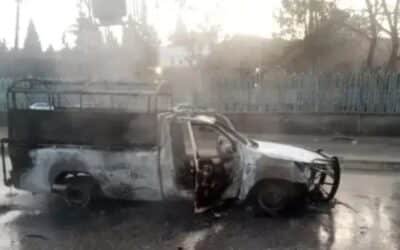
Speaker Sardar Ayaz Sadiq suspended the regular agenda to focus solely on the escalating security crisis, following attacks that claimed the lives of 10 policemen, one Levies personnel, six Frontier Corps soldiers, and 33 civilians. Defence Minister Khawaja Asif informed the House that security forces had eliminated 177 terrorists in swift follow-up operations.
قومی اسمبلی کے اجلاس میں وفاقی وزیر برائے دفاع خواجہ محمد آصف کا ملک خصوصاً بلوچستان میں امن و امان کی صورتحال کے حوالے سے اظہارِ خیال#NASession @KhawajaMAsif https://t.co/DdqVUnObjg pic.twitter.com/kfPNrRDYk8
— National Assembly 🇵🇰 (@NAofPakistan) February 2, 2026
Key Highlights
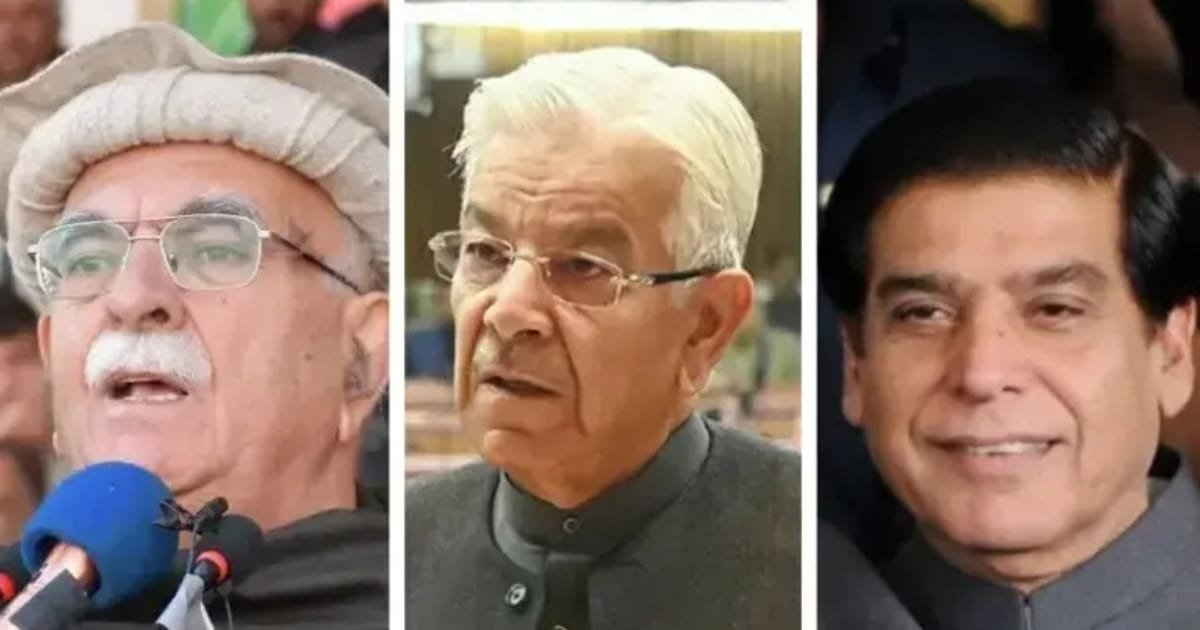
- Khawaja Asif rejected the deprivation narrative as exploited by India-backed BLA to mislead Baloch youth, citing massive development since 1947 (from 114 schools to 1,596, zero universities to 12, plus numerous medical colleges, hospitals, and health units).
- Leader of the Opposition Mahmood Khan Achakzai condemned the killing of innocent labourers, teachers, and non-locals as “inhuman” but insisted unjust resource distribution fuels terrorism; urged giving locals first right over provincial wealth to end the cycle.
- PPP’s Raja Pervez Ashraf warned against politicising national security or targeting institutions, calling for all parties to rise above partisanship and form committees for concrete recommendations on Balochistan’s stability.
- Achakzai and Barrister Gohar demanded a two-day marathon debate on terrorism and called for incarcerated PTI founder Imran Khan’s release and medical access amid health concerns.
- Senate separately adopted a resolution strongly condemning the terror acts.
You May Like To Read: PPP Hails Justice Mazhar’s Opinion: A “Final Truth” in the Bhutto Case
Calls for Decisive Action and National Consensus
The defence minister stressed that political polarisation and fragmented narratives only serve militants and hostile foreign actors, urging lawmakers to stand united on security matters. He highlighted the heavy price civilians and forces continue to pay for past policy choices, while emphasising that backwardness cannot justify war against the state.
Achakzai pushed back on official figures, claiming intelligence failures allowed the attacks and that addressing genuine grievances — not military action alone — would defeat terrorism swiftly. Ashraf echoed the need for consensus, warning that internal confrontations damage morale and invite exploitation by neighbours.
قومی اسمبلی کے اجلاس میں قائد حزب اختلاف محمود خان اچکزئی کا اظہارِ خیال
(Part-2)#NASession@MKAchakzaiPKMAP pic.twitter.com/M6TIo4vKzu— National Assembly 🇵🇰 (@NAofPakistan) February 2, 2026
Despite sharp exchanges, the session reflected a shared recognition: terrorism threatens every Pakistani, and only collective resolve can protect lives and sovereignty.
What’s Next for Balochistan Debate
The House’s willingness to prioritise national security over routine business signals growing awareness of the crisis’s urgency. With proposals for extended debates, committees, and unified strategies on the table, all eyes are on whether this rare bipartisan moment translates into decisive, coordinated action to restore peace in Balochistan and safeguard the federation.
You May Like To Read: Altaf Hussain Admitted to London Hospital Amid Deteriorating Health