

ISLAMABAD– Global oil prices jumped over 4% on Monday after renewed military strikes by the US and Iran directly threatened oil shipments through the crucial Strait of Hormuz. The global energy shock is already hitting Pakistan, where recent domestic fuel hikes are threatening to worsen inflation and strain the country’s import bill.
Brent crude futures climbed $3.10 (4.08%) to reach $79.11 a barrel, while US West Texas Intermediate (WTI) crude rose $2.95 (4.11%) to settle at $74.36. The spike followed a fresh wave of precision airstrikes by US Centcom forces against targets in Iran. In response, Iran’s Revolutionary Guards announced retaliatory strikes on US military bases in Kuwait and Bahrain.
Oil Prices Surge Near $80 A Barrel As US-Iran Strikes Raise Strait of Hormuz Fears
FIND MORE: https://t.co/PIwSJmyVKK#Oil #Prices #80Dollar #Barrel #USIran #Strikes #Raise #StraitofHormuz #Fears #Islamabad #TTI pic.twitter.com/kMFhGwRjbY
— The Truth International (@ttimagazine) July 13, 2026
With ship-tracking data showing that only six vessels transited the Strait of Hormuz over the weekend — the lowest in five weeks — the fragile interim truce signed last month now faces a near-total collapse.
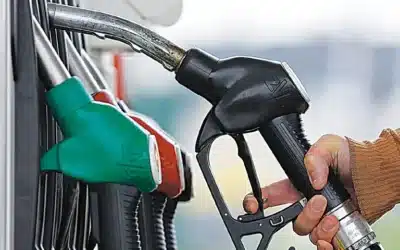
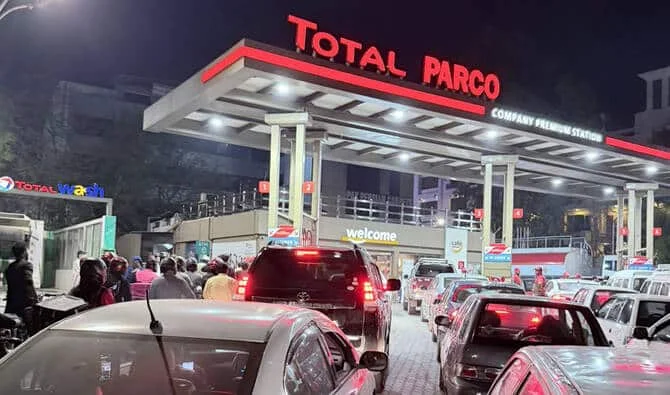
Because Pakistan sources over 90% of its crude oil from the Persian Gulf, these global shipping disruptions translate almost instantly into pain for local consumers. Just days before this latest global surge, the federal government had already raised domestic fuel prices by over Rs. 13 per litre. This new international spike is expected to force even higher revisions in the upcoming pricing cycle.
Petrol now stands at Rs. 310.71 per litre while high-speed diesel (HSD) is at Rs. 323.30 per litre. Economic analysts warn that a diesel price above Rs. 323 will immediately push up the cost of transporting food, milk, and basic commodities across the country.
According to a fiscal risk analysis by the Pakistan Institute of Development Economics (PIDE), a prolonged conflict in the Gulf region poses severe structural threats to the country’s ongoing economic stabilization. Petroleum imports make up the largest chunk of Pakistan’s import bill, and higher international rates will drain foreign exchange reserves while putting heavy downward pressure on the rupee.
The government currently relies heavily on petroleum levies to generate revenue. If global prices stay high, it will face a difficult choice between absorbing the shock or passing the full cost to citizens. While oil prices have not yet reached the extreme peaks seen earlier this year, this latest flare-up has shattered hopes for a quick resolution. For Pakistan’s import-dependent economy, continued instability in the Strait of Hormuz means a prolonged battle against inflation.