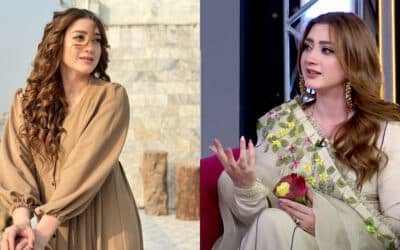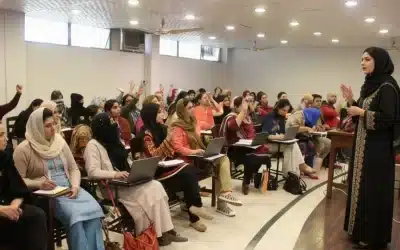



On January 17, 2026, the Pakistan National Council of the Arts (PNCA) in Islamabad officially launched a two-day immersion into the world of South Asian movement. Led by acclaimed performer and instructor Fatima Amjed, the Semi-Classical Dance Workshop provided a unique space for participants to explore the intersection of traditional technique and modern storytelling.
Movement and Technique
The workshop was specifically designed for beginners, focusing on the “rhythm and flow” that defines semi-classical dance. Amjed, a graduate of the National College of Arts (NCA), guided the group through the delicate balance of Abhinaya (facial expressions) and coordinated footwork. The sessions aimed to build both physical coordination and the inner confidence required for expressive performance. Key focus areas included:
Narrative Expression: Translating emotions into fluid hand gestures (Mudras).
Rhythmic Precision: Mastering the fundamental timing of South Asian dance.
Inclusivity: Creating an accessible environment for participants aged 12 and above.
View this post on Instagram
The Visual Identity of the Craft
A distinctive feature of the workshop was its symbolic dress code, which unified the participants’ energy across the two days:
Day 1 (Jan 17): White Eastern wear, representing a blank canvas and the purity of the learning process.
Day 2 (Jan 18): Red Eastern wear, symbolizing the passion and vitality of the performing arts.
View this post on Instagram
Bridging Television and Tradition
The event’s popularity was further fueled by Fatima Amjed’s recent rise in mainstream media. Widely recognized for her role as Madiha in the hit drama Main Manto Nahi Hoon, Amjed has become a prominent advocate for the performing arts. By hosting this workshop at a premier national institution like the PNCA, she continues to bridge the gap between high-profile television success and the preservation of Pakistan’s intangible cultural heritage.
You May Like To Read: A Sudden Shift: The Controversial Time Jump in Kafeel