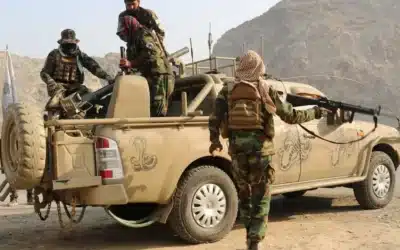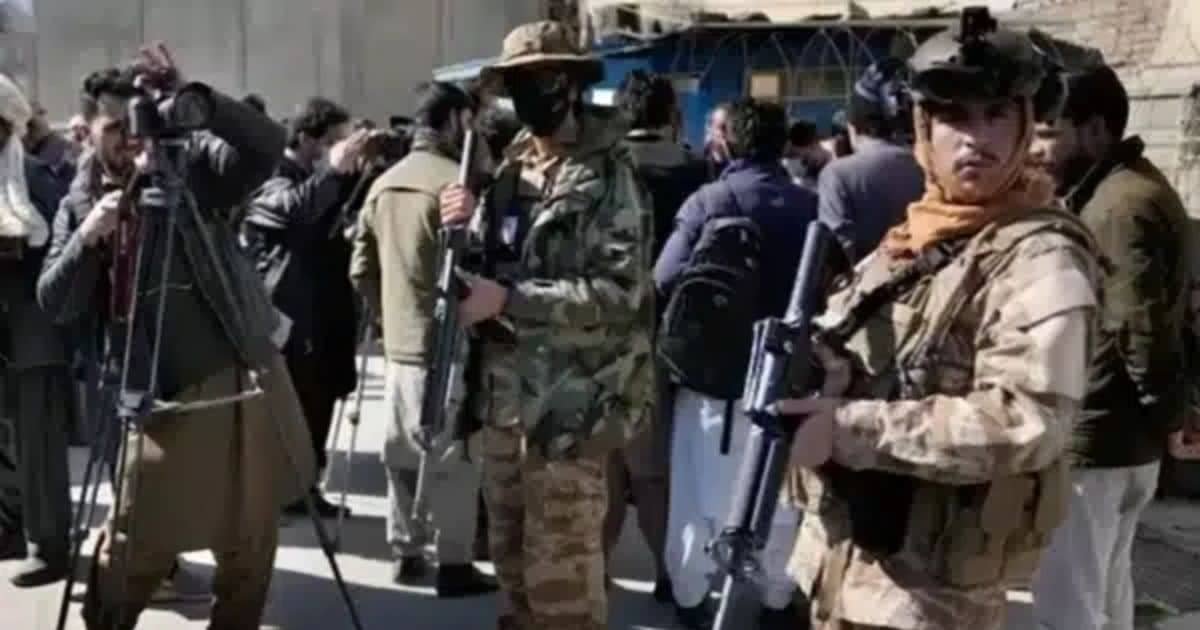





In a desperate move to control the narrative following a string of military failures, the Afghan Taliban regime has imposed severe new restrictions on local media. The blackout is widely seen as an attempt to cover up the “humiliation” suffered at the hands of the Pakistan Armed Forces during the ongoing Operation Ghazab-lil-Haq, which has successfully targeted numerous militant strongholds inside Afghanistan.
Amo TV Reports Targeted Warnings to Journalists
According to the Afghan media outlet Amo TV, the Taliban leadership has intensified its campaign of censorship and intimidation against local journalists. Reporters have been explicitly warned against broadcasting any news related to attacks on Taliban military installations or the destruction of their bases.
The directive prohibits media houses from disclosing:
- Strike Locations: Identifying where Pakistani aircraft or drones have hit targets.
- Casualty Figures: Reporting on the number of Taliban fighters neutralized.
- Infrastructure Damage: Showing footage of destroyed camps or captured border posts.
Censorship Exposes Presence of Terrorist Hideouts
Defense experts argue that the ban on reporting specific strike locations is a tactical move to prevent the world from seeing the clear link between the Taliban regime and protected terrorist hideouts. By barring journalists from visiting sites hit by Pakistan’s counter-attacks, the regime hopes to maintain a “shroud of secrecy” over the safe havens it provides to groups like Fitna al-Khawarij (TTP).
“The Taliban’s sudden fear of the camera is the greatest proof of Pakistan’s success. You don’t hide your bases unless they are being systematically dismantled.” — Regional Security Analyst.
The hypocrisy of the regime is further highlighted by its selective reporting; while it promotes its own aggressive rhetoric, it suppresses any evidence of the retaliatory precision strikes that have crippled its operational capacity along the Durand Line.
Thanks to the intelligence and determination of the Pakistan Army, the Khawarij terrorists are being exposed everywhere.
The operations of the Pakistan Army are a guarantee of peace in the region.
Our brave soldiers deserve our salute!#Afghanistan pic.twitter.com/O1ikHhSx5I— Jahanzaib (@jahannzaib_) March 6, 2026
Pakistan Maintains Pressure on Militant Strongholds
While the Taliban attempts to blindfold the press, the Pakistan military continues its intelligence-based operations. Officials in Islamabad maintain that the strikes are a direct consequence of the Taliban’s failure to prevent Afghan soil from being used for cross-border terrorism.
Key aspects of the current media landscape in Afghanistan:
- Intimidation: Journalists face detention for “violating national security” if they report on Pakistani gains.
- Information Vacuum: Local populations are being kept in the dark about the proximity of military clashes.
- State Control: Only sanitized, Taliban-approved propaganda is permitted for broadcast.
Independent Verification of Damage
Despite the local media ban, international satellite monitoring and high-altitude drone reconnaissance continue to provide a clear picture of the damage. Independent defense monitors are expected to release comprehensive damage assessments of the targeted military installations by early next week, rendering the Taliban’s media blackout ineffective on the global stage.
You May Like To Read: