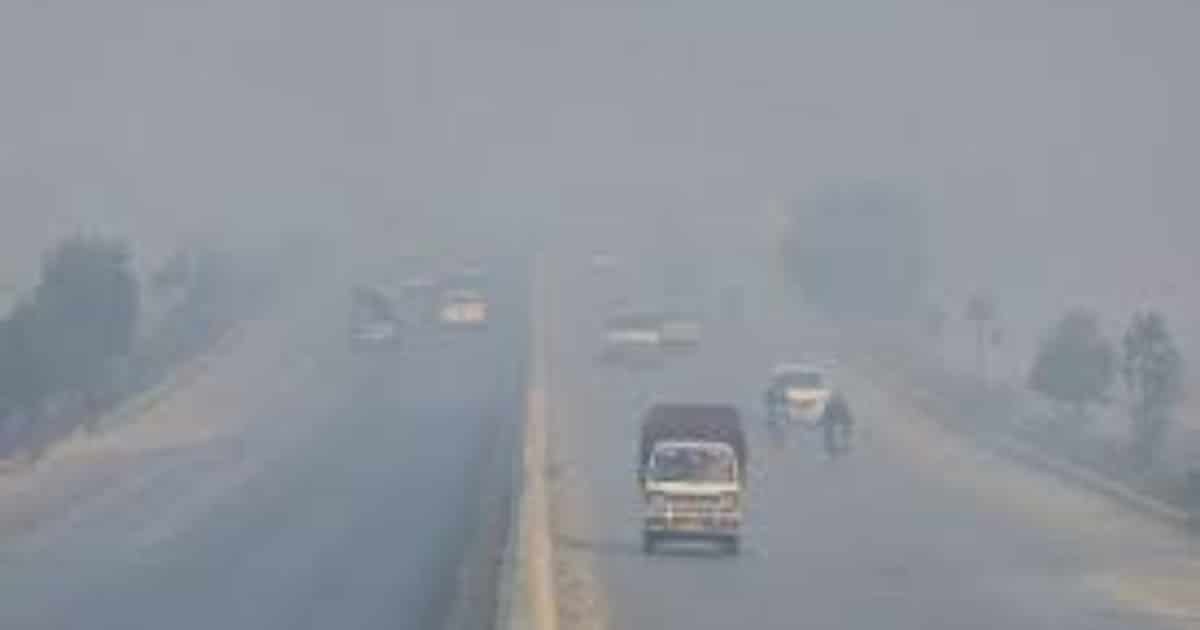





Islamabad, Pakistan — Pakistan was ranked the world’s most polluted country in 2025, with hazardous PM2.5 particle levels reaching up to 13 times higher than the World Health Organization’s recommended limit, according to the latest Global Air Quality Report released by Swiss firm IQAir on March 23, 2026.
The report found that Pakistan recorded dangerously high concentrations of fine particulate matter, making it the smoggiest nation globally for the year. Bangladesh and Tajikistan followed in second and third place, while only 13 countries and territories managed to meet the WHO standard of less than 5 micrograms per cubic metre. The findings highlight the serious air quality challenges facing Pakistan and the urgent need for coordinated efforts to protect public health.
According to the available data, Pakistan is ranked the most polluted country on our planet
Bangladesh and Tajikistan were second and third on the most polluted list.https://t.co/8saZzVyfOM
— Ahmad F Samin (@ahmadfsamin) March 24, 2026
Key Highlights
- Pakistan ranked the world’s most polluted country in 2025 with PM2.5 levels up to 13 times above WHO guidelines.
- Only 13 countries met the WHO safe air quality standard, down from previous years.
- India’s Loni and China’s Hotan topped the list of the world’s most polluted cities.
- 75 countries saw lower PM2.5 levels in 2025, but 54 recorded higher concentrations.
- Canadian wildfires and regional weather patterns influenced global pollution trends.
Serious Health and Environmental Concerns
The report paints a worrying picture for Pakistan, where millions of people, especially in major cities and industrial areas, are exposed to toxic air on a daily basis. High levels of PM2.5 can cause serious respiratory problems, heart disease, and other long-term health issues, particularly affecting children, the elderly, and those with pre-existing conditions. Environmental experts say rapid urbanization, vehicle emissions, industrial activity, and crop burning continue to worsen air quality across the country.
Pakistan has taken several steps in recent years to improve air quality, including stricter emission standards and tree plantation drives. However, the latest data shows that much more needs to be done. The government is expected to review the report and strengthen existing policies to reduce pollution and protect citizens’ health. Public awareness and community participation will also play a key role in tackling this growing challenge.
With focused efforts and collective responsibility, Pakistan can work toward better air quality and a more sustainable future.
You May Like To Read: Balochistan Government Appoints New Aide to Strengthen State Narrative
Check out our latest video: