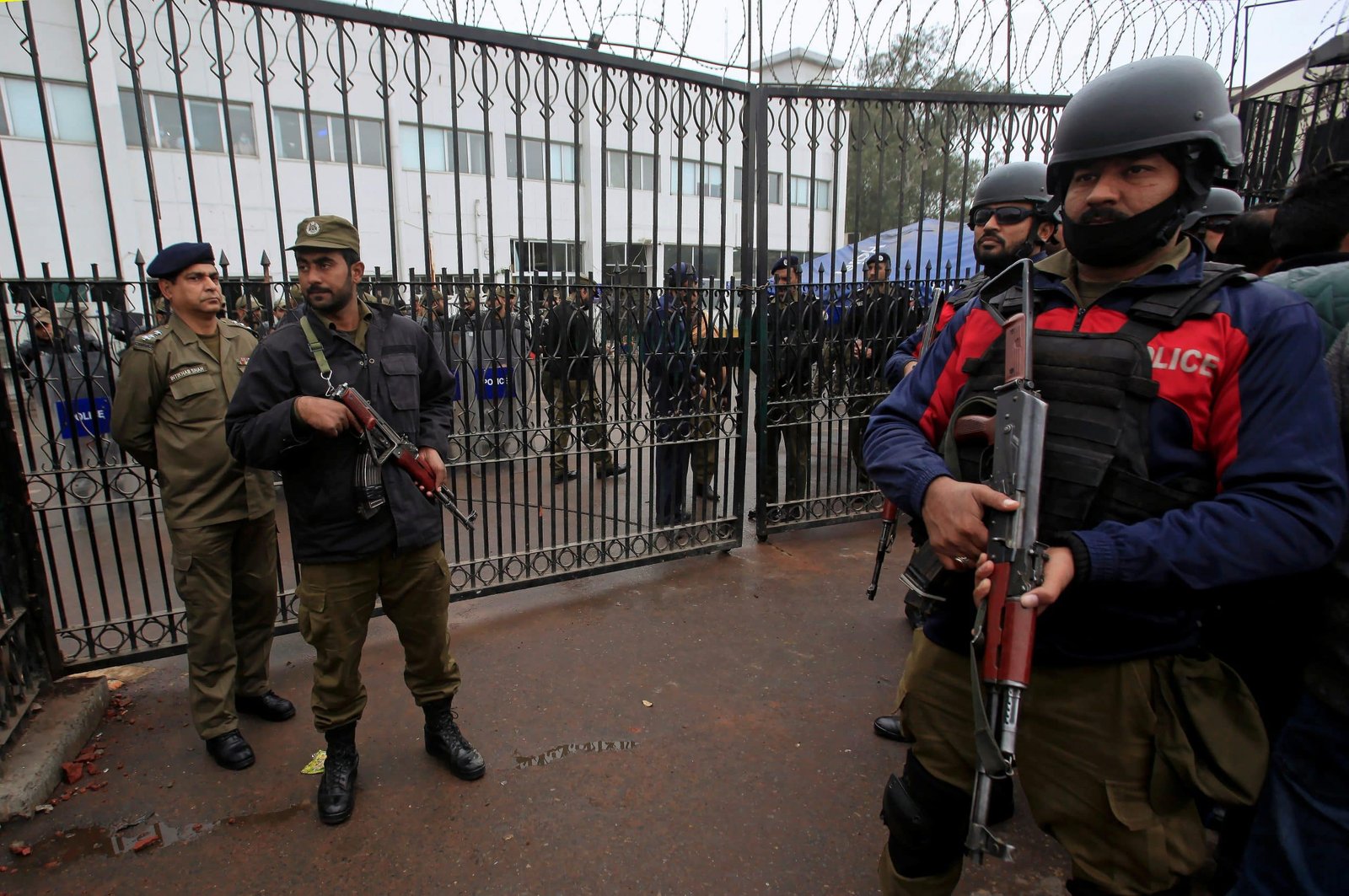



LAHORE — The federal government has initiated the development of the National Internal Security Policy 2026-30, a new five-year strategy aimed at centralizing police operations, integrating nationwide crime data, and enhancing interprovincial intelligence sharing. The Ministry of Interior has officially requested input from all provincial and regional police chiefs ahead of an extraordinary meeting of the National Police Management Board (NPMB) scheduled for later this month.
Key Highlights
- The proposed National Internal Security Policy 2026-30 focuses on centralized operations and choking terror financing.
- A new Counter-Terrorism Department (CTD) is proposed for development in Gilgit-Baltistan.
- National Police Bureau (NPB) and FIA Director General Dr. Usman Anwar will convene the upcoming NPMB reform meeting.
- Proposals include creating a National Criminal Record Access System to merge data across all provinces.
- Former officials suggest restructuring the NPB to act as a central “Police Headquarters” akin to the military’s GHQ.
The federal government has sought recommendations from police departments across the country for the National Internal Security Policy 2026-30. The proposed framework aims to improve coordination among #DialoguePakistan #Government #Police #Security #Policy pic.twitter.com/jfvrePk693
— Dialogue Pakistan (@DialoguePak) June 4, 2026
Addressing the Disconnect in Civil Law Enforcement
The National Police Bureau (NPB), led by FIA Director General Dr. Usman Anwar, is set to assume an expanded role in driving these nationwide reforms. Dr. Anwar highlighted a “serious disconnect” between various civil law enforcement agencies, noting the urgent need to establish a uniform mechanism across provinces. The policy aims to address emerging policing challenges by building direct collaborations with domestic and international intelligence networks to combat terrorism and choke terrorist financing.
Beyond data integration, the upcoming high-level meeting will deliberate on specific organizational improvements. These include functional police specialization, expanded women police networking, comprehensive training needs assessments, and standardizing regional firearms legislation through a dedicated steering committee.
Structural Reforms and Security Backing
The policy push follows high-level security engagements earlier this year, including a visit by the Chief of Defense Force Field Marshal Asim Munir to the National Police Academy, where he emphasized that a professional, people-centric police force is indispensable for the rule of law. The security establishment has reportedly extended full support to civil law enforcement agencies to fortify internal security.
To sustain these reforms, former NPB Director General Tariq Khosa recommended creating a centralized National Criminal Record Access System. He further proposed that the NPB be formally structured to function as a central command headquarters for the “Pakistan police,” backed by dedicated annual budgetary allocations to address long-standing structural fault lines in police administration.