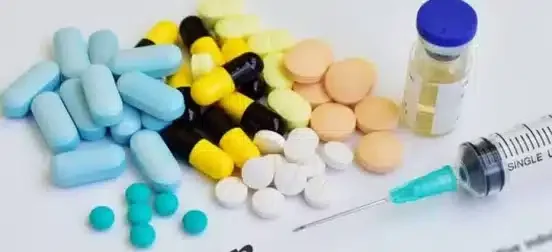



KARACHI — Despite successfully completing the Drug Regulatory Authority of Pakistan (Drap) registration process, approximately 40 innovative, life-saving medicines remain completely unavailable across local pharmacies. The bottleneck leaves thousands of patients battling advanced cancers, diabetes, and rare autoimmune disorders unable to access legal supplies because the federal cabinet has yet to issue official price notifications.
Without notified Maximum Retail Prices (MRPs), pharmaceutical companies cannot legally manufacture or import these therapies. Consequently, families are forced into unregulated black markets, relying on smuggled or improperly stored alternatives at exorbitant price points.
منظوری نہ ملنے کے باعث کینسر اور ذیابیطس سمیت کئی نئی رجسٹرڈ ادویات تاحال مارکیٹ میں دستیاب نہیںhttps://t.co/NvWI5SkQwF
— Geo News Urdu (@geonews_urdu) July 20, 2026
The Delayed Lifeline: Critical Missing Therapies
The pricing recommendations for these formulations were finalized by Drap’s Drug Pricing Committee and endorsed by its Policy Board between December 2024 and June 2025. Over a year later, the summaries remain pending before the Federal Cabinet and its relevant Cabinet Committee.
The stalled portfolio spans advanced oncology, intensive care, and specialized maternal health medicines:
| Medical Category | Specific Therapeutic Formulations Stalled | Primary Clinical Indication |
|---|---|---|
| Oncology & Immunotherapy | Keytruda (Pembrolizumab), Nivolumab | Advanced cancer and tumor therapies. |
| Endocrine & Autoimmune | Humador Insulin, Adalimumab | Severe diabetes, Rheumatoid Arthritis, Crohn’s disease. |
| Hematology & Cardiovascular | Recombinant Factor VIII, Dabigatran, Heparin | Hemophilia A management, blood-clot prevention. |
| Neurology & Critical Care | Carbidopa-Levodopa, Ketamine, Meropenem, Fosfomycin | Parkinson’s disease, emergency anesthesia, severe bacterial infections. |
| Maternal Health & ER | Methyldopa, Emergency Vaccines, Electrolyte Solutions | Hypertension during pregnancy, acute trauma, ICU care. |
Supply Chain Risks and Official Response
The Pakistan Chemists and Druggists Association (PCDA) expressed deep concern over the medical risks of the deadlock. PCDA Chairman Abdul Samad Buddani warned that pushing desperate families toward informal channels exposes vulnerable patients to counterfeit items or drugs degraded by broken cold-chain storage.
Echoing these concerns, the Pakistan Pharmaceutical Manufacturers Association (PPMA) urged the state to decouple initial price setting for new, innovative molecules from political debates over existing drug price hikes, noting that the delay penalizes early-access healthcare.
Federal Minister for National Health Services Syed Mustafa Kamal acknowledged the systemic gridlock but emphasized that progress is being made.
“The issue is not about increasing the prices of medicines already available in the market,” Minister Kamal clarified. “These are entirely new life-saving medicines that have been registered but cannot be sold until their prices are approved. The government wants to make quality-assured medicines available through legal means as soon as possible.”
While the ministry successfully cleared an initial batch of 35 new medicines earlier this year, health officials confirmed that the remaining 40 summaries must undergo final cabinet scrutiny before local drugstores can legally stock them.