




Green terrorism refers to environmental crimes. This includes illegal logging, mining, and trafficking. These ecological crimes have been used to fund criminal networks. Money earned through these means finances extremist groups. In Pakistan, environmental offences prove to be lucrative for militants. In addition, they destabilize government structures and amplify the ecological crisis. These issues are often overlooked due to institutional weakness or bureaucratic neglect. Thus, green terrorism becomes a fertile ground for systematic exploitation. This article explores how environmental crimes fuel terrorism in Pakistan.
You May Like To Read: The Role of Rangers in Securing Cities During National Celebrations
What Exactly are Environmental Crimes?
Source: Daily Times
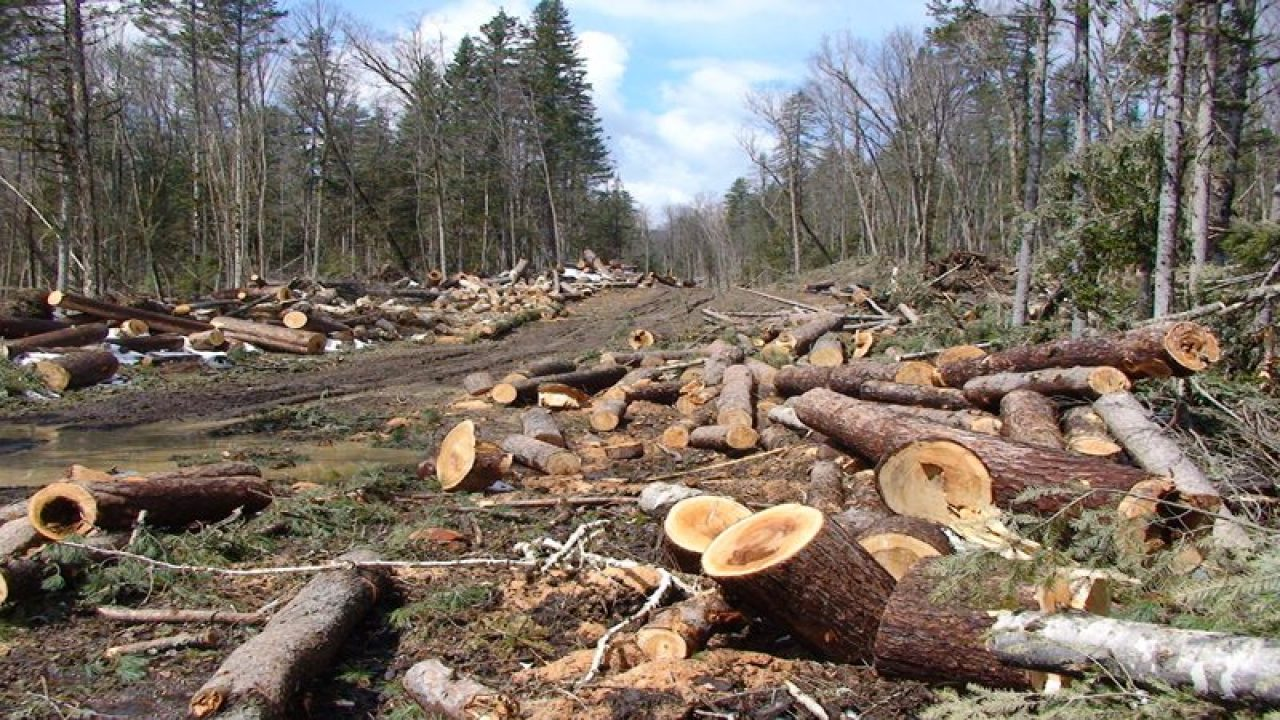
Environmental crimes or green terrorism include a wide range of illegal activities. These ecological offences rob the planet of a sustainable future. Green terrorism is a part of a larger crime syndicate. It is said to involve multinational companies and the mafia. Perpetrators rely heavily on the financial as well as the non-financial sector to launder their proceeds.
Environmental crimes are considered to be one of the most profitable criminal ventures in the world. It can generate approximately $110-281 billion each year. Waste tracking and illegal forestry and mining make up 66% of this figure. Green terrorism causes significant damage to the environment and financial loss. Public health, human security, and socio-economic development are also compromised.
How Green Terrorism Fuels Extremism?
The Financial Action Task Force (FATF), which is responsible for monitoring terror funding globally, released a report in 2021. It was titled, “Money Laundering from Environmental Crimes” and linked environmental crimes to broader criminal enterprises. This included human trafficking, corruption, and terrorism. This study was done to raise awareness about how ecological violations are being used for criminal gains.
Most countries have neglected the risks posed by green terrorism. This is despite environmental crimes being highly attractive to criminals. Since they are low risk but high reward, they prove to be a lucrative and safe venture. In most cases, criminals engage in more than one act of ecological exploitation. Their crimes are facilitated by cash couriers to offshore shell companies. These companies also enable the movement of products and a stable financial flow. They are able to get away with it because there is a lack of regulatory and legal framework in place. The FATF hopes to correct this issue. It also wants to ensure that countries prioritize the prevention of ecological crimes. Domestic policies in place could greatly combat the flow of funds to terrorist organizations.
Pakistan is collaborating with FATF to address the rampant issue of terrorist financing in the country. The recent report highlighted how illegal logging, land clearing, and mining contribute to money laundering. This has drawn governmental attention to environmental crimes. The State has realized that existing regulations are not sufficient. Dealing with ecological exploitation requires a dire re-assessment of the legal framework. According to Global Forest Watch, Pakistan lost 9.68 kilometer/hectare per annum of trees from 2001-2020. Deforestation and illegal logging have affected KPK the most. There are multiple news reports of illegal waste trafficking, with importers faking clearance certificates. The former also puts public health in jeopardy.
Another practice commonly seen across the country is trade-based money laundering (TBML). Environmental crime often involves raw materials. Trade-based fraud hides the flow of money across borders. This cleans the profits of crime through fake invoices for goods. Criminals may give hazardous waste a false description or misdescribe protected wood to hide its real value. Such tactics make it easier to smuggle goods across borders. Border control and customs are often unable to detect the difference. Regulatory bodies can identify this deficiency as an area that needs to be worked upon.

Source: Mongabay
Measures Taken by Pakistan
Being a developing country, environmental protection has not been Pakistan’s priority. However, given the ties between terrorism and green terrorism, this issue can not be overlooked any longer. Government measures to tackle the issue have not been proportionate to the risks. It is not enough to either identify or interrupt the problem. Pakistan did consider increasing the royalty offered for timber to locals in order to discourage them from doing business with the timber mafia. However, it struggled to complement it. The forest department found itself outmatched by the mafia in terms of resources. Also, to counter the challenges of global warming and deforestation, the KP government launched the Billion Trees Afforestation Project (BTAP) in 2014. The programe aims to enact a “Green Growth Initiative” in the Forestry Sector of KP. Nevertheless, while it attempts to reverse the problem, it does not tackle it.
Lack of financial investigations is another reason. While some laws do exist to counter ecological exploitation, they are insufficient. Laws and regulations need to be re-evaluated for weaknesses and re-implemented. Legal loopholes must be covered up. Bureaucratic corruption and bribery also need to be addressed. The threats posed by environmental crimes are not small and must be targeted efficiently.
Conclusion
Pakistan needs to create laws and regulations that align with FATF standards. Money laundering related to a specific environment should be made punishable. Clear and practical guidelines are required to help government departments, law enforcement agencies. Environmental protection bodies identify, investigate, and reduce potential risks. Achieving these goals will require strong coordination among law enforcement agencies in the country. It is equally important to recruit highly trained and skilled personnel. These professionals should apply modern investigative methods to detect and address environmental crimes in line with FATF standards.
You May Like To Read: The Shutting Down of Illegal Seminaries: Progress So Far