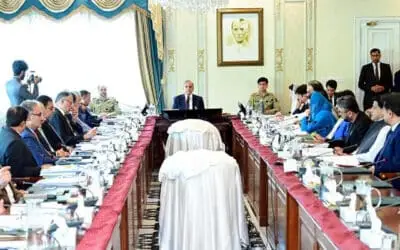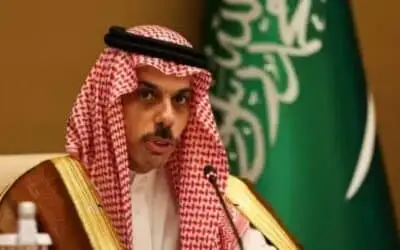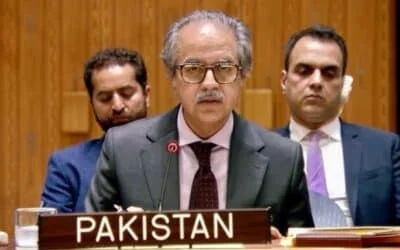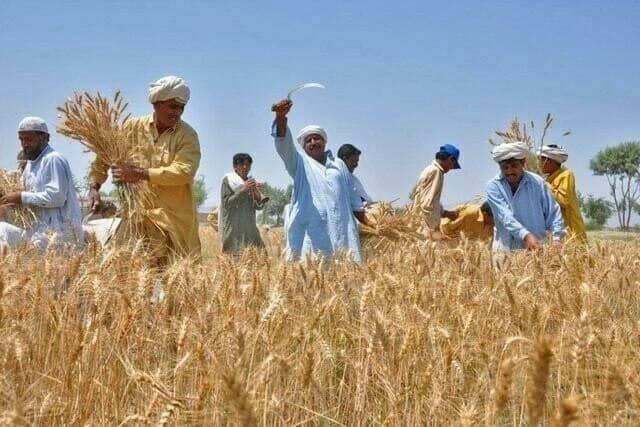




LAHORE — Punjab has secured abundant agricultural reserves this year after achieving a record-breaking wheat production of more than 22 million metric tonnes. Chairing a high-level administrative meeting in the provincial capital, Chief Minister Maryam Nawaz announced the historic milestone and approved the establishment of an artificial intelligence-based advanced live dashboard to safeguard every grain of wheat in the province. The digital intervention aims to revolutionize provincial food policymaking by providing real-time oversight of critical market variables. Government officials confirmed that both the overall cultivation area and total crop output expanded significantly during this cycle, driving robust domestic economic activity.
CM Maryam orders AI live dashboard as Punjab records 22m tonnes wheat output https://t.co/zrcDjuRgFL
— Pakistan Today (@ePakistanToday) May 21, 2026
Key Highlights
- Punjab achieved a record-breaking wheat production exceeding 22 million metric tonnes this year.
- Chief Minister Maryam Nawaz approved an AI-powered live dashboard to track grain supplies.
- Licensed stockists are legally permitted to store wheat but must declare their exact stocks.
- The government gave a strict two-week deadline before launching anti-hoarding crackdowns.
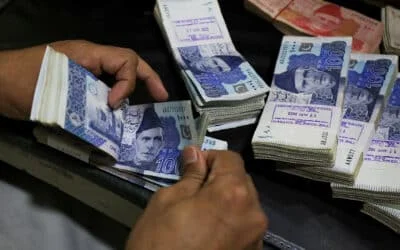
- Total wheat-related trade in the province surpassed the Rs100 billion threshold.
- Government Tightens Anti-Hoarding Laws to Stabilize Market Prices
The newly approved AI dashboard will play a pivotal role in maintaining market stability by conducting day-to-day digital monitoring of wheat demand, supply, stock levels, and price control mechanisms across Punjab. To streamline supply chain logistics, the meeting approved a policy allowing licensed aggregators and stockists to legally store wheat, provided they formally declare their holdings. Chief Minister Maryam Nawaz directed authorities to initiate uncompromising legal action under the Anti-Hoarding Act against any traders who fail to declare their reserves within a strict two-week grace period. Conversely, the government plans to offer special incentives to aggregators who honestly comply with the disclosure mandates.
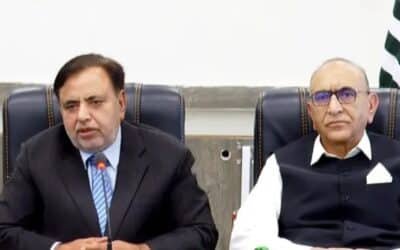
As part of a broader structural shakeup, the chief minister ordered a complete overhaul and revamping of the provincial food department to align it with modern digital governance requirements. District administrative officials were strictly directed to keep local market prices for roti and naan under tight control, ensuring that affordable flour remains accessible to the general public. Separately, Punjab Information Minister Azma Bokhari briefed the press on the economic impact of the harvest, revealing that wheat-related trade has already exceeded Rs100 billion. Bokhari added that farmers received excellent returns for their yields, reflecting a highly successful agricultural season that has significantly elevated the province’s economic standing.