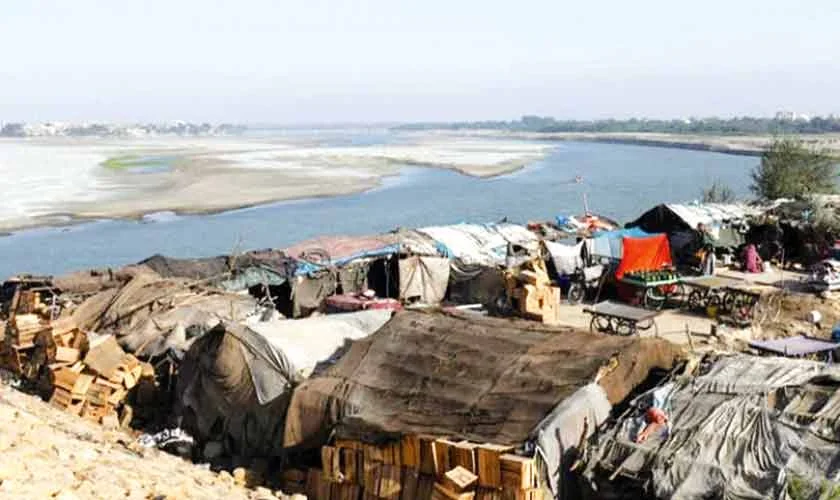




ISLAMABAD — Pakistan’s national poverty rate has surged by seven percent over the last six years, trapping an additional 27 million people in financial distress. According to the newly launched Pakistan Economic Survey for the outgoing fiscal year, the total number of impoverished citizens has reached 70 million as macroeconomic shocks take a heavy toll on household welfare.
Key Highlights
- National poverty escalated from 21.9 percent in 2018-19 to 28.9 percent, leaving 70 million people impoverished.
- Rural communities remain the hardest hit, with poverty within those sectors jumping from 28.2 percent to 36.2 percent.
- Balochistan recorded the highest provincial poverty incidence at 47 percent, while Punjab remained the lowest at 23.3 percent.
- Economic distress is attributed to historic inflation, currency depreciation, IMF stabilization reforms, and climate catastrophes.
- Wealth disparity widened significantly, as evidenced by a rising national Gini coefficient.
The survey says high inflation, floods, COVID-19 aftereffects and economic adjustments have continued to squeeze households. It also notes Rs722.5 billion was allocated to BISP.
— ProPakistani (@ProPakistaniPK) June 11, 2026
Deepening Regional and Rural Vulnerabilities
The survey figures, calculated using the standard Cost of Basic Needs (CBN) framework, highlight a stark rural-urban divide. Over the six-year monitoring period, urban poverty climbed from 11 percent to 17.4 percent. Meanwhile, rural poverty experienced a more severe spike, expanding to 36.2 percent and reflecting the vulnerability of agricultural livelihoods to recent economic shifts.
Provincial data demonstrates that economic distress has intensified across all administrative units. Balochistan maintains the highest poverty concentration, climbing from 41.8 percent to 47 percent. In contrast, Punjab recorded the lowest percentage at 23.3 percent, despite suffering a significant rise from its previous 16.5 percent baseline. Sindh and Khyber Pakhtunkhwa posted poverty rates of 32.6 percent and 35.3 percent, respectively.
Compounding Shocks and Rising Inequality
Economic analysts link the severe downturn directly to a series of compounding domestic and international disruptions. Prolonged high inflation and steep currency depreciation drastically eroded public purchasing power. These internal pressures were further exacerbated by strict IMF-mandated stabilization measures, severe regional climate events like floods, and global trade frictions stemming from conflicts in the Middle East.
This widespread contraction in household security has also driven up national income inequality. The country’s Gini coefficient—a metric where higher numbers indicate larger wealth gaps—rose from 28.4 to 32.7. Sindh emerged with the most severe disparities, posting a provincial Gini coefficient of 35.9. The data confirms that as millions of families dropped below the minimum expenditure threshold required for food and basic necessities, the gap between the country’s economic strata widened significantly.