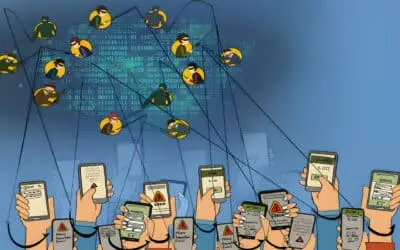





The internet is part of today’s battle space. False news, doctored audio, and fake pages can harm people and the state. Pakistan must defend its “infoscape.” Two tools lead the defence: the Prevention of Electronic Crimes Act (PECA) and the Pakistan Telecommunication Authority (PTA). These laws and bodies try to stop online crime and disinformation. They also protect citizens and institutions.
PECA is Pakistan’s main law for online crimes. It came into force in 2016. The law covers hacking, identity theft, cyberstalking, and the spread of false or harmful content. It also covers attacks on national security done online. If a person creates a fake audio to damage a leader, PECA can be used to punish them. PECA gives investigators the power to trace where posts came from and who made them. It also allows courts to fine or jail those who break the law.
In one case, investigators used PECA to probe a doctored audio clip that tried to harm public trust. Forensic work showed the clip was fake. Authorities used the law to move quickly and stop further spread.
What does PTA do?
PTA is the regulator for telecom and internet services. It can block harmful sites and remove fake pages. PTA also works with social media companies to take down content that breaks the law. In 2022, PTA blocked more than 1,200 URLs that pushed false election updates. Many pages pretended to be official. PTA acted to stop panic and wrong votes.
PTA also warns the public about scams. It shares advice on how to spot fake posts and how to report suspicious links. This helps people and businesses stay safer online.
Legal Gaps and New Threats
PECA and PTA are strong tools. But the digital world changes fast. New tactics now include bot armies, deepfake videos, and servers that hide abroad. Finding the true source of an attack can take a long time. If the origin is outside Pakistan, legal action may be slow or hard.
Rights groups note another gap. PECA handles crimes by individuals. It is less suited to fight well-organised influence campaigns run by many actors. Large, coordinated propaganda networks need special rules and fast global cooperation. The Human Rights Commission of Pakistan has raised such concerns.
High‑profile Examples
Pakistan has faced several big online attacks. These show both the danger and the need for quick law and tech action.
• Fake military memos. In 2020, forged documents claimed the army planned to remove elected leaders. The posts caused alarm. PECA teams traced the origin and found links to foreign accounts. The matter was handled as a national security risk.
• COVID‑19 lies. During the pandemic, false claims about vaccines and cures spread fast on Facebook and WhatsApp. PTA worked with health authorities and the World Health Organization to remove fake posts and push correct information. That helped reduce panic.
• Election rumours. In the 2018 and 2024 elections, fake reports said polling stations had closed or ballot boxes were missing. Fact‑checkers proved these claims false. PECA investigations traced many posts to organised networks aiming to stop people from voting.
These cases show how false content can harm security, health, and democracy.
Freedom vs Security: the Hard Balance
Regulation must protect both safety and free speech. Too few rules let hostile actors use the net as a weapon. Too many rules can be used to silence critics. Free speech groups warn against broad powers that can be misused. The courts and lawmakers must make sure any action is fair and just. The Supreme Court has said rules must be proportionate. They must stop harm while keeping a healthy debate.
You May Like To Read: Language and Identity: How Cultural Nuances Amplify Disinformation (IW12)
Suggested Reforms
Experts suggest updates to help Pakistan face new digital threats:
- A special law for organised information warfare. This law would target large networks and foreign‑based campaigns.
- Faster cross‑border cooperation. Pakistan should sign more fast‑track pacts to take down content hosted abroad.
- Clear judicial oversight. Judges should review content takedown orders to avoid misuse.
- Regular transparency reports. PTA and PECA teams should publish why the content is blocked and who asked for it.
- More digital forensics labs. Quick tech checks stop lies from going viral.
These steps would help protect both citizens and their rights.
The Role of Fact‑checkers and Media
Laws alone are not enough. Fact‑checking groups do fast work. They trace images, check dates, and expose fakes. Groups like Soch Fact‑Check and AFP Fact Check help to calm the public by giving verified answers. These groups teach journalists and citizens to question viral claims.
Fact‑checkers often work with newsrooms and police. When they catch a fake, their correction can stop panic and restore trust.
Working together: State and Society
Defending the infoscape needs a team effort. PTA and PECA must work with schools, newsrooms, tech firms, and NGOs. The Ministry of IT has run awareness campaigns with local influencers to show people how to report fake news. These programs teach simple steps to flag harmful posts. When the public knows what to do, false stories lose their power.
You May Like To Read: Truth Under Siege: The Role of Journalism, Fact-Checking, and Ethical Media(IW13)
Law as a Shield, not a Sword
Regulating the infoscape is about safety and truth. PECA and PTA are Pakistan’s main shields. They must be fair, fast, and smart. New laws and better tech will help. So will strong courts, open reports, and public training.
A modern legal framework, plus active fact‑checking and citizen awareness, can protect both freedom and security. In a digital age, truth and trust are vital. Pakistan can keep both by using the law wisely and by teaching the public how to spot lies. When people know the facts, the power of online falsehoods shrinks.