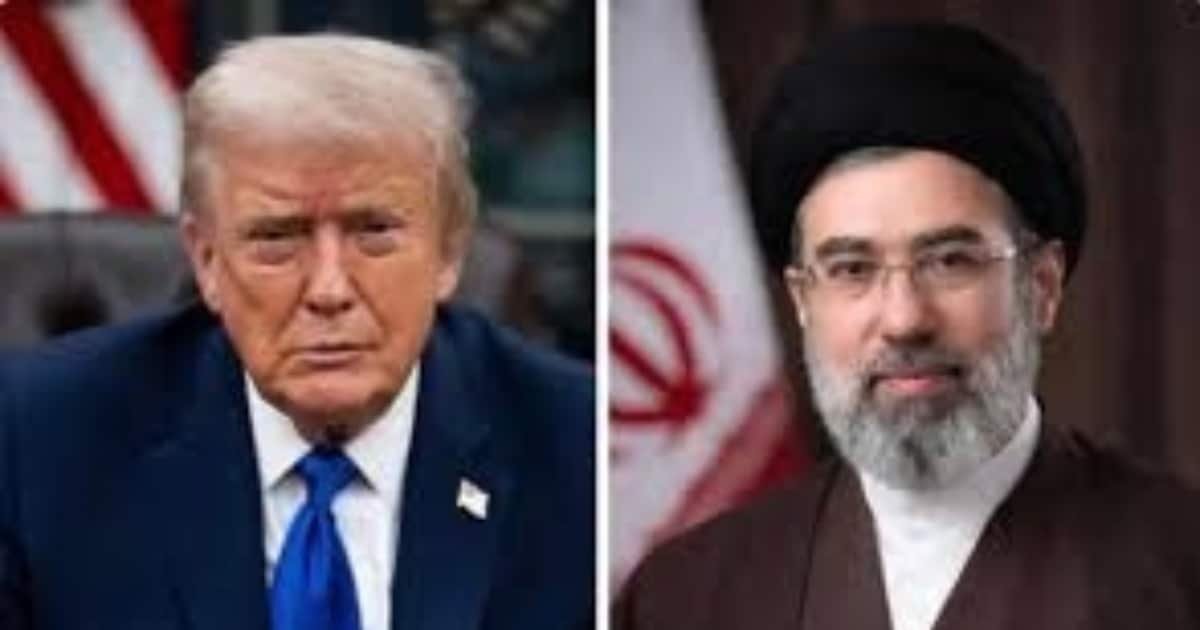



ISLAMABAD — As the world turns its gaze toward the Pakistani capital for the April 10 peace summit, the diplomatic “battle lines” have been drawn between two sharply contrasting frameworks for ending the Gulf War. While the ceasefire has provided immediate relief to global energy markets, the upcoming negotiations will pit Washington’s 15-point “Maximum Security” framework against Tehran’s 10-point “Sovereignty & Restitution” proposal.
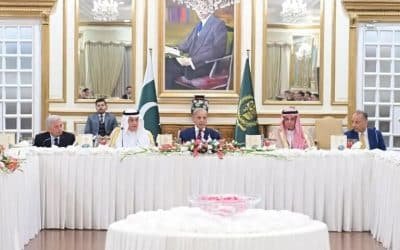
The talks, hosted by Prime Minister Shehbaz Sharif and Field Marshal Asim Munir, aim to reconcile these two documents into a single, binding peace treaty.
I had a warm and substantive conversation with President Masoud Pezeshkian of Iran, this afternoon.
I conveyed my deep appreciation for the wisdom and sagacity of the Iranian leadership in accepting Pakistan’s offer to host peace talks in Islamabad later this week to work…
— Shehbaz Sharif (@CMShehbaz) April 8, 2026
The Diplomatic Tug-of-War
| Feature | U.S. 15-Point Proposal | Iran 10-Point Proposal |
| Nuclear Stance | Dismantling of facilities (Natanz, Fordow) and a permanent end to enrichment. | Acceptance of uranium enrichment as a sovereign right for peaceful use. |
| Strait of Hormuz | “Complete, Immediate, and Safe Opening” for unrestricted global trade. | “Controlled Passage” overseen by Iran’s Armed Forces via a new transit protocol. |
| Sanctions | Conditional lifting of nuclear-related sanctions after verification. | Immediate removal of all primary/secondary sanctions and unfreezing of assets. |
| Military Presence | Preservation of regional bases to ensure “Freedom of Navigation.” | Total withdrawal of all U.S. combat forces from regional bases and West Asia. |
| Regional Allies | End of Iranian support for armed groups (Hezbollah, Houthis). | Extension of ceasefire to all allies; end of attacks on the “Axis of Resistance.” |
| Restitution | No mention of reparations; focus on civilian energy support. | Full payment of war damages and creation of a financial compensation fund. |
Tehran’s 10-Point ‘Red Lines’
The Iranian delegation, acting under the guidance of Supreme Leader Ayatollah Mojtaba Khamenei, enters the talks with a focus on reversing the economic damage of the five-week war. Their proposal demands that any agreement be ratified through a binding UN Security Council resolution, effectively making U.S. compliance a matter of international law.
Tehran’s insistence on “controlled passage” through the Strait of Hormuz remains their strongest leverage, as they claim at least part-control over the waterway that carries 20% of the world’s oil.
.@antonioguterres welcomes the announcement of a two-week ceasefire by the United States and Iran. He expresses sincere appreciation for the efforts of Pakistan and other countries involved in facilitating the ceasefire.
Full statement: https://t.co/5ZsOGcbIj5— UN Spokesperson (@UN_Spokesperson) April 8, 2026
Washington’s 15-Point ‘Security Shield’
President Donald Trump has described Iran’s proposal as a “workable basis,” yet his own 15-point plan remains rooted in long-standing U.S. security objectives. The American strategy focuses on a 30-day monitoring period (expanding the current two-week truce) and the “denuclearization” of the Iranian state.
White House officials have hinted that while the U.S. is willing to support a civilian nuclear program for Iran, it will not concede on the “right to enrich” if it leads to weaponization.
The ‘Islamabad Bridge’: A High-Stakes Balancing Act
The role of Pakistani mediators will be to find the “middle path” between these divergent demands.
-
The Hormuz Compromise: Negotiators are reportedly looking at a “Joint Maritime Safety Commission” to manage the Strait, blending Iran’s demand for oversight with the U.S. demand for freedom of navigation.
-
The Enrichment Bridge: A possible solution involving the transfer of enriched materials to the IAEA (as per the U.S. plan) in exchange for the recognition of “peaceful research” (as per the Iranian plan).
As delegations from the U.S. (potentially including Special Envoy Steve Witkoff and Jared Kushner) and Iran arrive on Friday, the “Islamabad Venue” stands as the only thing preventing a return to the “civilizational” threats of earlier this week.
You May Like To Read: President Pezeshkian Formally Accepts ‘Islamabad Venue’ for Historic US-Iran Peace Talks
Check out our latest video: