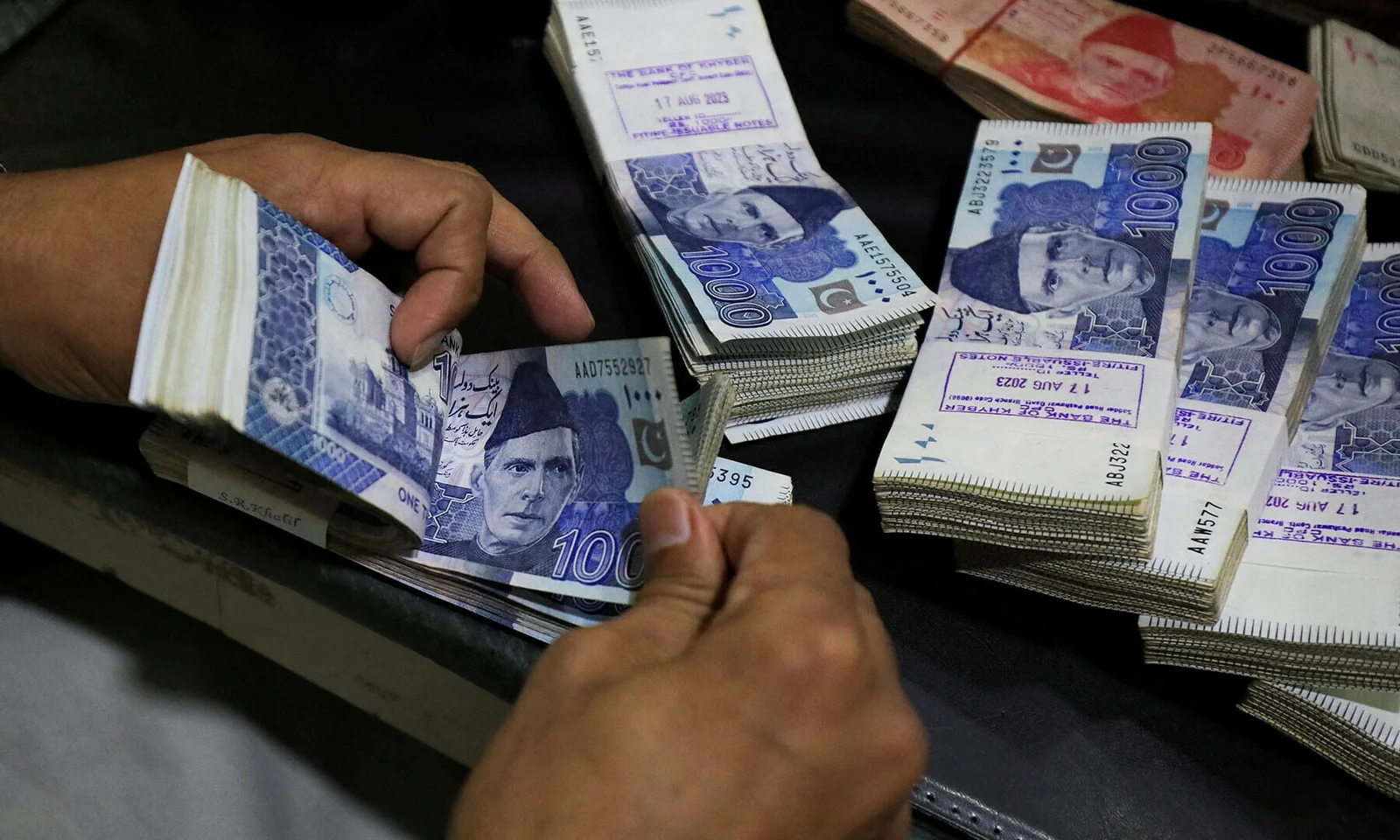





ISLAMABAD — Despite the federal government’s public declarations of fiscal discipline and strict austerity, Finance Minister Muhammad Aurangzeb has requested post-facto parliamentary regularization for a record Rs 3.684 trillion in supplementary grants. The massive volume of unsanctioned spending and fund re-appropriation raises major structural questions regarding the validity of the state’s budgetary estimation processes.
Key Highlights
- Parliament is asked to regularize Rs 3.684 trillion in excess spending—over four times the Rs 895 billion cleared last year.
- Debt servicing, power sector bailouts, and unbudgeted subsidies represent the largest drivers of the fiscal overrun.
- More than Rs 3.2 trillion of the total overrun dates back to late fluctuations in the 2024–25 fiscal cycle.
- Overspending occurred across critical ministries, including Defence, Federal Education, and National Health Services.
- Because the funds have already been spent, parliament cannot legally vote to reject the regularizations.
Massive Surpluses in Debt Servicing and Energy Outlays
According to budget documents submitted to the legislature, the finance ministry is seeking legal cover under Articles 80 to 84 of the Constitution for outlays that exceeded initial parliamentary approvals. The vast majority of the overspending—exceeding Rs 3.2 trillion—stems from the tail-end of the 2024–25 fiscal year. This includes an immense Rs 2.6 trillion in unsanctioned debt servicing costs, alongside Rs 430 billion injected into the struggling power sector to handle circular debt pressures.
Parliament is being asked to approve Rs. 3.684 trillion in spending that went beyond budget limits, even as the government continues to stress austerity and fiscal discipline. 🧵 pic.twitter.com/WLTChvA0uW
— ProPakistani (@ProPakistaniPK) June 16, 2026
For the current fiscal year, supplementary grants totaled Rs 485 billion. This operational overrun was led by Rs 112 billion directed to the power sector—including equity injections into distribution companies—and Rs 127.5 billion dedicated to unbudgeted grants and subsidies. Since these expenditures are classified as charged outlays from the Federal Consolidated Fund, they are presented to the assembly essentially as a fait accompli for information rather than dynamic voting.
Security Allocations and Specialized Portfolios
Beyond basic macro-adjustments, multiple ministries drew significantly from the national treasury without prior legal sanction. The Defence Division consumed an extra Rs 34 billion for border fencing along the Pak-Iran frontier, helicopter maintenance, and internal security setups. Meanwhile, federal education required Rs 57 billion—the bulk of which funded regional education trusts and university bailouts—and national health required Rs 30 billion for provincial vaccine procurement.
Major Overruns Requiring Regularization (Rs Trillion)
• Debt Servicing (Late FY25): 2.600
• Power Sector Subsidies (Late FY25): 0.430
• Power Sector Injections (FY26): 0.112
• Unbudgeted Grants & Subsidies (FY26): 0.127
• Defence & Internal Security (Combined): 0.057
In an ironic twist, budget documents revealed that a supplementary grant of Rs 127.4 billion was utilized for the Prime Minister’s Austerity Fund itself. Additionally, the government authorized significant mid-year adjustments for state media entities, including Rs 11 billion for PTV tariff adjustments, alongside Rs 22 billion for the Ramazan relief package and Rs 7 billion for localized lawmaker development schemes.