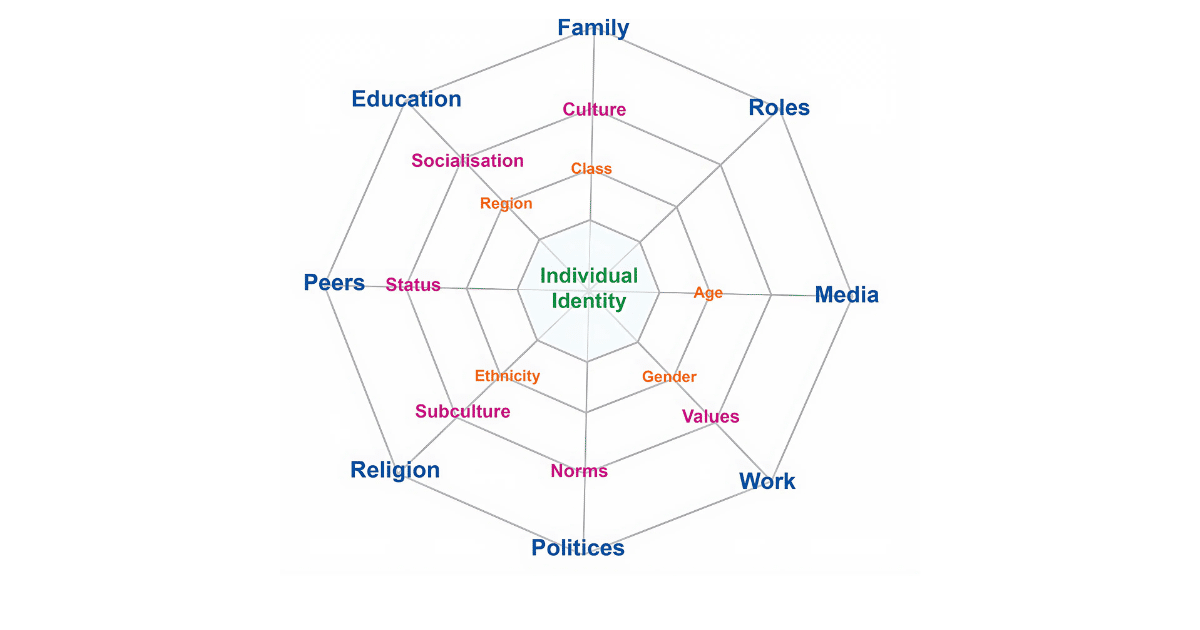


Language is more than a tool for speaking; it is part of our identity. In Pakistan, it carries deep emotions and cultural pride. With over 70 spoken languages, each tied to a region or community, language can unite people. But in the wrong hands, it can also create divisions.
In the digital age, this unity is under attack. Disinformation campaigns now use local languages to spread falsehoods. When these lies appear in the “voice” of a community, they feel real. They become harder to detect and far more damaging to national unity.
How Local Languages Spread Disinformation
False narratives often begin in Urdu to reach the largest audience. But targeted campaigns go further. They use Sindhi, Pashto, Balochi, Punjabi, and even smaller dialects to connect with specific groups.
A fake post in a person’s mother tongue feels personal. In 2020, during the Aurat Azadi March, a doctored video appeared with false blasphemy claims. The misleading subtitles changed “Ansar” and “Orya” to “Allah” and “Rasool.” This turned harmless chants into something dangerous. The clip spread quickly across Urdu, Punjabi, and Pashto networks. Later, fact-checkers proved it was manipulated.
Another viral rumor claimed protesters waved a French flag. In truth, it was the flag of the Women’s Democratic Front. The Express Tribune debunked this claim.

Source: AFP
Using Cultural and Religious Language
Disinformation often borrows from religion or culture to sound authentic. A post might start with “Bismillah” or “As-salamu Alaikum” to create trust.
While some examples remain unverified, the Aurat March incident shows how easily meaning can be twisted. Words and phrases in a familiar tone make lies harder to reject. In rural areas, where trust in local speech is high, this tactic works even faster.
Memes combine humor, cultural references, and short text. They spread faster than articles because they are easy to share. In Sindh, political memes have used folk songs and poetry lines to push false narratives. Such content works because it is familiar and emotionally charged. Even without proof, it feels “true” to those already sensitive about cultural issues.
Foreign Influence in Local Languages
Some foreign actors use local languages for anti-state propaganda. Reports suggest that certain Pashto and Balochi social media accounts posting anti-Pakistan content operate from outside the country. They hire native speakers so their posts sound natural and credible.
In 2024, hashtags attacking CPEC projects trended in multiple regional languages. The claims suggested that benefits went to only a few provinces. Investigations showed that some accounts behind the posts had foreign IP addresses.
You May Like To Read:
- Revival of TTP and Pakistan’s Fight Against Extremism
- Tech vs. Crime: The High-Tech Programme Transforming Punjab’s Crime Scene
- Pakistan’s War on Terror: A Ground Reality Check
Unity Through Diversity
Pakistan’s diversity is a strength — but only if we guard it. Our cultural and linguistic heritage can unite us, but it can also be misused. Those who spread lies try to turn diversity into division.
One solution is to counter falsehoods with positive stories in local languages. Videos and articles in Urdu, Sindhi, Pashto, Balochi, and Punjabi can show how development projects help all provinces. When people hear the truth in their own tongue, it builds trust and weakens divisive narratives.
Steps to Fight Language-Based Disinformation
1. Fact-Checking in Local Languages – Fact-check teams should include speakers of regional dialects to spot and debunk false stories quickly.
2. Digital Literacy in Communities – Local workshops can teach people how to identify fake news in their language.
3. Work With Local Media – Partner with community radio, regional newspapers, and local influencers to spread verified news.
4. Promote Shared Culture – Use poetry, music, and folklore from across Pakistan to highlight unity rather than division.
The Aurat March controversy shows how multilingual manipulation works. False video subtitles were used to claim protesters chanted blasphemous slogans. These were spread in multiple languages to inflame different audiences.
Fact-checkers from AFP confirmed the subtitles were wrong. The Express Tribune also debunked other viral claims tied to the march.
The coordinated spread showed a clear strategy: tailor the same lie in different languages to stir up maximum outrage. Language carries pride and belonging. A post in someone’s dialect feels like it comes from “one of us.”
Pakistan’s many languages carry poetry, history, and cultural pride. But the same tools that preserve identity can be twisted to sow division.
Defending against this requires more than just national-level policies. It needs fact-checking teams fluent in every primary language, journalists trained in cultural contexts, and educational programs that teach critical thinking from the school level.
Positive stories in regional languages must travel as fast as lies. If a development project brings electricity to a remote village in Balochistan, that success should be shared in Balochi. If a hospital opens in a rural Sindhi town, the news should be told in Sindhi.
Unity does not mean removing differences. It means embracing them as part of a shared future. When we hear about each other’s successes in our own voices, we build trust.
Disinformation works because it manipulates fear. The antidote is to spread the truth that appeals to hope and pride. Pakistan’s strength lies in its diversity, but only if we protect it. Every dialect, every folk song, and every proverb can be part of one story, a Pakistan proud of its heritage and united in purpose.