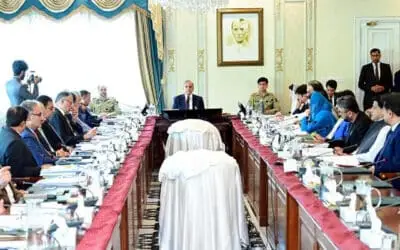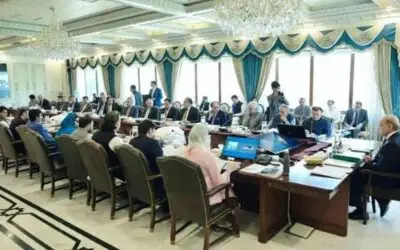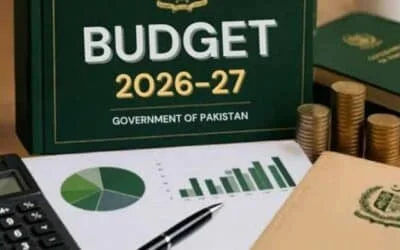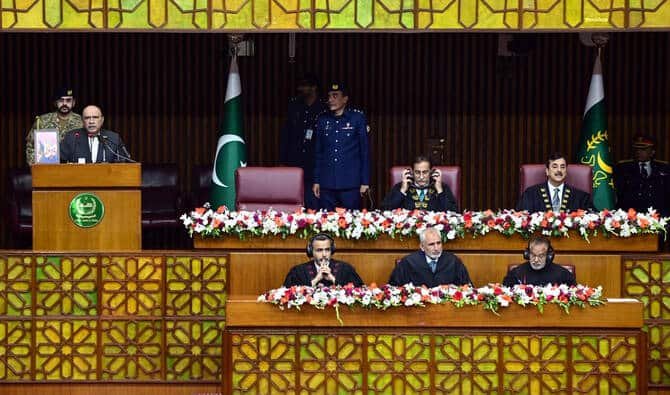
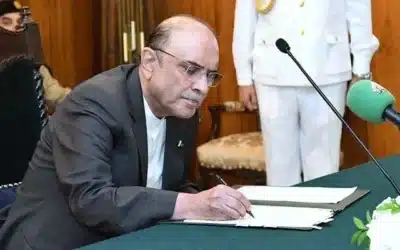




ISLAMABAD — President Asif Ali Zardari on Friday approved summoning the federal budget sessions for both houses of parliament on June 5. The National Assembly will meet at 5:00 PM, followed by the Senate session at 6:00 PM. The federal budget for the financial year 2026–27 will be formally presented in the National Assembly, with the detailed official agendas for both sessions to be issued in the coming days.
Key Highlights
- President Asif Ali Zardari approved summoning the National Assembly and Senate on June 5.
- The federal budget for the fiscal year 2026–27 will be presented in the National Assembly.
- Most matters for the upcoming budget have already been settled in consultation with the IMF.
- The government is preparing budget proposals to increase salaries and pensions.
- The FBR faces a tough target to collect around 15.3 trillion rupees in taxes for FY27.
The next federal budget is being prepared in close consultation with the International Monetary Fund (IMF), and most of the core financial matters have already been settled. Ahead of the sessions, the federal government has prepared proposals to increase salaries for the salaried class and raise pensions for retired individuals. Adviser to the Prime Minister on Political and Public Affairs, Senator Rana Sanaullah, stated that the government is preparing a comprehensive strategy to provide maximum relief to segments of society hit hard by inflation. He added that Prime Minister Shehbaz Sharif will formally announce this public-friendly relief package soon. Sanaullah also clarified to the media that the government is not considering any amendments regarding voters’ age limits.
Federal budget for FY2026-27 to be presented as IMF talks continue over tax relief, revenue measures and ₨2.8 trillion primary surplus target
Read: https://t.co/SroccgBZ1c pic.twitter.com/HTLJblNGKC
— Profit (@Profitpk) May 29, 2026
Despite the promises of public relief, financial research reports from top brokerage houses, including Topline Research and JS Global Capital, indicate that the FY27 budget will focus heavily on economic stabilization and fiscal discipline rather than big populist measures. After three years of adjustments under the IMF program, the government must maintain policy continuity to satisfy international lenders and investors. This creates a central tension, as domestic pressures demand tax relief while the IMF has tightened its oversight.
Under the IMF-linked targets, the Federal Board of Revenue (FBR) is expected to collect approximately 15.3 trillion rupees in taxes during FY27. This target requires a massive revenue growth of 14% to 20%. Meeting this goal will be a major challenge for the government, especially since the current financial year of FY26 is already expected to close with another revenue shortfall. Because the IMF has upgraded FBR benchmarks to strict performance criteria, the government is left with minimal room for tax exemptions or discretionary relief.