




The strike on South Pars marks a massive escalation in the 20-day-old Middle East war. By targeting “upstream” production—the actual source of the fuel, rather than just storage depots, the conflict has moved into a phase that experts warn could trigger a global depression.
For this particular attack on the oil fields, its a response to the attack on iranian gas fields. Because at the end of the day neither the american nor israel can attack iran with out passing through the air of an arab cpuntry.
— Abdulahi waberi (@AbdulahiWaberi) March 19, 2026
The South Pars Strike: Targeting Iran’s “Lifeblood”
South Pars is the Iranian sector of the world’s largest gas reservoir (shared with Qatar’s North Field).
- Domestic Impact: This field provides 75-80% of Iran’s domestic gas. The strike was designed to cripple Iran’s internal power grid and heating, rather than just its exports.
- The “License to Kill”: This attack coincided with the assassination of high-ranking Iranian officials like Ali Larijani, signaling a coordinated attempt to dismantle the Iranian state’s functional capacity.
“Macron has not uttered one word of condemnation of the Israel-US war on Iran. He did not condemn Israel when it blew up fuel storage in Tehran, exposing millions to toxins.
His current “concern” didn’t follow Israel’s attack on our gas facilities. It follows our retaliation!— 🕉 Om Dr of 💙 – Humanist RenuMarley (@QueenPhoenix1) March 19, 2026
The Retaliation: Qatar’s Ras Laffan Hit
In a move that shocked global markets, Iran struck back at the shared reservoir’s Qatari side:
- LNG Shock: Qatar provides 20% of the world’s Liquefied Natural Gas (LNG). The missile strike on Ras Laffan caused a massive fire, threatening exports to Europe and Asia.
- The IRGC Ultimatum: Iran has labeled energy facilities in Saudi Arabia (Samref Refinery) and the UAE (Al Hosn Gas Field) as “legitimate targets,” leading to a “panic mode” in regional shipping.
Pakistan: The “Eid Buffer” Policy
Despite global Brent crude crossing the $113 mark, the situation at Pakistani petrol pumps is currently stable due to a government intervention:
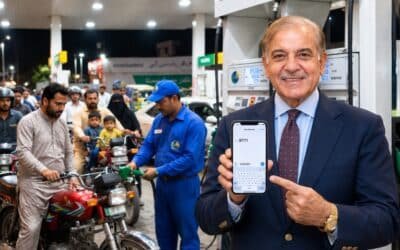
- Price Freeze: Prime Minister Shehbaz Sharif has directed that petrol and diesel prices remain unchanged until March 31, absorbing an estimated Rs 19–29 per litre increase through a Rs 23 billion subsidy.
- Anti-Hoarding: The government has launched a crackdown on Oil Marketing Companies (OMCs) to ensure they do not withhold stocks during the high-demand Eid season.
- The “Hormuz” Threat: Analysts warn that if the Strait of Hormuz remains closed, Pakistan’s reliance on expensive “Oman Crude” (which has touched $150) will eventually force a massive price hike in April.
Survival Tips for the Energy Crisis
- Fuel Up Before Friday: Although prices are frozen, the Karachi storm and Eid travel could lead to localized shortages. Fill your tanks early to avoid long queues.
- Conserve Electricity: With the gas supply for power plants under threat globally, expect increased load-shedding. Ensure your UPS and solar systems are maintained.
- Travel Light: Given the government’s call for “austerity,” consider limiting long-distance road trips this Eid to save on high-priced fuel.
You May Like To Read: Peshawar Zalmi Teases Yellow Storm Kit for PSL 11
Check out our latest video: