


ISLAMABAD — The World Bank has called on Pakistan to implement a broad set of reforms to address structural weaknesses in its trade policies, enhance export competitiveness, and fully utilize preferential trade agreements.
In its assessment, the Washington-based lender highlighted the need for a flexible exchange rate to complement recent tariff reforms, noting that tightly managed rates strain foreign exchange reserves and trigger recurrent balance-of-payments crises, undermining investor confidence and constraining private investment.
The bank recommended:
-
Allowing a deep and liquid interbank market without State Bank of Pakistan (SBP) intermediation, with participation from exporters, importers, and foreign investors.
-
Publishing detailed data on interbank market transactions, including volumes and participants.
-
Phasing out ad hoc central bank interventions to let the exchange rate reflect genuine supply and demand.
Structural and Competitiveness Challenges
The World Bank pointed to deep-seated productivity issues as a key reason for Pakistan’s weak export performance, including:
-
High tariff barriers, rising input costs, and inflation driving production costs up.
-
Excessive red tape and regulatory burdens, combined with the state’s heavy presence in the economy (over 200 federal state-owned enterprises), deterring investment and distorting resource allocation.
-
High customs and logistics costs.
-
Limited government support for export market access, including inadequate trade facilitation, compliance systems, and promotion of Pakistani exports abroad.
-
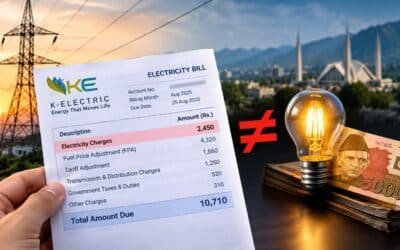
Expensive electricity and limited digital infrastructure affecting firm-level productivity.
According to the World Bank, these challenges have led to missed exports worth nearly $60 billion.
Trade Agreements Underutilized
While Pakistan is party to 10 trade agreements, most are shallow and focused on limited tariff liberalization. Only the China-Pakistan Free Trade Agreement covers tariffs, investment, and trade facilitation comprehensively. Agreements with Malaysia, Sri Lanka, and SAFTA remain partial.
The bank urged Pakistan to:
-
Deepen existing agreements to cover services, investment, and non-tariff measures.
-
Expand trade with non-traditional markets such as Sub-Saharan Africa and Latin America.
-
Strengthen the government’s negotiation capacity, including training units and consulting exporters to align agreements with business opportunities.
-
Establish mechanisms to monitor implementation and performance of trade pacts.
In a policy advice to the government, the bank observed that nearly all countries that have achieved rapid and durable growth have done so by tapping into global markets, but Pakistan has struggled to follow this path.https://t.co/JTQZ1rTRFi
— Dawn.com (@dawn_com) November 3, 2025
Complementary Measures
While welcoming recent tariff reforms, the World Bank emphasized they must be paired with:
-
Full operationalization of the EXIM Bank of Pakistan.
-
Stronger trade facilitation measures.
-
Structural reforms to boost firm productivity and export competitiveness.
-
Capacity building at the National Tariff Commission to monitor and implement anti-dumping and countervailing measures.
The bank concluded that leveraging deep and strategic trade agreements, coupled with domestic reforms, is crucial for Pakistan to integrate into global value chains, attract investment, and sustainably expand exports.
This report underscores the urgency for Pakistan to modernize its trade framework and address long-standing structural inefficiencies that continue to limit its growth potential.
You May Also Like: Pakistan Attracts 23 Bids for Offshore Exploration After 18-Year Hiatus