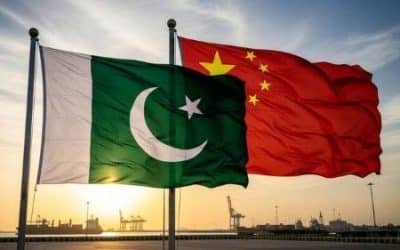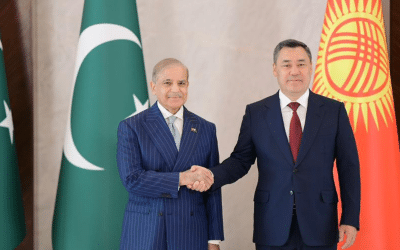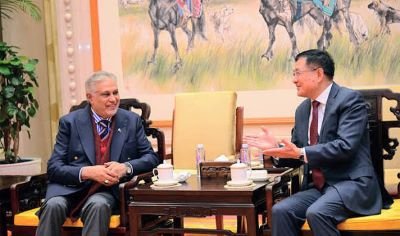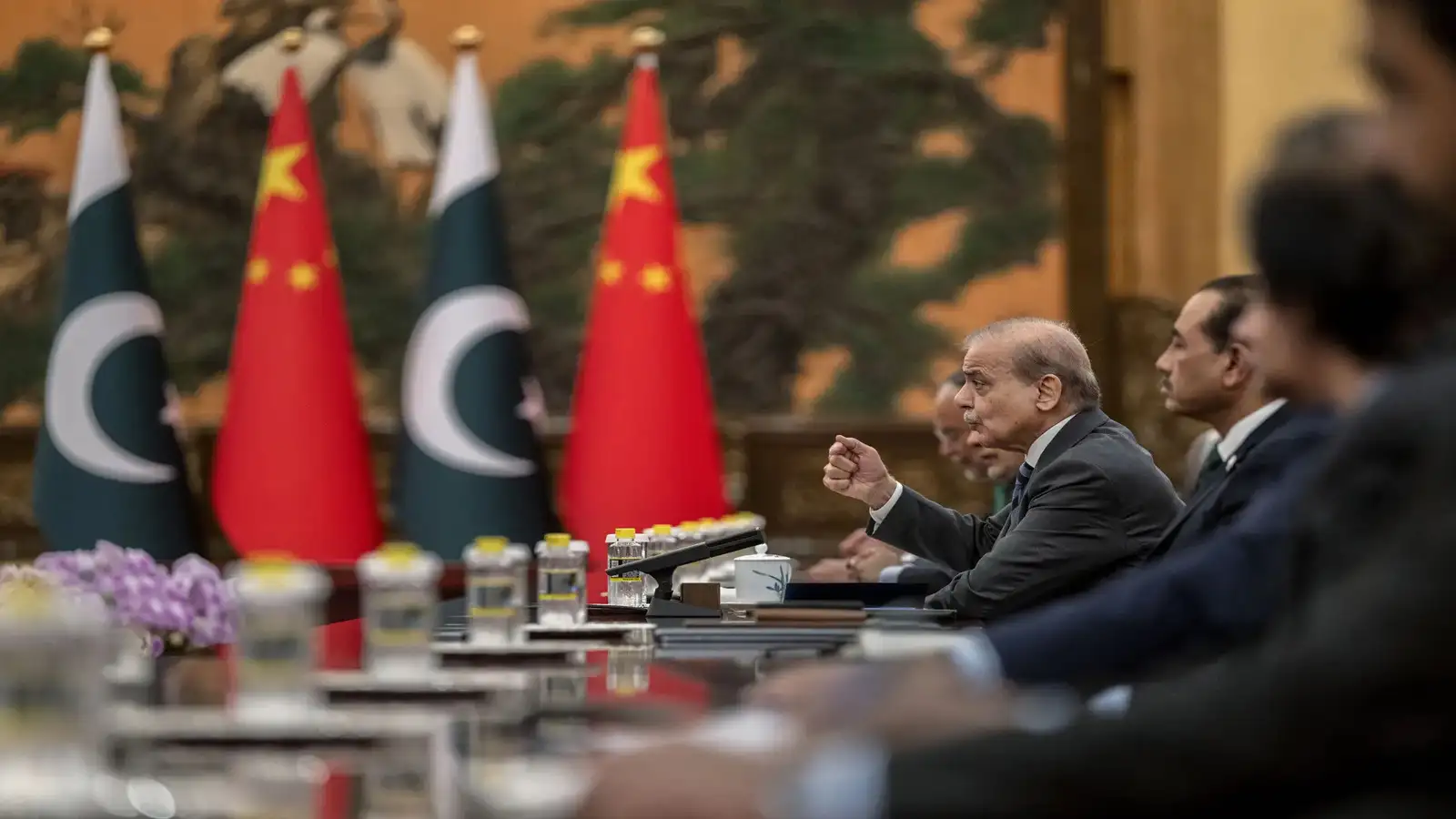
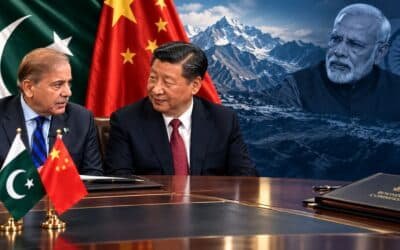


Pakistan and China have signed a string of new agreements this week on healthcare and trade, giving new impetus to a bilateral relationship marking its 75th anniversary this year. The two countries signed pharmaceutical and healthcare deals worth $850 million in Islamabad. Five new memoranda of understanding on electric vehicles, construction materials, and other sectors were signed at a major investment forum in Guangzhou.
Key Highlights
- Pakistan-China Pharmaceutical Conference yields $850 million in contracts and MoUs
- 18 deals focus specifically on herbal medicine cooperation
- Pakistan currently imports 90 percent of its pharmaceutical raw materials
- Guangzhou forum produces five MoUs covering EVs, batteries, and construction materials
- Both events fall within a year marking 75 years of Pakistan-China diplomatic relations
The Pakistan-China Pharmaceutical and Healthcare B2B Investment Conference was held in Islamabad on July 17-18 and brought together business leaders, officials, and health experts from both countries. Federal Health Minister Syed Mustafa Kamal, while briefing the media at the conference’s conclusion, said 16 contracts and 80 MoUs had been signed. In addition to MoUs worth $250 million, the countries signed contracts worth $600 million, bringing the total value of deals to $850 million. Kamal called it a major economic milestone for healthcare cooperation between the two countries.
Special attention was paid to herbal medicine; 18 of the signed agreements related to this. China has long been a major investor in research into herbal and traditional medicine, and Pakistan appears to be developing a similar interest, with these agreements expected to bolster supply chains and research ties in natural health products.
Bridging the Gap in Raw Materials and Vaccines
A major objective of the conference was to cut Pakistan’s dependence on imported pharmaceutical inputs. “Pakistan imports 90 percent of its pharmaceutical raw materials, known as active pharmaceutical ingredients, making the country’s medicine supply vulnerable to global price fluctuations and disruptions,” Kamal said. In the new deals, the Chinese companies have committed to helping Pakistan develop local production capacity for these raw materials, which could ultimately lower medicine prices and reduce Pakistan’s vulnerability to supply shocks.
Another big issue became vaccines. Currently, Pakistan is importing 13 different vaccines. Kamal estimated that import costs could rise to $1.2 billion by 2030 if the current trend continues. Now, officials say that building local vaccine manufacturing capacity is a priority that could save foreign exchange and reduce reliance on imports during health emergencies. The discussions also covered local manufacturing of medical devices such as syringes, diagnostic kits and basic hospital equipment that Pakistan currently imports in bulk.
Regulatory reform seeks international recognition
Officials also talked about expanding clinical trials in Pakistan, which could lead to more drug testing and development in the country. Pakistan’s drug regulator, DRAP, is carrying out reforms, including digitizing its licensing process, to speed up the introduction of new medicines to the market.
Pakistan has a long-term goal of attaining World Health Organization Maturity Level 3 status for its drug regulatory system by April 2027. Achieving this milestone would mean Pakistan’s regulatory system complies with internationally accepted standards, and foreign companies would be more likely to trust products manufactured in Pakistan, which could lead to wider access to world markets for Pakistani pharmaceutical exports.
Five New Deals Signed in Guangzhou
Five new business deals were signed here this week at the Pakistan Investment and Business Environment Exchange Forum 2026 in Guangzhou between Pakistan and China. At its fifth edition, the forum brought together business leaders and officials from both countries for policy talks, investment presentations, and business-to-business meetings.
The five signed MoUs span a particularly wide range of sectors, including electric vehicles, battery manufacturing, construction materials, furniture, pine nuts and medical and business tourism. The spread marks a departure from the big infrastructure projects, roads, power plants and ports that have historically defined Pakistan-China economic cooperation under CPEC.
Broader Push Beyond Infrastructure
The Guangzhou forum also discussed new opportunities for industrial and infrastructure cooperation under CPEC as well as other sectors including energy, e-commerce and food processing. Together, the signals suggest Pakistan is trying to attract Chinese investment into a wider range of industries, not just a few big projects.
Both took place in a symbolically important year. Both sides are celebrating 75 years of diplomatic ties in 2026, and officials from both sides used the gatherings to reaffirm what they routinely call an all-weather friendship, renewing pledges to deepen economic cooperation going forward.
What to Expect Next
But translating these deals into working factories, trained staff and functioning supply chains will require real follow-through from both governments and private companies. Memorandums of understanding are statements of intent, not guarantees, and many similar agreements between countries take months or years to become actual projects on the ground.
And yet it is hard to miss the scale of this week. The $850 million pharma commitment and the five new deals signed at the Guangzhou forum are part of a broader pattern of expanding Pakistan-China economic ties in 2026, which have also included Pakistan’s first yuan-denominated Panda Bond earlier this year and high-level engagement between officials from both countries throughout the year. Whether this momentum translates into real gains, lower medicine prices, new manufacturing jobs and expanded export markets as these agreements move from paper to practice in the coming months remains to be seen.