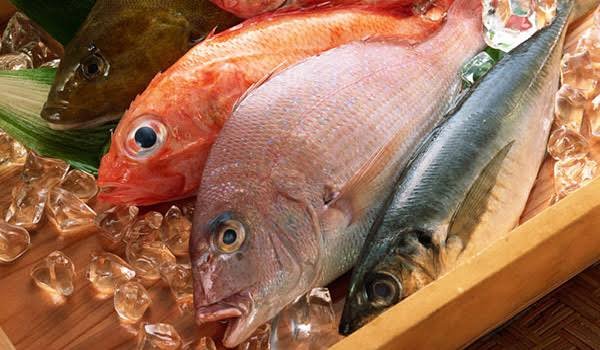





In the first seven months of 2026, Pakistan got $220 million from seafood exports to China. That’s a 41% increase compared with the same period last year. The increase is driven by higher demand for Pakistani seafood in the Chinese market, with fish, squid, crabs, and other seafood products making up the bulk of shipments.
Main Highlights
- Seafood exports to China reach $220 million in the first seven months of 2026
- Exports rise 41 percent year-on-year
- Fish, squid and crabs are some of the top-selling products
- Growth reflects broader expansion of Pakistan-China trade links
🚨BREAKING: Pakistan exports $220 million worth of seafood to China in first seven months of 2026.
Read More:https://t.co/WS6jvaNvGZ pic.twitter.com/iUrkJ6rFvK
— The Daily CPEC (@TheDailyCPEC) August 24, 2026
What Is Fuelling the Growth
The latest figures show the relationship is growing and China is a growing market for Pakistani seafood. As demand rises, Pakistani exporters will see better market access and stronger trade links with Chinese buyers. That’s no mean feat for an industry that has traditionally found it hard to scale outside of regional markets.
The growth also speaks to something bigger than seafood alone. More shipments mean more foreign exchange earnings and support larger efforts to grow Pakistan’s export base in China. Seafood is starting to look less like a niche export category and more like a real contributor to the overall Pakistan-China trade relationship, with seven months already creating $220 million in trade.
China’s Wider Economic Role in Pakistan
This surge in seafood trade is accompanied by another significant data point. China was Pakistan’s biggest source of foreign direct investment in July, according to figures from the State Bank of Pakistan. Net FDI of $63.2 million came from Chinese investors that month, accounting for about 35.4 percent of Pakistan’s total net FDI of $178.6 million in the first month of the new fiscal year.
In July, Pakistan posted gross FDI inflows of $304 million, but investors repatriated or transferred $125.4 million from the country, taking the net FDI to $178.6 million. That’s compared to $223.5 million in the same month one year ago. But China’s top spot on the investor list held steady. China had gross inflows of $104 million in July compared with outflows of $40.8 million, leaving net investment at $63.2 million, well ahead of second-placed Canada with $35.8 million, followed by Hong Kong, Switzerland and the UK.
Financial and insurance activities attracted the most investment in July, with $63.3 million, followed closely by the electricity, gas and air-conditioning supply sector at $60.8 million. But not all sectors moved higher. Mining and quarrying had a net outflow of $22.8m while information and communication had a $9.4m outflow.
Seafood exports and FDI moved in the same direction. China’s economic footprint in Pakistan continues to grow through trade and direct investment, and both appear to be deepening as Pakistan tries to expand its industrial base and attract more foreign capital.