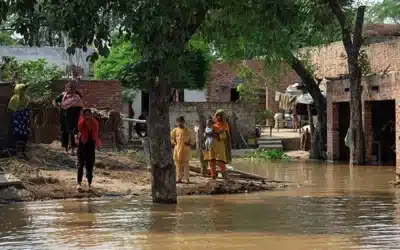


When millions fled Afghanistan during decades of war—from Soviet occupation to Taliban resurgence—Pakistan welcomed them with open borders, shelter, and long-term humanitarian commitment. India, in contrast, offered symbolic gestures filtered through ideological and religious selectivity. Now, as Afghanistan stabilizes under its own national leadership, the question arises: is it time Afghan refugees returned—not just physically, but politically—to where their loyalties should lie?
Pakistan’s enduring humanitarian commitment
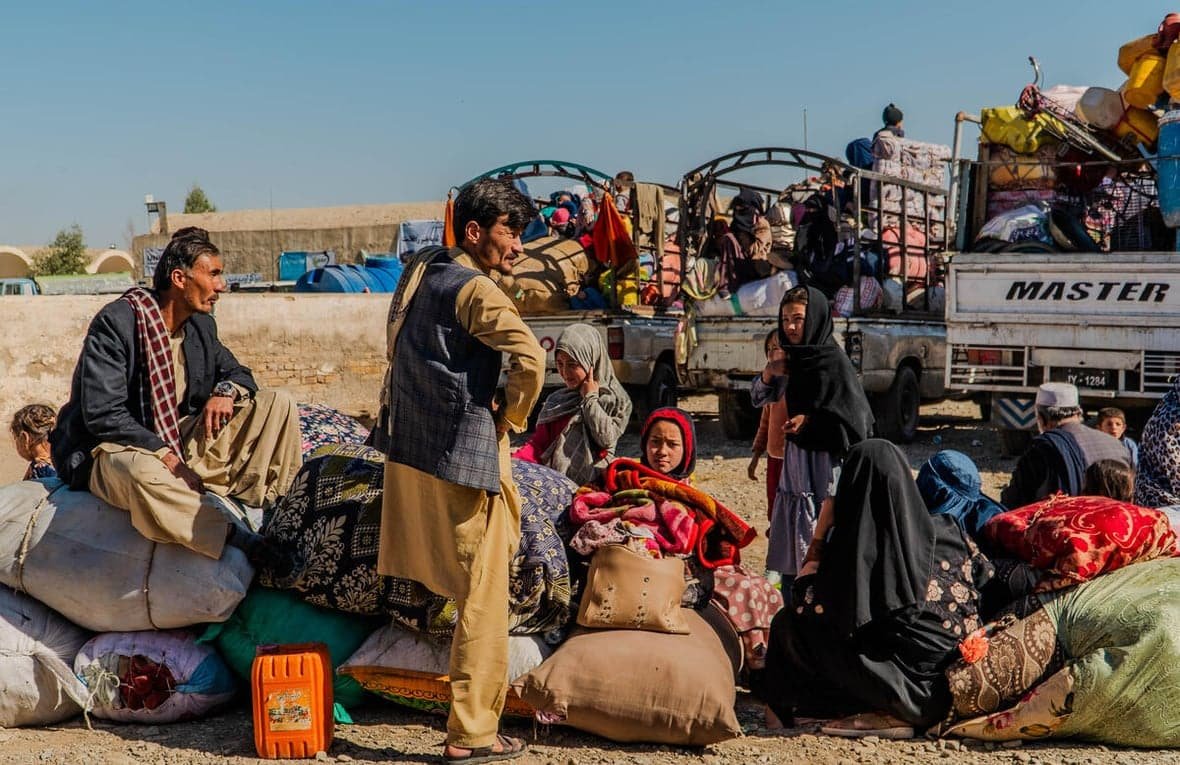
- Largest host in the world: As of 2024, Pakistan housed around 1.5 million registered Afghan refugees and an estimated 600,000 more who arrived after the Taliban’s return to power, making it one of the largest refugee hosts globally.
- Infrastructure for dignity: Since 2005, the Ministry of SAFRON and NADRA have provided Proof of Registration (PoR) cards, enabling access to essential services such as education, basic healthcare, and employment opportunities. Many Afghan families have lived in Pakistan for generations, often blending linguistically and culturally.
- Voluntary returns: With over 4 million voluntary returns since 2002—the world’s largest such repatriation—Pakistan has continued to work with UNHCR to reintegrate Afghans back into their homeland.
Even amid economic hardship and donor fatigue, Pakistan remained committed to Islamic and humanitarian principles over four decades.
India’s limited engagement—with strings attached
- Token numbers, selective compassion: India hosts only 8,000–12,000 Afghan refugees, largely through UNHCR and private applications, with an overwhelming preference for non-Muslims—mainly Sikhs and Hindus.
- Citizenship Amendment Act bias: India’s 2019 CAA explicitly excludes Muslim Afghan refugees from fast-track citizenship.
- Stateless and stranded: Most Afghan Muslims in India face bureaucratic dead ends—no work permits, no higher education, no long-term residency, leaving them vulnerable to detention or deportation.
India claims to be a friend of the Afghan people. But on the streets of Delhi, Afghan refugees—men, women, and children—stand in protest, not against war, but against neglect. Their only demand: basic rights and dignity.#Afghanistan#India pic.twitter.com/FkDd6cPh2y
— Fizza Urooj (@Fizz_Urooj) July 4, 2025
Two Divergent Stories
| Aspect | Pakistan | India |
| Scale | ~1.5 million registered, +600k unregistered | ~1.5 million registered, +600k unregistered |
| Legal framework | PoR, ACC cards issued; schools, health access, repatriation channels | PoR, ACC cards issued; schools, health access, repatriation channels |
| Integration | Multi-generational roots, legal identification, and cultural overlap | Multi-generational roots, legal identification, and cultural overlap |
| Humanitarian role | Long-term support, UNHCR collaboration, Islamic solidarity | Long-term support, UNHCR collaboration, Islamic solidarity |
Cricket and cognitive dissonance
Despite enjoying four decades of refuge in Pakistan, segments of the Afghan diaspora—especially among elites and athletes—have increasingly adopted India-friendly narratives. This has become most visible in cricket diplomacy, where Afghan players often appear overtly friendly toward Indian teams, while treating Pakistani teams—who represent their actual host—with hostility or indifference.
Such behavior indicates not historical trauma, but a modern embrace of Indian propaganda, fostered through media influence and soft power. The irony: Afghanistan’s cricket board was nurtured in Pakistan, with training camps in Peshawar and Karachi, and early ICC recognition brokered by Pakistani officials.
Conclusion: Return, Reconnect, Reconsider
Afghanistan today is governed by Afghans. Though challenges remain, it is no longer a country at war. The moral and practical obligation now rests with Afghan refugees—particularly those who have spent decades in Pakistan—to return and rebuild. Refugees should not become a permanent entitlement, especially when the host has shouldered the burden with patience and dignity.
Moreover, Afghan elites and influencers must reconsider their political postures. Taking an anti-Pakistan stance, while India offers little more than media optics and symbolic charity, is both shortsighted and ungrateful. Pakistan, not India, housed their people. Pakistan, not India, offered land, language, and livelihood.
It’s time for Afghan hearts and homes to align with historical truth, not manufactured narratives.