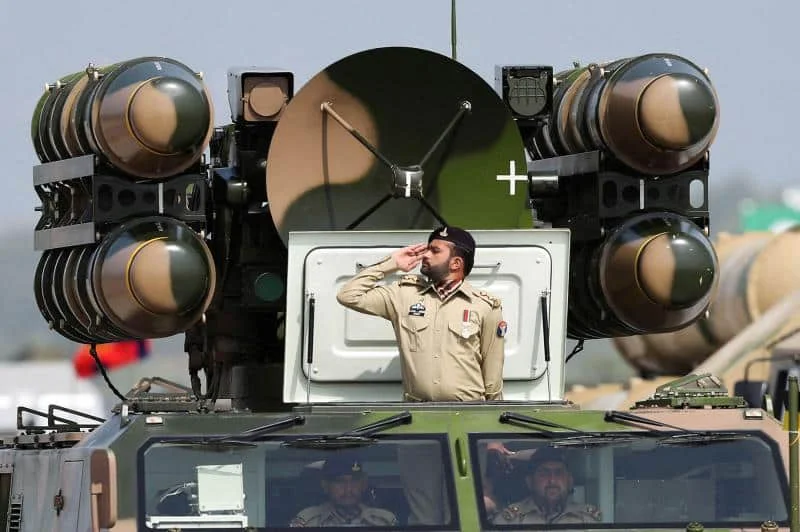



ISLAMABAD — Pakistan and Kuwait are actively negotiating an expanded, high-stakes defense pact, security and diplomatic sources revealed. The proposed agreement explores a framework under which Islamabad would extend comprehensive military support to the Gulf nation in exchange for guaranteed energy security and direct financial investment.
While the two nations have maintained a limited bilateral defense arrangement focused on training and joint military exercises since 2023, the intensifying regional conflict has prompted Kuwait to seek a much more robust security umbrella.
EXCLUSIVE: Pakistan and Kuwait discuss expanded defence pact, sources say https://t.co/AIdpGh7xCT https://t.co/AIdpGh7xCT
— Reuters (@Reuters) July 17, 2026
The Scope of Kuwait’s Strategic Request
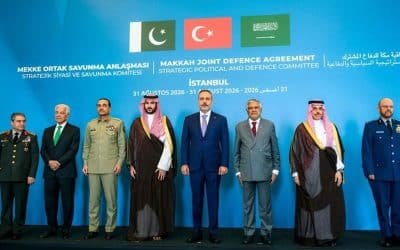
According to a Pakistani government official with knowledge of the early-stage talks, Kuwait’s strategic “wish list” aims to establish a deterrence framework similar to Pakistan’s long-standing security commitment to Saudi Arabia. The proposed arrangement includes requests for:
- Ground Forces: A potential deployment of thousands of Pakistani troops on Kuwaiti soil.
- Air Support & Tech: Provision of Pakistani fighter jets, unmanned aerial vehicles (drones), and complete air defense systems.
- Logistical Base: Shared access to hardware and dedicated defense-related maintenance facilities.
However, security officials in Islamabad have expressed strong reservations regarding the deployment of active combat personnel. “Let me be clear about one thing: We are not and we cannot consider a deployment of combat troops at this stage,” a Pakistani security official stated under condition of anonymity.
Unlike the historic, decades-old defense arrangements established with Riyadh, a massive deployment to Kuwait carries severe diplomatic complications given the active US-Israeli military standoff with Iran, a conflict that has directly affected maritime security and airspace near Kuwait.
The Strategic Trade-Off
For Pakistan, the primary incentive driving the negotiations is stabilizing its domestic energy reserves and securing external capital flows to offset recent investment flight from the region.
A Middle Eastern diplomatic source confirmed that active conversations regarding defense procurement are underway, though they cautioned it remains to be seen whether the final outcome will manifest as a formal, comprehensive mutual defense treaty or a series of expanded bilateral trade clauses.
Neither the Inter-Services Public Relations (ISPR) nor Kuwait’s Ministry of Information has issued an official comment on the active report, as both states navigate the sensitive geopolitical landscape shaped by ongoing Gulf tensions.