


What does it truly mean to be Pakistani—not just on paper, but in your heart and soul? In a country born from the dream of unity, yet shaped by many cultures, languages, and histories, discovering “Pakistaniyat” is a personal journey. We carry many layers of identity; The faith our ancestors cherished, The regional languages we grew up hearing, The history of colonization we’ve inherited, and the modern world we navigate every day. To truly understand what it means to be Pakistani, we must embrace all these parts—not with judgment, but with honesty and pride. Can we celebrate a Balochi folk song, a Punjabi harvest festival, a Karachi street protest, and a Muhajir’s migration story—all together? Yes, we can. That’s the beauty of Pakistan: it’s diverse, complex, and alive. Loving Pakistan doesn’t mean seeing it as perfect—it means caring for it as a living, growing nation. It means choosing to be part of its story, with all its challenges and hopes. Pakistaniyat is not something given—it’s something we claim. It’s found in our everyday actions, in how we treat each other, and in how we honor our shared past while building a better future.
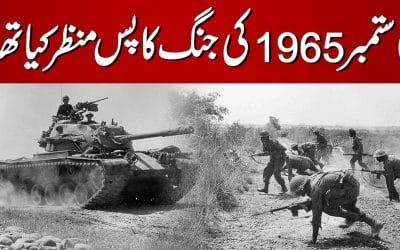
You May Like To Read: August 1965 War Memories: The Role of PAF in Defending Lahore
Source : The Nation
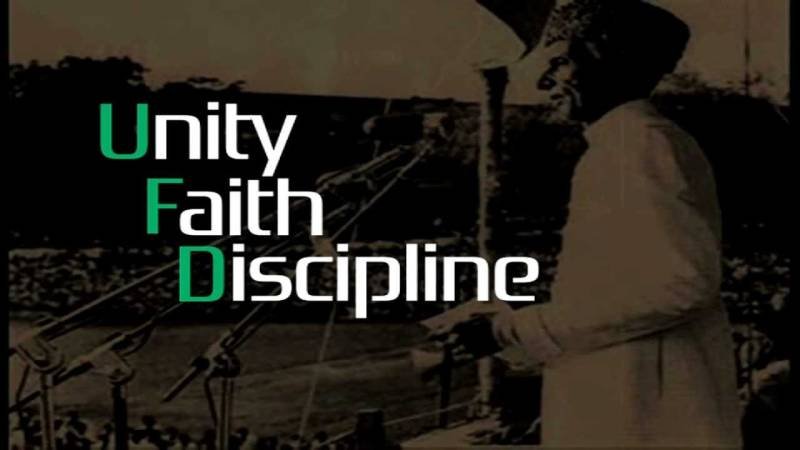
Unity, Faith and Discipline; 3 x simple fundamentals given to the Nation by none other than the founding father Quaid-e-Azam Muhammad Ali Jinnah. To identify the Pakistani within we must understand each point in depth. Unity in diversity refers to the concept of fostering togetherness and harmony among people from various backgrounds, cultures, and identities, while still recognizing and valuing their unique differences. It emphasizes the idea that a society can be strong and cohesive despite the presence of diverse elements. We need to accept and celebrate pluralism; revival of cultural events like basant, lok mela, Sindhi Ajrak Topi Day, Baloch Day, Muhajir days should be celebrated as national days to promote diverse cultures of the nation. Quaid’s speech of 11 Aug 1947 should be made part of the school and college syllabus as a constitutional commitment to diversity. Youth can counter ethnic stereotypes by organizing school debates, theatres, dramas, movies, and social media campaigns. Promote cultural unity by creating multiethnic murals countrywide. The quota system needs to be reviewed considering the availability of educational and allied infrastructure while pursuing the development relentlessly. Provision of basic facilities to far-flung areas and subsequent development will help foster unity and show that the state remains cognizant of its citizens and their predicaments.
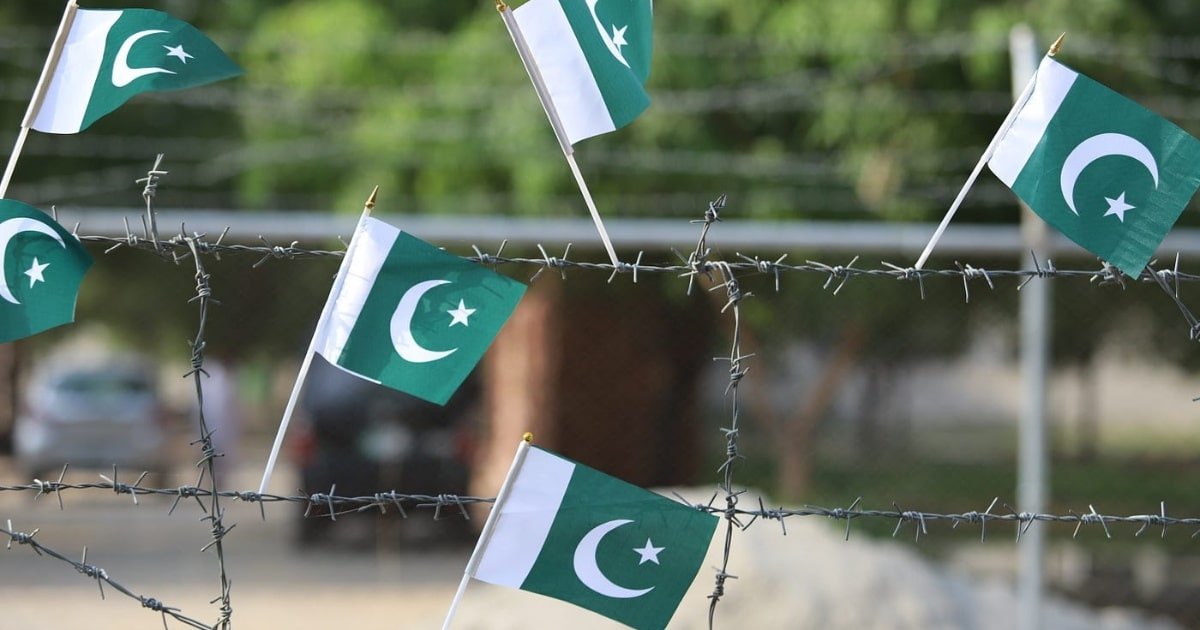
Faith: Beyond Ritual, Toward Trust
Source : Freepik.com
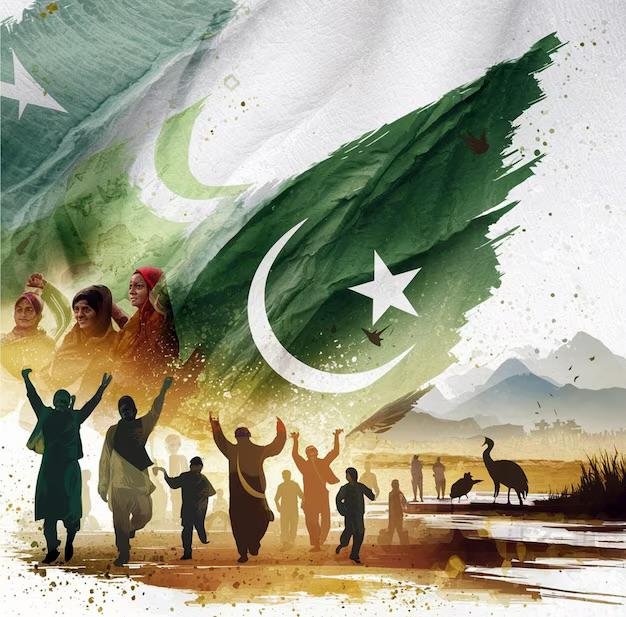
Faith isn’t just about religion—it’s about believing in our country, in justice, and in our ability to overcome challenges together. It gives us strength, direction, and hope for a better future. In Pakistan, we need to rebuild faith as a social contract—a promise between citizens and the state, and among citizens themselves. This means committing to values like honesty, justice, and compassion, starting from our schools and colleges. We must believe in our shared potential and work together as one nation. But faith is a two-way street: the government and institutions must lead with integrity, while citizens must take responsibility in their daily lives. Let’s begin with small actions:-
- Follow traffic rules
- Keep our surroundings clean
- Respect the law and constitution
Citizens deserve proper facilities and protection, and the state must ensure that. Together, we can build trust through collective efforts aimed at national progress. Some practical steps to build this trust include:-
- Transparent tax systems
- Cleanliness drives
- Better education
- Celebrating our history and culture
- Promoting art and diversity
- Encouraging tolerance and learning from our mistakes
Faith in Pakistan’s future can only grow when we all work together—for stability, unity, and greatness.
Source : Tech Juice
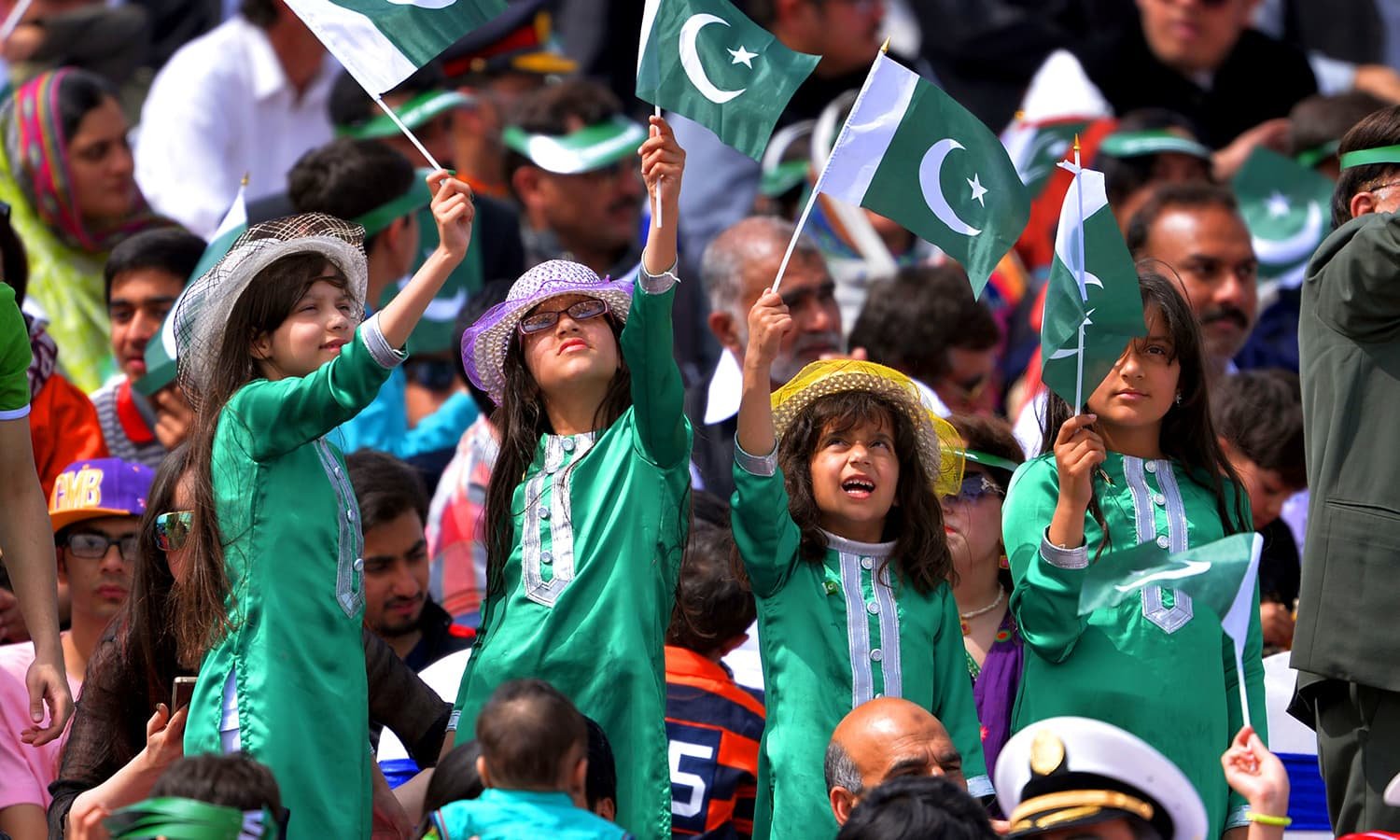
Discipline means self-control, respect for others, and following rules. It’s about being responsible citizens who care about law and order and want to build a fair and organized society. Simple actions like being on time, keeping things clean, respecting others’ rights, and doing good for the community show discipline. When we act with honesty and responsibility, we help create a country we can be proud of—and one that earns respect around the world. Instead of just telling young people to be disciplined, we need to show them through our actions. Values like punctuality, cleanliness, kindness, and integrity should be part of everyday life. Our institutions should lead the way by organizing nationwide campaigns that include people of all ages. These efforts can help make discipline a natural part of our culture.
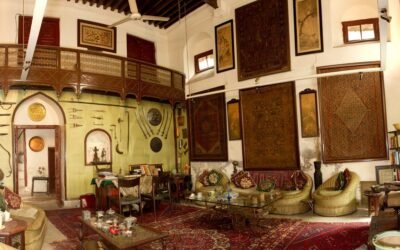
Source : Sindh Tourism
“The Indus is not a mere river. It is the bloodstream of a people who refuse to be erased.” – Aitzaz Ahsan
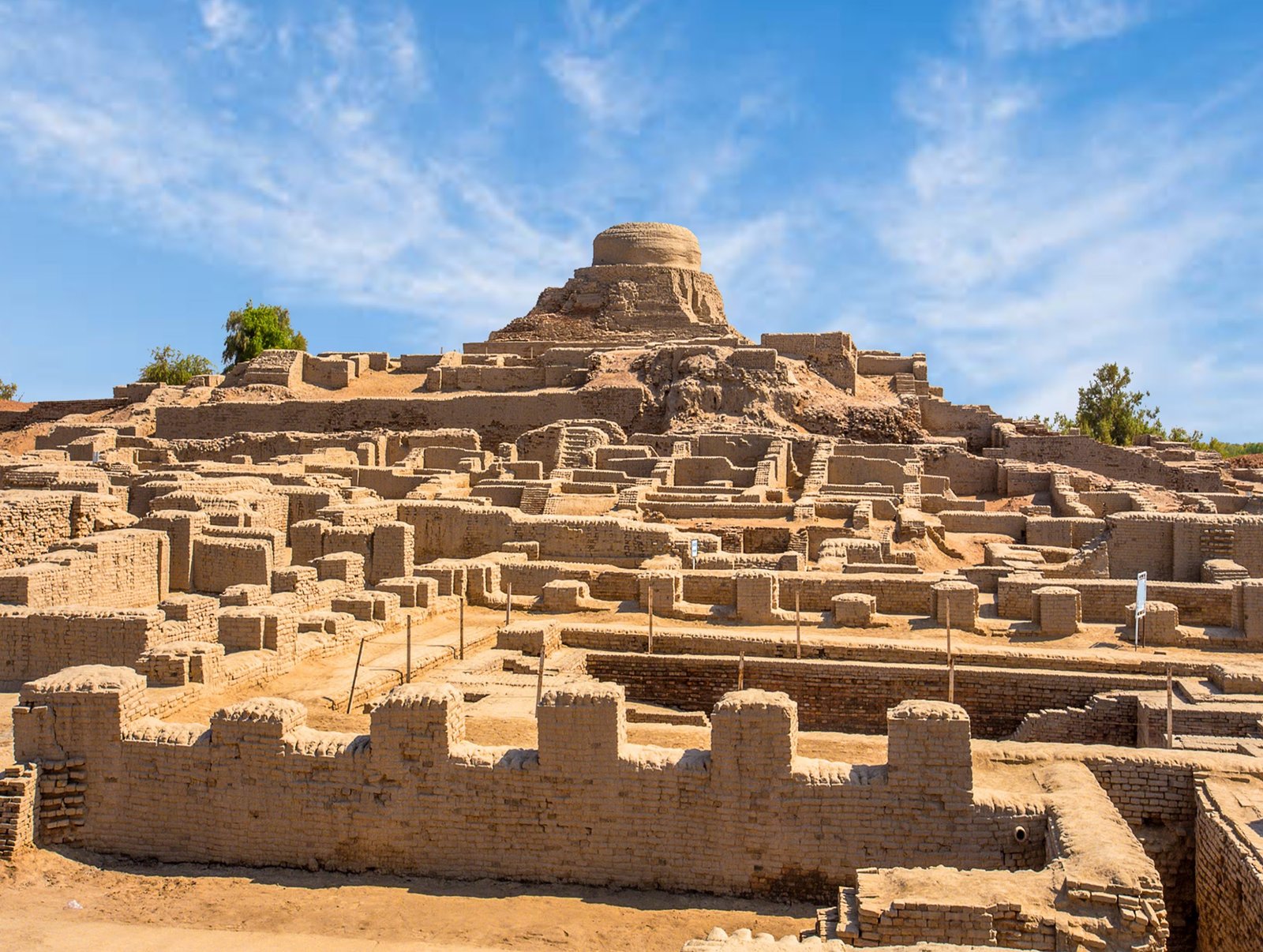
Pakistan isn’t just 78 years old—it’s the heart of a civilization that’s over 5,000 years old. The Indus Valley, where modern-day Pakistan stands, had advanced cities like Mohenjo-Daro and Harappa long before ancient India or British rule. These cities had clean streets, drainage systems, and fair societies—while much of the world was still living in caves. We need to reclaim our ancient identity. Pakistaniyat isn’t just about 1947—it’s about rediscovering the wisdom and values of our ancestors. The Indus Valley had its own culture, separate from the Vedic traditions of India. It was home to peaceful, trade-driven societies that connected with places like Mesopotamia. For those struggling with identity, this history offers pride and clarity. Our roots are deep—Sindhis, Punjabis, Baloch, and others are all heirs to the Indus civilization. Even our languages carry its legacy. Words like “Dharti” (earth) in Sindhi and “Pani” (water) in Punjabi come from this ancient past—not from Hindi. We should teach this in schools, celebrate sites like Taxila and Mehrgarh, and include ancient folk stories in our curriculum. These aren’t just ruins—they’re sacred symbols of who we are. Pakistaniyat means walking with pride in our heritage. Our ancestors built cities without kings, practiced fairness, and lived with dignity. Islam in this region blended with the values of tolerance and equality from the Indus Valley. That’s why our faith is layered with thousands of years of wisdom. Let’s reject the false idea that pre-Islamic history belongs to someone else. It’s ours. And by embracing it, we can build a stronger, united, and proud Pakistan.
Source : X
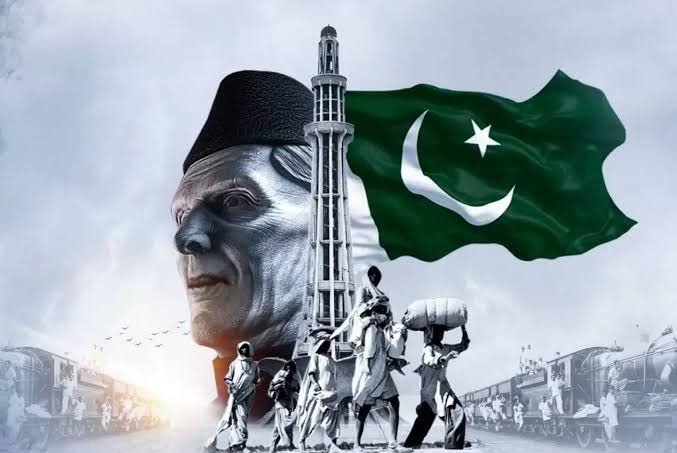
In the end, being Pakistani is about more than just where we live—it’s about how we live, how we treat each other, and how we carry forward the legacy of a rich and ancient land. From the wisdom of the Indus Valley to the vision of Quaid-e-Azam, our identity is built on unity, faith, and discipline. By embracing our diversity, honoring our history, and committing to justice and responsibility, we can shape a Pakistan that reflects the best of who we are. The journey of Pakistaniyat begins with each of us—through small actions, shared values, and a deep love for our homeland. Together, we can build a future that’s proud, peaceful, and truly ours.
You May Like To Read: “Pakistani Cinema: A Cultural Ambassador and Breaker of Stereotypes”