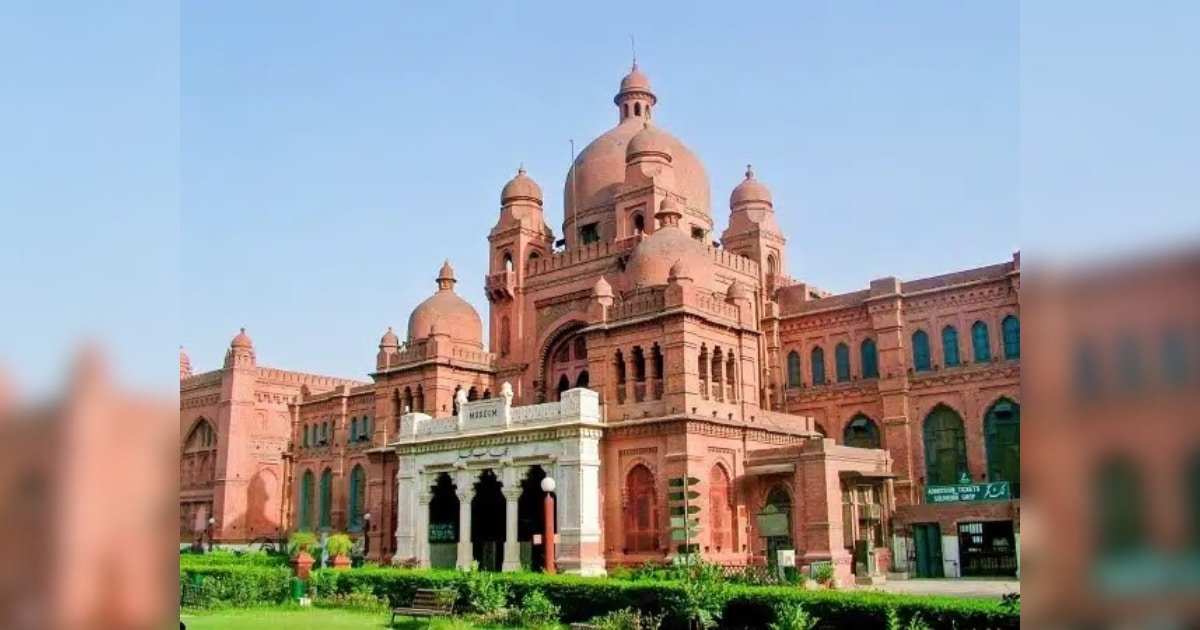





The Lahore Museum, a repository of the subcontinent’s most profound historical narratives and one of Pakistan’s most significant cultural institutions, is set to undergo a transformative and essential period of darkness. Announced recently, the museum will close its doors for an extended period to accommodate a massive restoration and upgrade project, signaling a new era for heritage preservation.
The museum is scheduled to begin its closure in the coming weeks, starting late December 2025 or early January 2026.
The $8 Million Leap into the Future
The closure, expected to last approximately two years, is necessary to facilitate an ambitious, $8 million restoration project designed in collaboration with international heritage bodies, including guidance under a UNESCO master plan. This investment is not merely cosmetic; it is a vital intervention aimed at securing the building’s structural integrity and modernizing its entire approach to preservation and display.
The restoration aims to meticulously restore the building to its original 1929 structure, removing later, less sympathetic additions. More crucially, the project will overhaul the antiquated environmental control systems, which are essential for protecting priceless artifacts, such as the famed Gandhara sculptures and rare manuscripts, from the damaging effects of humidity, light, and temperature fluctuations.
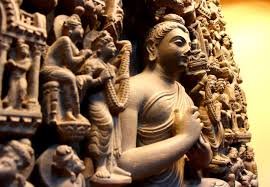
Gandhara statues from the Lahore Museum.
Source: Windswept Worlds
Redefining the Museum Experience
When the doors reopen, the public will encounter not just a restored building, but a fundamentally redefined museum experience. The project includes plans to equip the Lahore Museum with modern, interactive facilities, sophisticated security systems, and curated display techniques comparable to the world’s leading museums. The ultimate goal is to transform the institution into one of the most technologically advanced and visitor-friendly museums in all of South Asia.
View this post on Instagram
The immediate challenge for museum authorities is the meticulous, careful shifting and storage of hundreds of thousands of artifacts, a sensitive operation requiring specialized expertise. While the two-year closure will undoubtedly be felt by local and international researchers, the investment is recognized by historians and cultural commentators as a necessary sacrifice to ensure that this irreplaceable treasure trove of history is preserved and presented effectively for the next century. The restoration is a powerful, long-term commitment to the importance of intellectual and artistic heritage.
You May Like To Read: Sindh Culture Day Festival Concludes at Maritime Museum