


ISLAMABAD — A specialized digital platform, Climate Sangat, has been unveiled in the capital to centralize verifiable environmental data and provide media professionals with the tools needed to counter inaccurate environmental narratives.
Developed by the Institute for Research, Advocacy and Development (IRADA), the newly launched web portal, titled “Climate Sangat,” aims to streamline how environmental knowledge is shared across the country.
Climate Sangat is a dedicated web portal designed to facilitate exchange of reliable information and resources on climate change.https://t.co/EYEyJNeFTl
— Dawn.com (@dawn_com) June 30, 2026
The rollout took place during an interactive seminar called “Climate Baithak,” co-hosted alongside International Media Support (IMS), drawing together a diverse mix of climate reporters, fact-checkers, researchers, and community advocates.
The platform’s co-designer, Waqas Naeem, provided attendees with a walk-through of the database, explaining that the repository is split into three distinct, user-focused segments to serve different parts of public society.
A dedicated “Media Hub” equips journalists with raw research databases, localized statistics, and specific reporting frameworks to ensure accurate media coverage of accelerating ecological shifts.
Meanwhile, the “Community Action” section documents grassroots mitigation efforts and indigenous solutions, highlighting successful environmental strategies managed entirely by local populations.
For educational outreach, a “Learning Centre” houses accessible instructional modules, featuring a newly compiled Urdu dictionary of standardized scientific terms to build a unified vocabulary for environmental discourse.
The platform also introduces a comprehensive professional directory, connecting active environmental scientists, policymakers, and civic leaders to encourage direct cross-sector collaboration.
IRADA leadership noted that Pakistan’s current information ecosystem is increasingly disrupted by deceptive or heavily politicized environmental claims, making an independent, facts-first repository a national necessity.
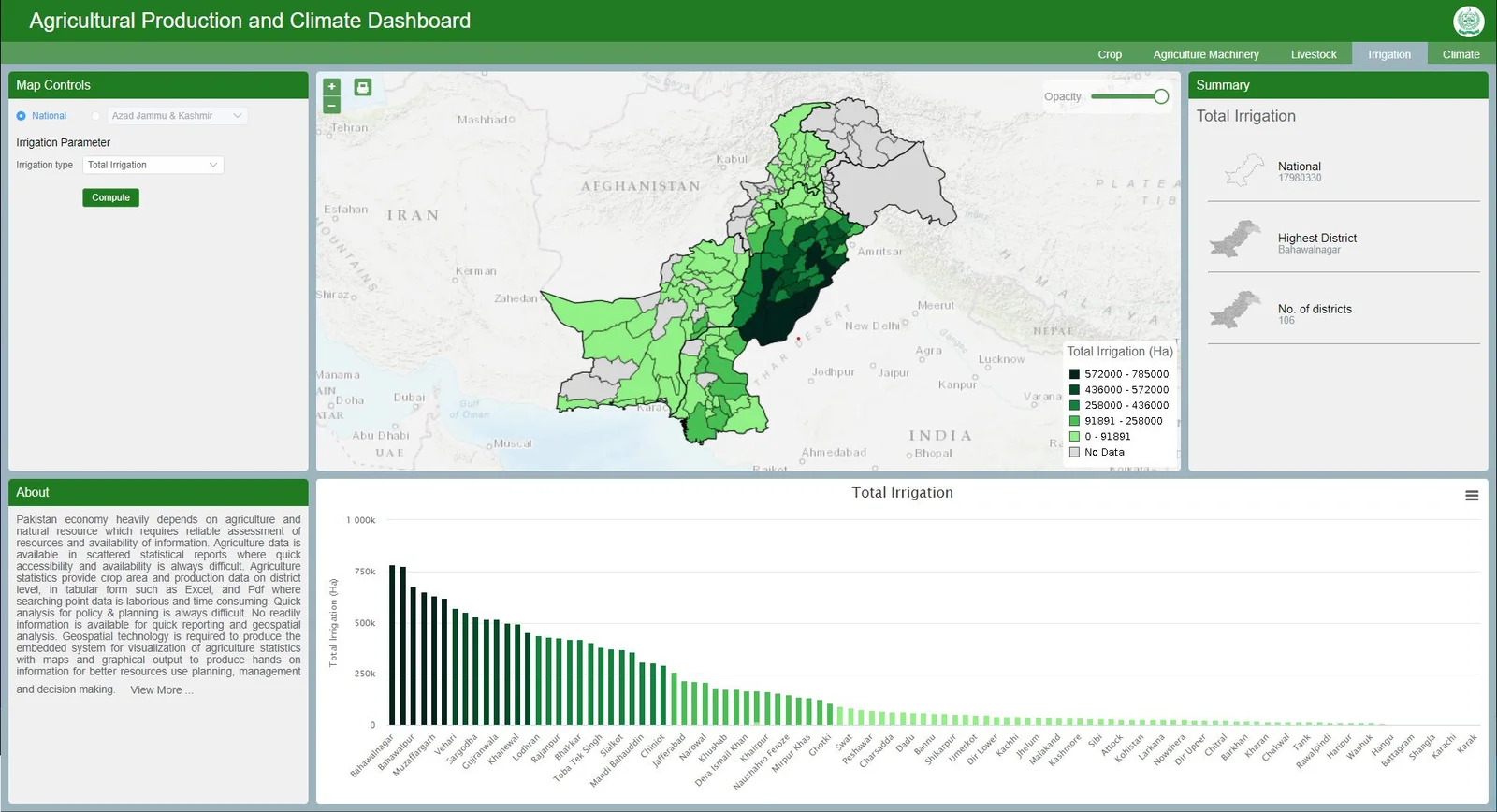
Welcoming the initiative, workshop participants suggested expanding the database by incorporating real-time interactive mapping tools, multi-decade weather trends, and translating policy briefs into regional languages to broaden public access.