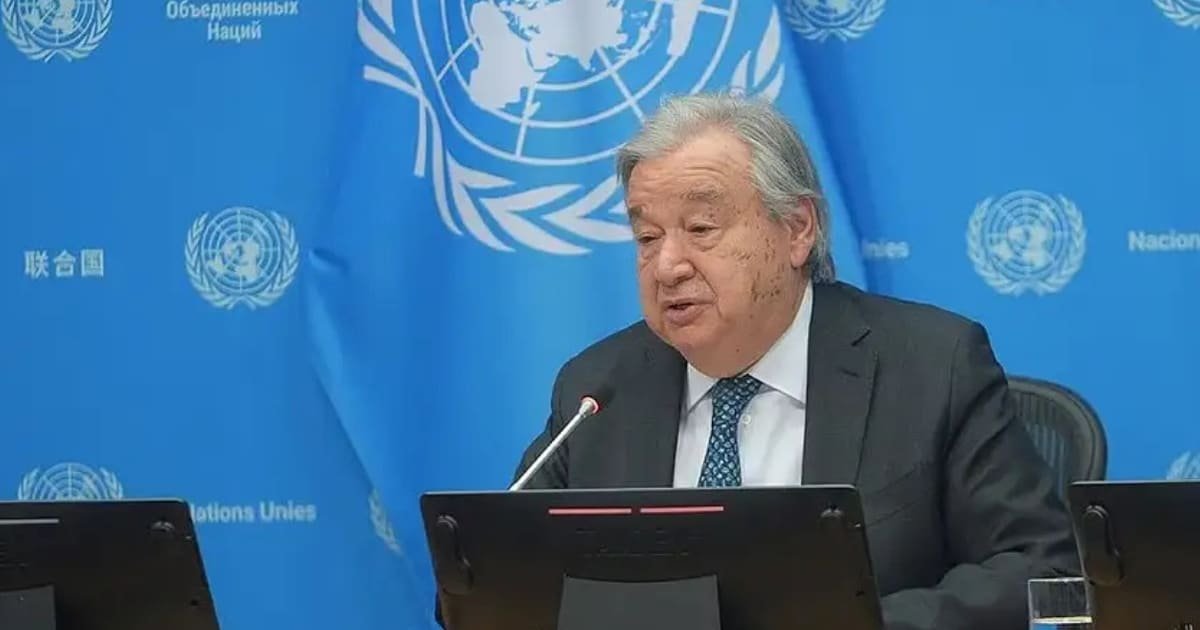



WASHINGTON (April 14, 2026) — UN Secretary-General Antonio Guterres has described the recent face-to-face negotiations between the U.S. and Iran in Pakistan as a “meaningful step” forward. Although the high-stakes session concluded without a formal treaty, the UN chief insisted that there is no military solution to the crisis and commended the diplomatic efforts to prevent a larger war.
Key Highlights
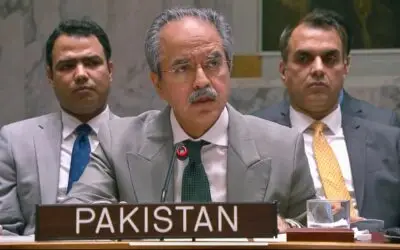
- Guterres officially thanked Pakistan, Saudi Arabia, Egypt, and Turkiye for mediating the 21-hour summit.
- Special Envoy Jean Arnault is headed to Islamabad to help solidify the ongoing peace process.
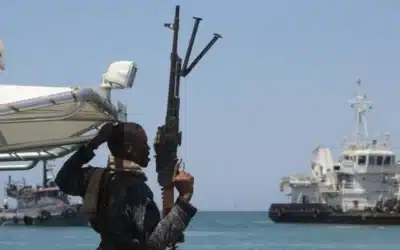
- The UN warned that the maritime standoff has stranded 20,000 seafarers and is driving up world food prices.
- The Secretary-General urged all parties to respect the current ceasefire despite “deeply rooted” disagreements.
UN Chief Urges US & Iran to ‘Seize Diplomatic Opportunity’ in Islamabad Talks 🚨
United Nations Secretary-General António Guterres has urged the United States and Iran to make full use of the diplomatic opportunity presented by the ongoing peace talks in Islamabad.According to… pic.twitter.com/rxKB3ny3kJ
— Pakistan Archive (@PakistanArchve) April 11, 2026
Focus on a peaceful resolution
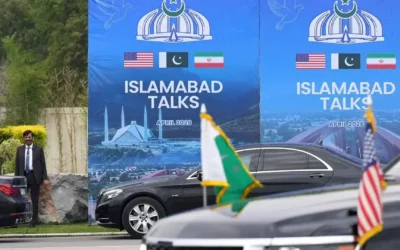
In a statement released via his spokesperson, Guterres acknowledged that ending decades of hostility is a long-term process that cannot happen in a single weekend. He emphasized that the willingness of both Washington and Tehran to sit down in Islamabad proves a serious commitment to dialogue. The UN is now calling on the international community to back these mediation efforts to ensure the region does not slip back into active combat.
Impact on world economy and food security
The UN chief also raised the alarm regarding the Strait of Hormuz, noting that disruptions to shipping are hitting global supply chains. Beyond rising fuel costs, the conflict is slowing down the delivery of essential fertilizers, which is worsening food shortages in vulnerable nations. The UN Office for Project Services is currently working with international partners to find ways to secure these vital maritime routes.
Analyzing the diplomatic gridlock
While the talks were detailed—covering nuclear concerns, sanctions, and frozen assets—experts suggest a “trust deficit” remains the primary hurdle. Iran is seeking ironclad guarantees that any agreement will be honored, while the U.S. is pushing for immediate proof of compliance. Despite these challenges, the UN believes the “Islamabad Venue” has provided a necessary framework for future rounds of diplomacy.
Next steps for the UN envoy
Special Envoy Jean Arnault’s upcoming visit to Islamabad follows a recent trip to Tehran, where he inspected civilian sites damaged by recent strikes. His mission in Pakistan will involve consulting with the country’s top leadership to bridge the remaining gaps between the two sides. The UN has signaled it will continue to use every resource available to prevent the conflict from escalating further.
You May Like To Read: Pakistan with global community begins diplomatic push for 2nd round of US-Iran negotiations
Check out our latest video: