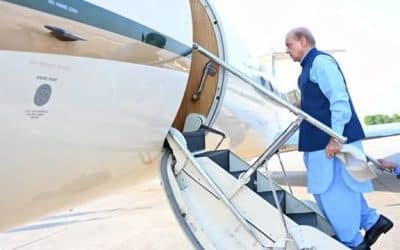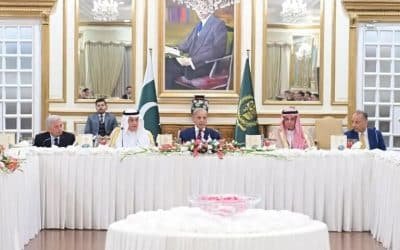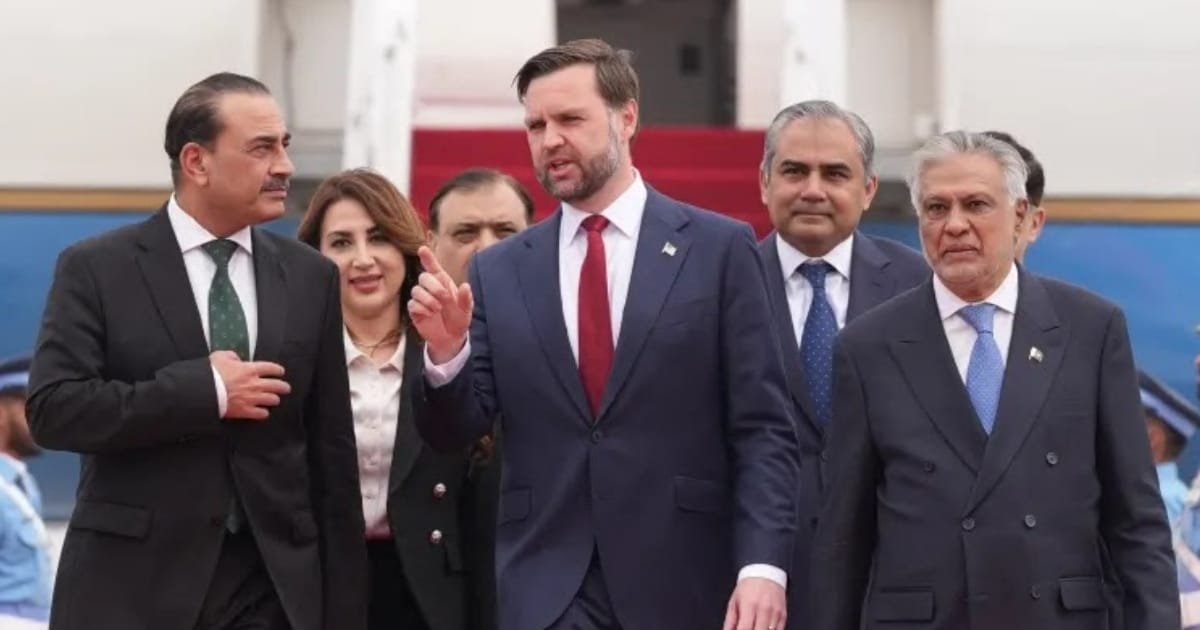



ISLAMABAD (April 11, 2026) — In a watershed moment for global diplomacy, U.S. Vice President JD Vance arrived at Nur Khan Airbase on Saturday morning to lead the first direct, high-level negotiations between Washington and Tehran since 1979. The “make-or-break” summit, brokered by Pakistan, follows a fragile two-week ceasefire that halted the US-Israeli conflict with Iran, which erupted on February 28.
US Vice President JD Vance has arrived in Islamabad to lead the US delegation in crucial talks with Iran, as Pakistan’s PM Shehbaz Sharif calls the negotiations a “make-or-break” chance for a permanent ceasefire. Al Jazeera’s Kamal Hyder reports from Islamabad. pic.twitter.com/Y3pt29VrL8
— Al Jazeera English (@AJEnglish) April 11, 2026
At a Glance: The Summit Arrival
-
The US Delegation: Led by VP JD Vance, the team includes Jared Kushner, Middle East envoy Steve Witkoff, and senior officials from the NSC, State Department, and Pentagon.
-
The Iranian Delegation: Led by Parliament Speaker Mohammad Bagher Ghalibaf and Foreign Minister Abbas Araghchi, alongside security and banking chiefs.
-
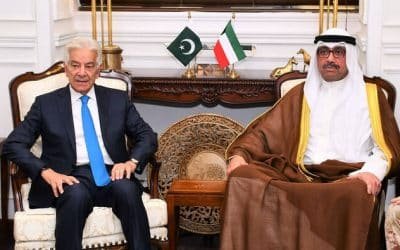
The Reception: The delegates were received by Deputy PM Ishaq Dar, Field Marshal Asim Munir, and Interior Minister Mohsin Naqvi.
-
The Stakes: Direct negotiations to end a regional war, restore shipping in the Strait of Hormuz, and address nuclear enrichment.
Midnight Diplomacy and the ‘Lebanon Red Line’
The talks nearly collapsed before they began. Tehran had conditioned its participation on a complete cessation of Israeli strikes in Lebanon, an issue that had become a “red line” for the Iranian leadership. After intense back-channel mediation by Pakistan, a last-minute understanding regarding the de-escalation in Beirut and Dahieh allowed the Iranian delegation to depart for Islamabad early Saturday morning.
Iranian Speaker Ghalibaf reiterated that while they are at the table, their “hands remain on the trigger,” emphasizing that the release of $7 billion in frozen assets and a comprehensive ceasefire across all regional fronts remain non-negotiable prerequisites for a lasting deal.
The Negotiation Table: Contentious Agendas
The talks are framed around an Iranian 10-point proposal, but both sides remain poles apart on key issues:
-
U.S. Demands: Stringent limits on Iran’s nuclear enrichment, removal of nuclear material, and a permanent end to proxy network activities.
-
Iranian Demands: Immediate and full sanctions relief, formal recognition of nuclear rights, and a guaranteed framework for safe navigation through the Strait of Hormuz.
-
The Trump Factor: Before Vance’s departure, President Trump warned that while the U.S. is negotiating in good faith, military action remains on the table if Tehran employs “stalling tactics.”
Pakistan as the Global Facilitator
Prime Minister Shehbaz Sharif, whose government has been credited with providing the “Islamabad Venue” and securing the initial truce, acknowledged the immense complexity of the task. “Pakistan will try its level best to ensure success,” the PM stated, framing the summit as a rare opportunity to transition from regional conflict to a “negotiated settlement.”
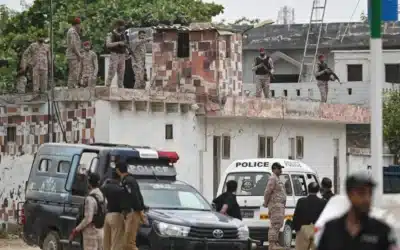
With over 16,000 security personnel sealing the Red Zone and a local holiday in effect, the capital has become a high-security fortress. Analysts suggest that while a comprehensive breakthrough is unlikely in this initial 48-hour window, the mere act of direct engagement represents a significant victory for Pakistani diplomacy and a potential cooling of a conflict that has threatened to engulf the global economy.
You May Like To Read: Rawalpindi Extends Holiday and Seals Key Arteries Amid US-Iran Negotiations in Islamabad
Check out our latest video: