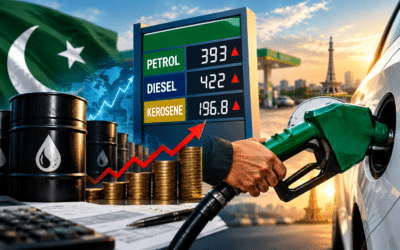
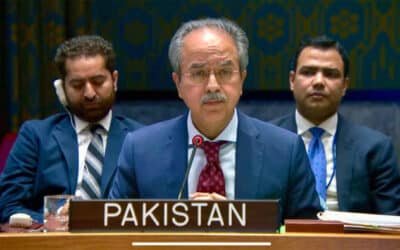
The International Monetary Fund (IMF) has intensified pressure on the Pakistani government to align domestic fuel prices with the surging global market. During ongoing virtual negotiations, the lender categorically demanded that no subsidies be provided on petroleum products, leading to a massive “fuel bomb” that saw prices jump by Rs 55 per litre at midnight on March 7, 2026.
The IMF Mandate: Eliminating Subsidies
The IMF’s primary condition for the continuation of the current bailout program is the immediate “pass-through” of international price increases to the end consumer. The lender has emphasized that the government must not utilize any fiscal space to cushion the impact on the public, as doing so would jeopardize the primary surplus targets agreed upon in the Extended Fund Facility (EFF).
Pakistan Immediately Rises Petrol Prices on IMF Pressure: Experts
Disclaimer: This post is for informational purposes only. #petrol #pakistan #newprices pic.twitter.com/BOrCaDaFHP
— Startup Pakistan (@PakStartup) March 6, 2026
- Target: A total collection of Rs 1,468 billion in Petroleum Development Levy (PDL) by the end of the fiscal year (June 30).
- Current Status: Approximately Rs 822 billion (60%) has been collected between July and December, but the recent global spike threatens the year-end goal if domestic prices are not adjusted.
Price Revision Breakdown (Effective March 7, 2026)
Following a late-night press conference by Finance Minister Muhammad Aurangzeb and Petroleum Minister Ali Pervaiz Malik, the following rates are now in effect:
| Product | Old Price (Rs) | Increase (Rs) | New Price (Rs) |
| Petrol (Motor Spirit) | 266.17 | +55.00 | 321.17 |
| High-Speed Diesel (HSD) | 280.86 | +55.00 | 335.86 |
The government has also announced that due to the extreme volatility caused by the Middle East conflict and the Strait of Hormuz closure, fuel prices will now be reviewed on a weekly basis instead of the traditional fortnightly cycle.
Global Market Pressure: The $100 Barrel Reality
The rationale behind the IMF’s demand is rooted in the “Platts” international benchmarks. Over the last six days alone:
- Petrol surged from $78 to $106.80 per barrel (37% increase).
- Diesel skyrocketed from $88 to $150 per barrel (70% increase).
“Energy and Pakistan’s economy are joined at the hip. We have taken this difficult decision to ensure the supply chain remains liquid and to prevent any fuel shortages in the country.” — Muhammad Aurangzeb, Finance Minister.
You May Like To Read: Pakistan Establishes Virtual Assets Regulatory Authority to Fulfill IMF Mandate
Conservation Measures and the March 15 Review
To mitigate the impact of the Rs 321 petrol price, the government is finalizing a “National Fuel Conservation Plan.” Proposals include:
- Work from Home (WFH): 50% of the workforce in government offices and universities to move online.
- Digital Learning: Shifting schools and colleges to online classes in the initial phase.
- Market Timings: Strict early-closure hours for shops and restaurants.
The next price review is scheduled for March 15, 2026, where experts warn that another significant hike may be necessary if global crude remains above the $90 mark.
Check out our latest video: