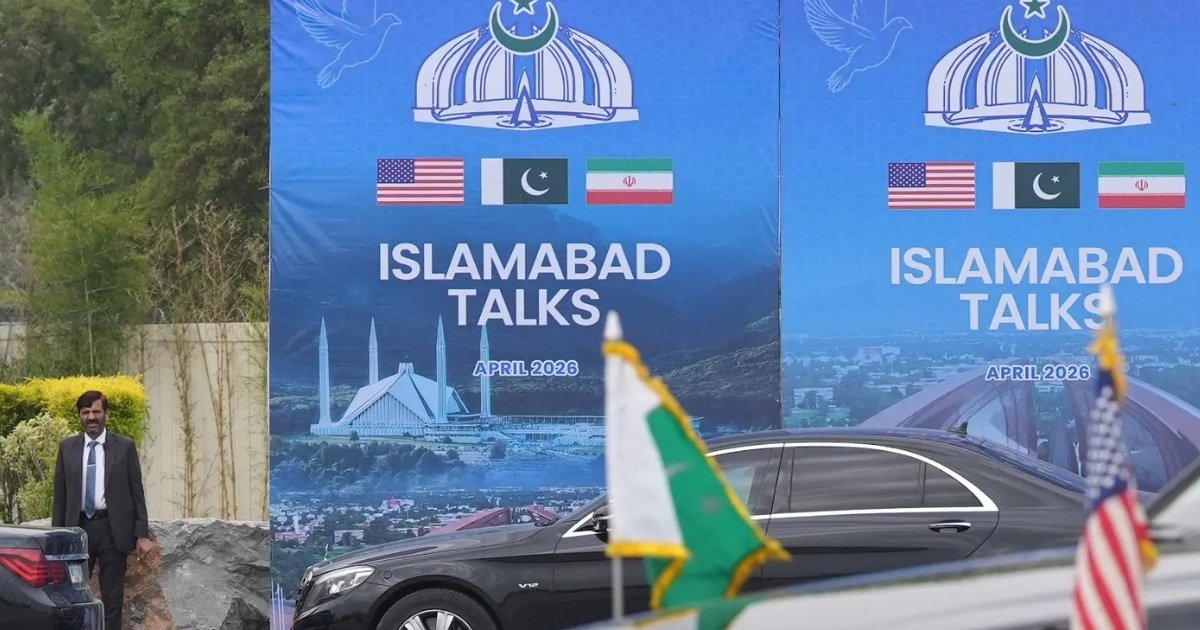


ISLAMABAD (April 14, 2026) — Pakistan and other global powers have launched an urgent diplomatic effort to bring the United States and Iran back to the negotiating table. With a fragile ceasefire set to expire on April 22, the immediate goal is to extend the truce and prevent the region from sliding back into a full-scale confrontation.
Key Highlights
- Mediators are pushing for a 45-day extension of the truce before the current April 22 deadline.
- Tehran has expressed a preference for Islamabad for the next round, while Washington is reportedly considering other locations.
- A potential U.S. naval blockade in the Strait of Hormuz is threatening to unravel the peace process.
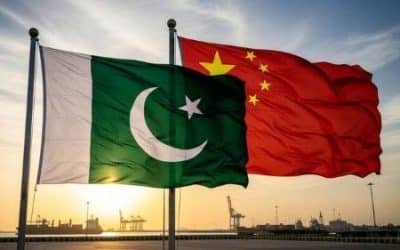
- Pakistan is leading the charge with support from China, Turkiye, Saudi Arabia, and Egypt.
🛑 2nd round of talk is expected….
Possible Proposal: ‼️
Iran said it could suspend Uranium enrichment for up to 5 years, an offer presented to US.Initially the Trump rejected the proposal but still it’s under consideration. The talks will continue & Pakistan has a role to… pic.twitter.com/asLnsH7Z60
— Conflict Watch (@ConflictWatchX) April 14, 2026
Efforts to break the circular deadlock
Despite the intensity of the recent 21-hour marathon session in Islamabad, no formal agreement was reached. Diplomats reveal that the main obstacle remains “sequencing”—Washington wants Iranian concessions before lifting pressure, while Tehran demands sanctions relief and guarantees before taking any irreversible steps. Prime Minister Shehbaz Sharif informed the cabinet that while the ceasefire is under immense “strain,” it is still holding as mediators work to resolve these hurdles.
The Strait of Hormuz flashpoint
The situation at sea has become the most dangerous threat to the peace process. The U.S. is moving toward enforcing a naval blockade to ensure free passage, a move Iran has warned would be a direct violation of the ceasefire. International partners, including China’s Wang Yi, have urged all sides to avoid escalatory actions that could reignite the conflict.
Building a global coalition for peace
In the wake of the Islamabad talks, Pakistan’s Foreign Office has been in constant contact with world leaders to consolidate support. Deputy PM Ishaq Dar held successful consultations with counterparts from Britain, China, and the Middle East. The goal is to build a broad coalition that can buy more time for technical-level discussions, which would pave the way for a second political summit.
Looking ahead to the next round
While a second round is being actively pursued, the format and location remain undecided. Iran’s preference for Islamabad stems from its comfort with Pakistan’s “brotherly” role as a mediator. Although the U.S. is reviewing its options, experts believe the venue is less important than the substance of the talks. For now, the focus remains on the looming April 22 deadline and the critical need to keep the guns silent.
You May Like To Read: PM Shehbaz Hails Historic Face-to-Face US-Iran Summit
Check out our latest video: