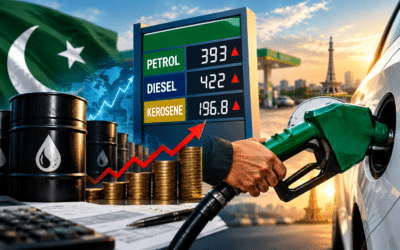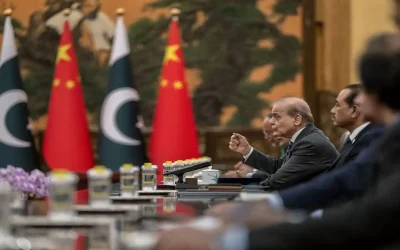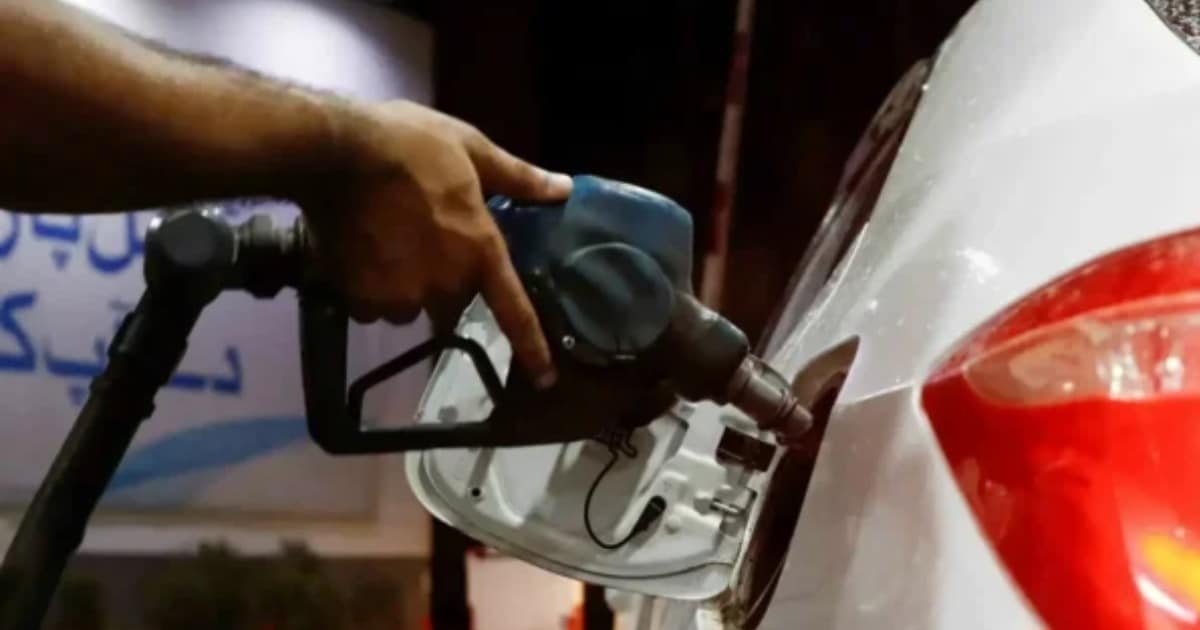





In a decisive televised address on Monday, March 9, 2026, Prime Minister Shehbaz Sharif unveiled a sweeping “National Austerity Plan” to mitigate the economic fallout from the US-Israel-Iran war. With global crude prices skyrocketing and domestic fuel costs reaching record highs, the government has moved the country into a “conservation mode” to ensure essential services remain functional.
🇵🇰 🧵
The economic challenges arising from the conflict caused by Israel’s invasion of Iran and the attacks on other brotherly nations in the region are profound.
The rise in petrol prices is the first of possibly several adverse impacts.
The Prime Minister directed the… pic.twitter.com/9SWKSgBnwz
— Mosharraf Zaidi 🇵🇰 (@mosharrafzaidi) March 9, 2026
1. Education: Online Learning and School Closures
To reduce the massive fuel consumption associated with student transport, the government has restructured the academic calendar for the second half of March:
- Schools: A complete two-week closure for all primary and secondary schools from March 16 to March 31.
- Higher Education: All universities and colleges must shift to online classes during the same period.
- Exceptions: Ongoing board examinations will proceed as scheduled, though with strict transport pooling requirements.
2. Public Sector: 4-Day Work Week and WFH
The federal and provincial governments have overhauled workplace operations to slash the “fuel bill” of the bureaucracy:
- Work Week: Offices will operate only four days a week (Monday to Thursday).
- Work-from-Home (WFH): 50% of public and private sector staff must work remotely.
- Exemptions: This does not apply to the banking sector, emergency health services, or law enforcement.
3. Leadership Austerity: Forgoing Salaries and Perks
In a symbolic move to “share the burden,” the political elite have announced significant personal financial sacrifices:
- Salaries: The Prime Minister, Federal Cabinet, and Provincial Cabinet members will voluntarily forgo their salaries and allowances for the next two months.
- Parliamentarians: Members of the National Assembly and Provincial Assemblies will face a 25% salary cut.
- High-Ranking Officials: BS-20 and above officers earning over Rs 300,000 will contribute two days’ salary to the national relief effort.
4. Operational Cuts: Grounding Official Vehicles
The most direct impact on fuel consumption will come from a massive reduction in government mobility:
- Fuel Quotas: A 50% cut in fuel allowances for all official vehicles (excluding ambulances and public buses).
- Vehicle Grounding: 60% of the government fleet will be grounded for the next 60 days.
- Foreign Travel: A total ban on foreign trips for ministers and officials, unless deemed “critically essential” for national interest.
“The world is facing new challenges, and Pakistan must show unity. My head was at war with my heart over the fuel prices, but we must protect our reserves to keep the country running.” — Shehbaz Sharif, Prime Minister of Pakistan.
You May Like To Read: Oil Prices Jump Sharply as Iran Conflict Hits Global Supplies
Strategic Context: The $120 Barrel and IMF Pressure
The Prime Minister’s address confirmed that the recent Rs 55 per litre hike was a “middle road” choice, as technical advisers had suggested an even steeper increase to match the $119.50/barrel Brent crude rate. By implementing these austerity measures, the government hopes to avoid another immediate hike before the March 15 review while staying within the IMF’s primary surplus targets.
Check out our latest video: