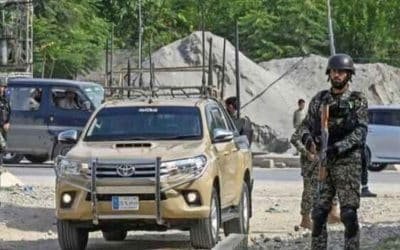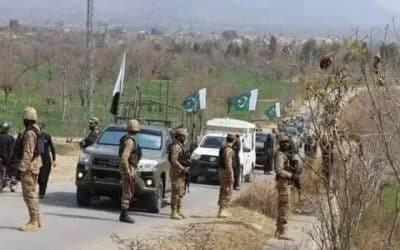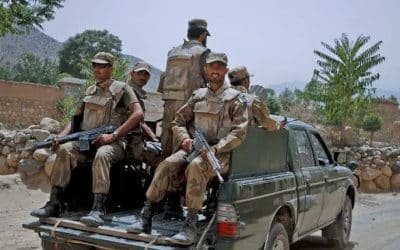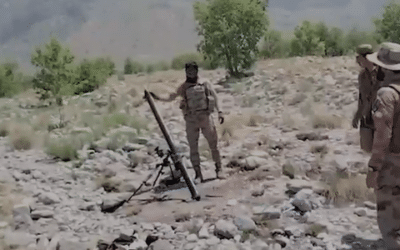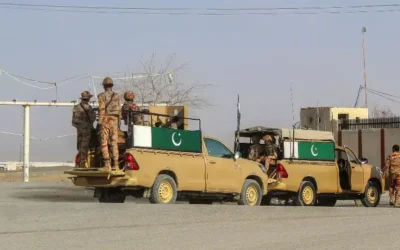



NORTH WAZIRISTAN / ISLAMABAD — In a precise tactical engagement along the Pak-Afghan border, Pakistani security forces killed eight terrorists on Wednesday, according to a statement released by the Inter-Services Public Relations (ISPR) on Thursday. The military’s media wing confirmed that the group belonged to “Fitna al Khawarij” (banned TTP) and were acting as “Indian proxies” attempting to infiltrate Pakistani territory.
وزیرِ اعظم محمد شہباز شریف کی شمالی وزیرِستان میں پاک افغان سرحدی علاقے میں فتنہ الخوارج کے خلاف کامیاب آپریشن پر سیکیورٹی فورسز کے افسران و اہلکاروں کی پذیرائی۔
وزیرِ اعظم کی کارروائی میں آٹھ خارجیوں کو جہنم رسید کرنے پر سیکیورٹی فورسز کے افسران و اہلکاروں کی پیشہ ورانہ… pic.twitter.com/yXMbzZ7AkP
— Government of Pakistan (@GovtofPakistan) April 2, 2026
Key Highlights
-
The Engagement: Security forces intercepted a group of khawarij moving along the border in North Waziristan.
-
Casualties: 8 terrorists were killed; a significant cache of weapons and ammunition was recovered.
-
Border Management Failure: The ISPR noted that the infiltration “substantiates the abject failure of the Afghan Taliban regime” to manage their side of the border.
-
Political Consensus: President Asif Ali Zardari and Interior Minister Mohsin Naqvi praised the “timely and effective” action, reiterating demands for Kabul to deny the use of Afghan soil for terrorism.
Surgical Precision Under ‘Azm-e-Istehkam’
The military reported that the movement was “picked up” by surveillance units, leading to a “skilful engagement” that neutralized the entire group. Following the shootout, sanitization operations were launched to ensure no other “Indian-sponsored” elements remained in the vicinity.
The ISPR emphasized that this operation is part of the broader Vision ‘Azm-e-Istehkam’, a relentless counter-terrorism campaign approved by the Federal Apex Committee to wipe out foreign-supported militancy.
Diplomatic Friction with Kabul
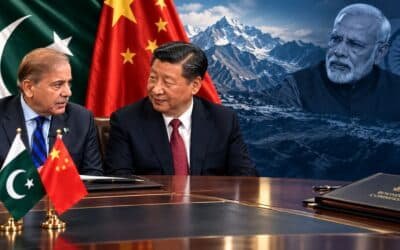
The incident occurred just 24 hours after a trilateral meeting between Pakistan, Afghanistan, and China in Urumqi. While China has been pushing for confidence-building measures and the reopening of trade routes, the ISPR’s latest statement reflects Islamabad’s deepening frustration with the Afghan interim government.
The Military’s Demands:
-
Obligation Fulfillment: Kabul must fulfill international obligations to prevent its territory from being used for cross-border attacks.
-
Citizen Involvement: The ISPR specifically called out the involvement of Afghan citizens in terrorist activities inside Pakistan.
🚨#ISPR
Rawalpindi, 02 April, 2026On 1 April 2026, movement of a group of khwarij along #Pakistan–#Afghanistan border in North Waziristan District was picked up by the security forces.
Our troops effectively engaged this group of khwarij. As a result of precise and skillful… pic.twitter.com/asUko0uyuj
— Pakistan Armed Forces News 🇵🇰 (@PakistanFauj) April 2, 2026
The Context of Operation Ghazab lil-Haq
This border engagement is a continuation of the heightened military posture under Operation Ghazab lil-Haq, which was launched on February 26 following unprovoked firing by Afghan forces.
-
Status: The operation recently resumed after a five-day pause for Eidul Fitr.
-
Objective: The Foreign Office has stated that the operation will continue “until its objectives are achieved,” which include the dismantling of TTP sanctuaries across the border.
National Response
President Asif Ali Zardari paid tribute to the soldiers, stating that their role in defending the frontiers is a “source of pride.” Interior Minister Mohsin Naqvi echoed these sentiments, saluting the forces for “thwarting the nefarious designs” of militants.
The persistent use of the term “Fitna al Khawarij” by both military and civilian leadership reinforces the state’s ideological stance against the TTP, labeling them as “outcasts” from the Islamic faith and the Pakistani nation.
You May Like To Read: March Casualties Drop by 35% as Operation Ghazab lil-Haq Disrupts Militant Groups
Check out our latest video: