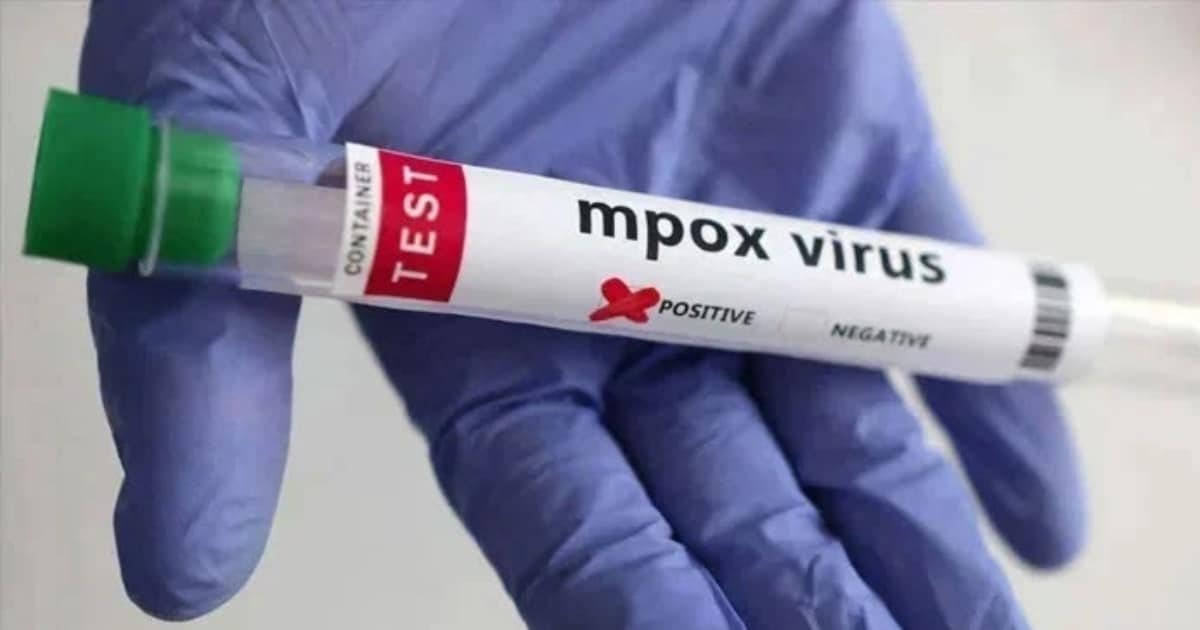





KARACHI / KHAIRPUR — Leading medical experts at the Aga Khan University Hospital (AKUH) have sounded an urgent alarm following a deadly outbreak of mpox (formerly monkeypox) in Khairpur, which claimed the lives of four newborn babies. During a media roundtable on Wednesday, infectious disease specialists warned that the virus is no longer confined to travelers, signaling a dangerous shift toward local community transmission within Pakistan.
Worrisome child health situation involving death of seven newborns in two Khairpur hospitals took an alarming turn when provincial health department confirmed that “initial findings showed that four of the seven children [who died] were affected by mpox”. https://t.co/nIwK2GhwIN
— Asad Ali Toor (@AsadAToor) April 5, 2026
The Khairpur Outbreak: A Critical Warning
The Sindh Health Department confirmed that an investigation into “unusual skin pimples” in Khairpur, first reported on March 14, has revealed a cluster of seven confirmed cases among newborns.
-
Fatalities: Four of the seven infected infants have died.
-
Current Status: One child from the Khairpur cluster is currently undergoing treatment at AKUH in Karachi; doctors report the patient is in stable condition.
-
Healthcare Vulnerability: Experts believe the virus may have entered healthcare settings in Khairpur, exposing “critical gaps” in infection control in smaller towns.
Shifting Patterns: Local vs. Travel-Related
In 2025, Pakistan recorded 53 cases of mpox, the vast majority of which were linked to international travel. However, 2026 has seen a worrying change in the data:
-
Local Transmission: One of the two cases confirmed in Karachi this year has no travel history, suggesting the virus is circulating locally.
-
Zoonotic Nature: While mpox is a zoonotic viral infection (transmitted from animals to humans), physical skin-to-skin contact is the primary driver of the current human-to-human spread.
Understanding Mpox: Symptoms and Risks
Dr. Faisal Mahmood and Dr. Fatima Mir of AKUH emphasized that early detection is the only way to prevent a wider epidemic.
Sure, here’s the breakdown on mpox (formerly monkeypox):
It’s a viral infection from the monkeypox virus (orthopox family, related to smallpox but usually milder). Symptoms start with fever, headache, muscle pain, swollen lymph nodes, then a rash/lesions (often genital/face)…
— Grok (@grok) April 2, 2026
Transmission Routes:
-
Direct Contact: Skin-to-skin contact with infected lesions.
-
Contaminated Items: Sharing bedding, clothing, or unsterilized medical equipment.
-
Maternal-to-Child: Transmission during pregnancy or birth (suspected in the Khairpur newborn cases).
-
Respiratory: Droplets during prolonged, face-to-face contact (not airborne).
Key Symptoms to Watch For:
-
High Fever and swollen lymph nodes.
-
Distinctive Rash: Lesions often appearing on the face, palms, soles, and genital areas.
-
Vulnerable Groups: Newborns, pregnant women, and the immunocompromised are at the highest risk for severe illness.
Public Health Directives
The medical community has urged the Sindh government and healthcare providers to treat mpox as an immediate public health concern.
-
Immediate Isolation: Anyone showing symptoms must isolate and avoid physical contact with others.
-
21-Day Monitoring: Individuals exposed to a confirmed case should monitor their health for three weeks.
-
Infection Control: Maternity and neonatal wards across the province have been advised to reinforce sterilization protocols to prevent cross-infection.
“We are at a moment where awareness can make the difference between containment and spread,” warned Dr. Faisal Mahmood. “Ignoring symptoms and delaying isolation is what leads to uncontrolled outbreaks.”
You May Like To Read: A Brave Reveal: Mamya Shajaffar Shares Her Battle with Lupus
Check out our latest video: