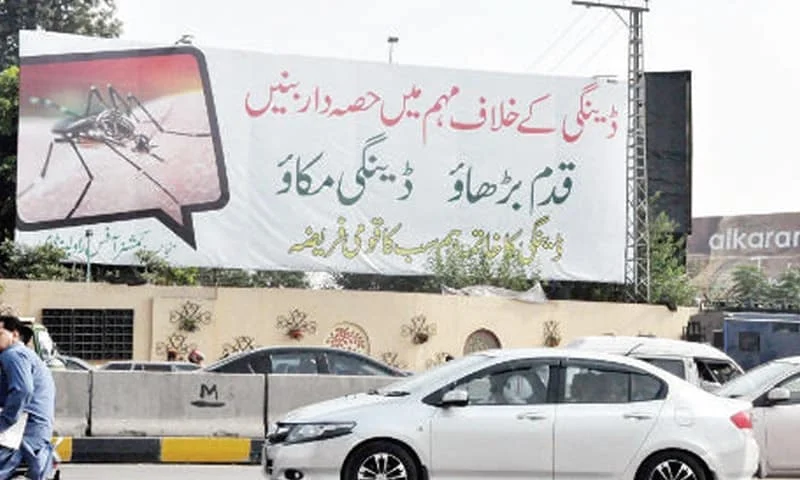





RAWALPINDI — Local authorities have placed 16 union councils and cantonment wards on high alert, classifying them as vulnerable zones requiring urgent anti-dengue interventions. The District Health Authority has been ordered to execute rigorous surveillance and sanitation operations in these specific neighborhoods to eliminate mosquito breeding grounds before the seasonal risk escalates.
Key Details
- A total of 16 residential sectors and cantonment divisions, including Shakrial, Khanna Dak, and Dhamial, have been categorized as high-risk areas.
- Over 670 specialized teams are actively working on the ground to inspect homes and eliminate standing water sources.
- Past data highlights the historical weight of the threat, with 2,871 cases emerging from these specific locations in 2024 and 529 in 2025.
- The administration has adopted a strict accountability policy, warning field staff against any lapses in surveillance.
- Neighbors are being engaged directly through community spaces and places of worship to encourage household prevention.
During a recent meeting of the District Emergency and Control Committee—attended by MNA Tahira Aurangzeb and senior medical officers—Deputy Commissioner Dr. Hassan Waqar Cheema finalized an operational strategy to systematically clear these neighborhoods. The administration has mobilized 515 teams to inspect 213,569 houses, alongside 157 teams targeting 46,789 potential breeding sites. Dedicated personnel are carrying out close monitoring of common outdoor breeding havens, including local tire shops, scrap yards, and active construction sites, with a firm completion deadline of June 15.
To bridge the gap between state action and civic responsibility, health officials are coordinating with area dignitaries and organizing awareness announcements through local mosques whenever larvae are detected nearby. Residents are being reminded to look after their living spaces by keeping water containers securely covered to protect their families.