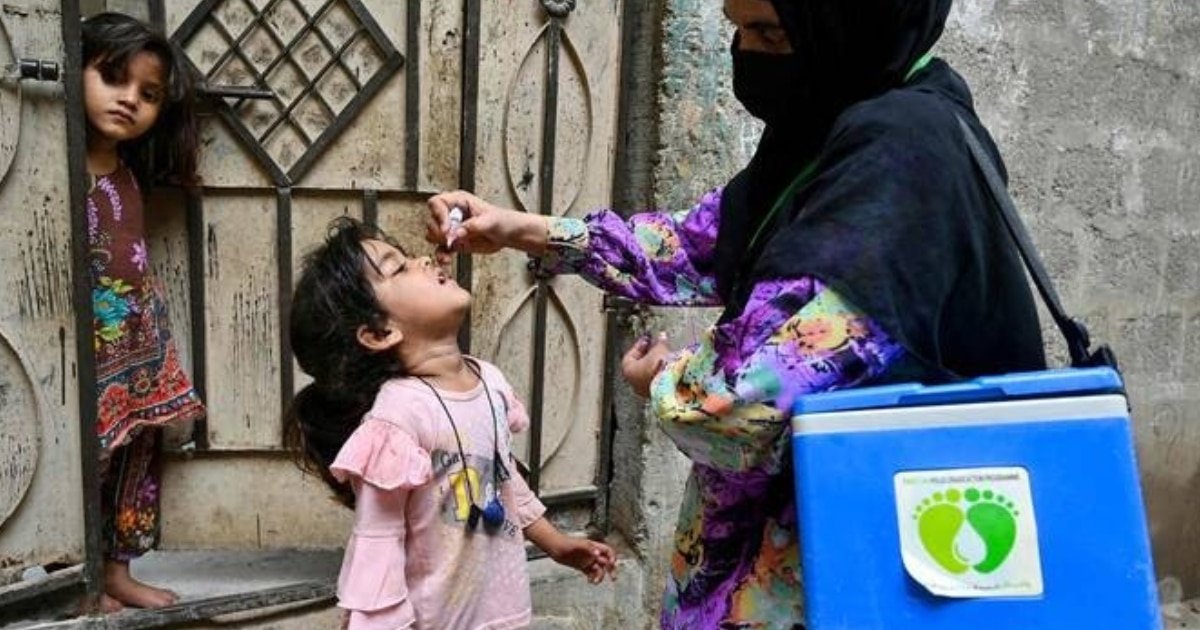





ISLAMABAD (May 1, 2026) — Pakistan’s polio tally for the current year has risen to three after two new cases were confirmed in Khyber Pakhtunkhwa (KP) on Friday. According to the National Emergency Operations Center for Polio Eradication (NEOC), the wild poliovirus type 1 (WPV1) was detected in children from the Bannu and North Waziristan districts. These cases were validated by the WHO-accredited Regional Reference Laboratory at the National Institute of Health (NIH), marking a concerning start to the high transmission season.
Pakistan reports two new polio cases in KP, bringing the 2026 total to three. Despite major progress, health officials warn the virus still poses a risk in vulnerable areas.
Vaccination campaigns continue nationwide, with millions of children targeted to stop the spread. pic.twitter.com/lo1xp96BJA— HUM News English (@humnews_english) May 1, 2026
Quick Facts
- Two new polio cases confirmed in Bannu and North Waziristan, bringing the 2026 total to three.
- The first case of the year was previously reported from Sindh.
- Access constraints in border districts continue to hinder vaccination efforts and facilitate virus transmission.
- Health officials warn that rising temperatures are triggering an early start to the high transmission season.
- Pakistan and Afghanistan remain the only two countries globally where the wild poliovirus is still endemic.
Official sources indicate that the sudden increase in regional heat has accelerated the virus’s activity. While the high transmission period typically spans from late May to September, the early detection of cases suggests the virus is becoming active sooner than expected due to favorable climate conditions.
The Pakistan Polio Eradication Program emphasized that security challenges and limited access to specific pockets in KP remain significant hurdles. These “access-constrained” areas allow the virus to circulate undetected, posing a continuous threat to under-immunized children across the country.
Health experts reiterate that polio is an incurable paralyzing disease that can only be prevented through multiple doses of the oral polio vaccine (OPV). Despite frequent nationwide immunization drives, the presence of the virus necessitates strict adherence to the routine vaccination schedule for all children under the age of five. Since 2014, the World Health Organization has maintained travel restrictions on Pakistan, requiring all international travelers to possess a valid polio vaccination certificate.
You May Like To Read: President Zardari seeks Chinese expertise in seed tech and modern farming
Check out our latest video: