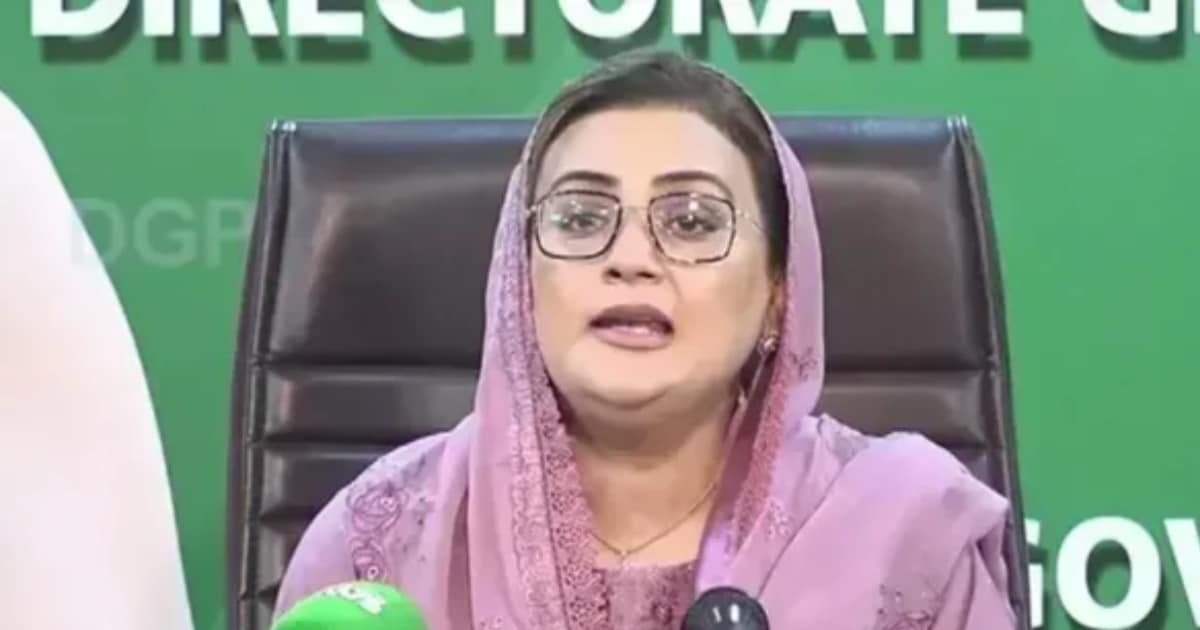





LAHORE — In a major shift in provincial governance, the Punjab government has officially “divorced” political influence from the administrative machinery. Information Minister Azma Bokhari confirmed on Saturday, January 31, 2026, that Chief Minister Maryam Nawaz has enforced a zero-tolerance policy against Sifarish (political recommendation) for all civil and police postings.
The Merit-Only Mandate
The new policy aims to dismantle the traditional “patronage network” where local MPAs and MNAs historically dictated the appointments of SHOs, Assistant Commissioners, and Patwaris in their constituencies.
- No Reference Policy: Ms. Bokhari stated that not a single appointment, even at the SHO level, is being made based on a lawmaker’s reference.
- Bureaucratic Neutrality: The administration has reportedly retained several officers associated with the opposition (PTI) solely because they met professional merit criteria.
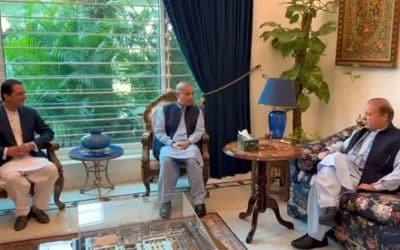
- Nawaz Sharif’s Backing: Despite internal friction—where some PML-N lawmakers complained to party supremo Nawaz Sharif about being ignored by the bureaucracy—the party head reportedly rebuffed them, stating that the “merit system” takes precedence.
To the iron lady who remained steadfast during darkest of times, against cruelest of enemies,
You gave us hope when the times were tough, you walked the way, you gave us energy.
Wishing you a very happy birthday @MaryamNSharif pic.twitter.com/MESvP2Wgd6— Sania Ashiq (@SaniaaAshiq) October 27, 2025
Digital Guardrails: e-Governance & Transparency
To ensure these reforms aren’t just verbal, the Punjab government has introduced structural digital barriers:
1. e-FOAS & e-Procurement
Administrative functions—including ACRs, leave management, and transfers—are now consolidated under the e-Filing and Office Automation System (e-FOAS).
- Real-time Tracking: Senior management can now monitor file movements, with the system automatically flagging delays to prevent “discretionary bottlenecks.”
- Training: Over 14,000 officials across 6,600+ offices have been trained to manage this transition.
2. Development Fund Oversight
Lawmakers have been explicitly excluded from directly handling development funds.
- Role Change: MPAs can suggest projects and provide oversight, but they cannot manage the spending.
- Third-Party Validation: Mandatory independent audits have been introduced for all development schemes to minimize cost overruns and human intervention.
Governance Scorecard: Punjab 2026
| Feature | Old Model (Pre-2024) | New Model (2026) |
| Postings/Transfers | Political Sifarish / MPAs dictate SHOs. | 100% Merit-based / CM’s direct evaluation. |
| Development Funds | Discretionary funds to lawmakers. | Digital spending via e-Procurement. |
| Bureaucracy | Ad hoc political transfers. | e-FOAS digital file management. |
| Tenders | Manual / Risk of favoritism. | e-Tendering / Open digital bidding. |
The “Billion-Rupee” Safeguard
The Minister noted that the shift to digital bidding and e-procurement has already resulted in “notable savings” for the public exchequer by encouraging healthy competition and reducing the “middle-man” culture in contract awards.
The government is also launching an e-Biz Portal to streamline NOC acquisitions.
You May Also Like: AGP Audit Remarks Cannot Be Used to Initiate Tax Proceedings, Supreme Court of Pakistan
Check out our latest video: