




In Pakistan’s growing startup culture, young minds are turning bold ideas into real businesses—from fashion and tech to health and design. Yet one silent enemy continues to steal their dreams: counterfeit goods.
Illegal copies of original products not only deprive creators of revenue but also erode motivation, damage reputations, and hinder innovation. However, a silent but intense crackdown is underway. Through a series of coordinated Intellectual Property Rights (IPR) raids, Pakistani authorities are now targeting the heart of counterfeit networks—shutting down warehouses of fake goods across major cities.
For young entrepreneurs, this isn’t just a legal battle—it’s personal.
Counterfeit Goods: A Growing Threat
Fake goods are cheap, unauthorized copies of genuine products. They hijack logos, steal designs, and flood markets with low-quality imitations. Globally, the counterfeit trade was valued at over $500 billion in 2016—and it has only grown since then.
In Pakistan, counterfeit markets affect nearly every sector, including fashion, electronics, auto parts, cosmetics, and even medicines.
Why It Matters
- Billions in losses: The Pakistani economy incurs billions of rupees in annual losses due to counterfeiting.
- Consumer safety: Fake medicines and auto parts can be dangerous—even deadly.
- Crushing creativity: When copycats thrive, real creators suffer.
- National image: Investor confidence erodes in markets where counterfeiting is unchecked.
What Are Intellectual Property Rights (IPR)?
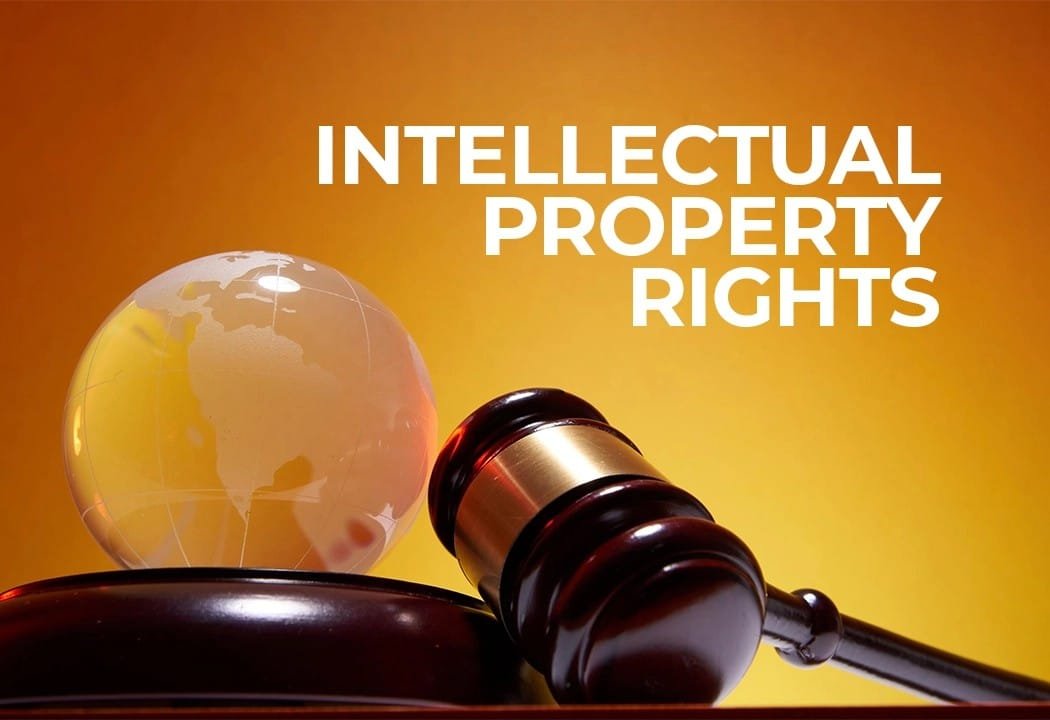
Just like land or vehicles, intellectual creations are also a form of property. IPR laws give legal protection to original ideas and products.
According to the World Intellectual Property Organization (WIPO), IPR includes:
- Copyrights for music, books, art, and software.
- Trademarks for brand names, logos, and slogans.
- Patents for inventions and unique processes.
- Designs that protect the look and feel of products.
These laws motivate innovation by giving creators the legal control to benefit from their work.
Inside the Crackdown: How Raids Work
The Intellectual Property Organization of Pakistan (IPO-Pakistan) is the primary agency responsible for overseeing IPR regulation. Enforcement, however, often falls to the Federal Investigation Agency (FIA) and local police, as documented by the Pakistan Institute for Parliamentary Services.
Key Steps in the Crackdown
- Targeted Raids: Authorities identify high-risk sectors like auto parts, electronics, and FMCGs.
- Intelligence-led action: Using tip-offs and surveillance, agencies conduct coordinated raids.
- Cross-agency coordination: IPO, FIA, customs, and police frequently collaborate.
- Legal action: Arrests are made, and cases are filed under IPR laws to deter further violations.
Recent Successes: Real Action, Real Impact
Between 2023 and 2025, Pakistan intensified its IPR enforcement efforts.
- In March 2024, the FIA raided a counterfeit medicine factory in Islamabad, arresting multiple suspects.
- Warehouses across urban centers have been dismantled, disrupting counterfeiters’ supply chains.
Why It Hurts the Youth the Most
Young Pakistani entrepreneurs are the most vulnerable. Their businesses run on limited budgets, but endless passion. Counterfeiting destroys their momentum before they can scale.
How Fake Goods Destroy Dreams
- Design theft: Unique clothing lines and digital products are copied and sold at a low price.
- Loss of revenue: Legitimate businesses lose market share and struggle to survive.
- Reputational damage: Consumers blame original brands when fake goods underperform.
- Fear of innovation: When theft is easier than protection, innovation tends to decline.
- Investor hesitation: Weak IPR enforcement makes investors pull back.
Economic Stakes: Why IPR Is a National Concern
Counterfeiting is not a minor inconvenience—it’s a direct hit to Pakistan’s economic engine.
Why It Matters for Pakistan
- Tax evasion: The black-market sale of fake goods means no tax revenue. Pakistan already struggles with collection, as shown by SBP data.
- Employment loss: Real businesses create real jobs. Counterfeit operations don’t.
- Foreign investment: World Bank data shows Pakistan’s FDI as under 1% of GDP—a signal that trust needs rebuilding.
- Fair competition: Without protection, honest innovation is punished.
The Road Ahead: What Must Be Done
Despite recent progress, the challenge remains vast.
Ongoing Challenges
- Scale of problem: Counterfeit networks are deeply entrenched.
- Consumer habits: Price-conscious buyers knowingly choose fakes.
- E-commerce loopholes: Fake goods circulate freely online.
- Slow prosecution: Legal delays weaken the deterrent effect.
National Strategy Needed
- Update IPR laws to match global tech and innovation trends.
- Strengthen enforcement through improved technology, training, and coordination.
- Launch public awareness campaigns about the risks associated with counterfeit goods.
- Support entrepreneurs through legal aid and fast IPR registration.
- Expand global cooperation to disrupt cross-border counterfeit networks.
A Message of Hope
These IPR raids are more than law enforcement—they’re national service.
By dismantling fake goods warehouses, Pakistan is protecting innovation, job creation, and the spirit of entrepreneurship. It’s defending the dreams of youth and the promise of national progress.
The message is clear: in the new Pakistan, innovation will be defended, not stolen.