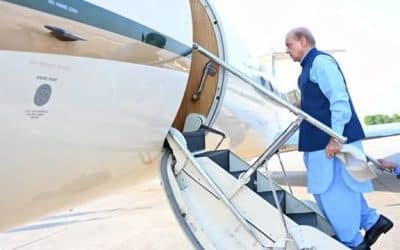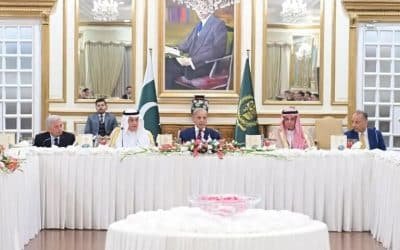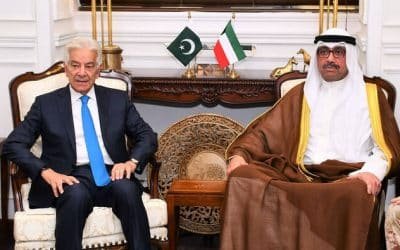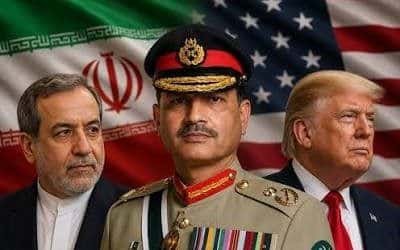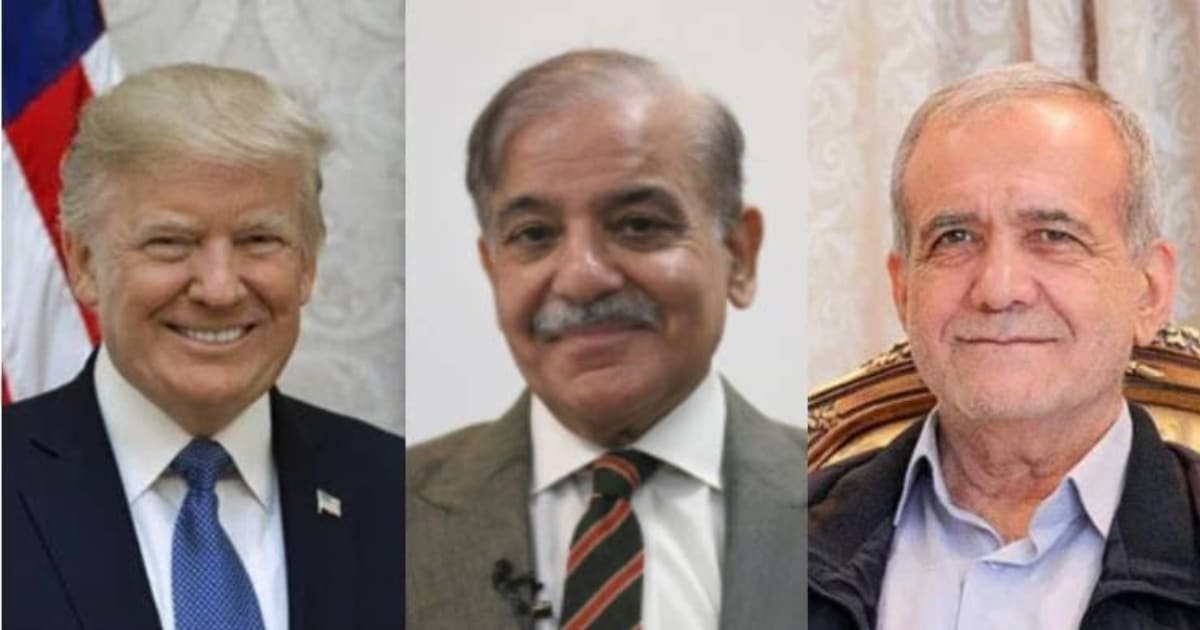


ISLAMABAD (April 13, 2026) — In a deeply personal and televised address to the federal cabinet on Monday, Prime Minister Shehbaz Sharif characterized the weekend’s high-stakes negotiations between the United States and Iran as a “historic moment” for global stability. Breaking his silence after the conclusion of the marathon 21-hour session, the Premier revealed that despite the lack of an immediate breakthrough, the two-week ceasefire remains intact and “full efforts” are underway to resolve the remaining points of contention.
At a Glance: The Premier’s Briefing
-
The Breakthrough: For the first time in 47 years, American and Iranian delegations sat face-to-face in a direct dialogue mediated by Pakistan.
-
The “Islamabad Venue”: PM Shehbaz described the talks as a rare opportunity to turn “looming clouds of war into lasting peace.”
-
The Ceasefire: The Prime Minister confirmed that the two-week truce brokered on April 8 still holds, despite the immense pressure on both sides.
-
Global Recognition: Leaders from Japan and Europe have reached out to congratulate Pakistan on its pivotal role in de-escalating the Middle East crisis.
اسلام آباد: 13 اپریل 2026.
وزیرِ اعظم محمد شہباز شریف کی زیرِ صدارت وفاقی کابینہ کا خصوصی اجلاس آج اسلام آباد میں منعقد ہوا.
وزیرِ اعظم نے وفاقی کابینہ کے اجلاس میں خطے کی صورتحال اور پاکستان کی امن کیلئے کوششوں کے حوالے سے گفتگو کی.
وفاقی کابینہ نے اتفاقِ رائے سے قرارداد… pic.twitter.com/l5IWmtKa5g
— Prime Minister’s Office (@PakPMO) April 13, 2026
21 Hours on the Brink
The Prime Minister provided a rare glimpse into the intensity of the negotiations, noting that teams led by U.S. Vice President JD Vance and Iranian Speaker Mohammad Bagher Ghalibaf negotiated continuously for nearly a full day. He shared that there were harrowing moments when “matters were close to falling apart,” but were saved by the persistence of the mediators.
PM Shehbaz particularly lauded the “wisdom” and “sleepless nights” of Deputy PM Ishaq Dar and Field Marshal Asim Munir. “I am a witness to it,” the PM stated, adding that the secrets of those tense hours are “buried in my heart,” but the result is a world that has avoided, for now, a catastrophic escalation.
Lessons from History
Addressing the skeptics who noted the absence of a final signed treaty, the Prime Minister drew parallels to the Oslo Accords and the Good Friday Agreement. He reminded the cabinet—and the world—that ending half a century of hostility takes more than a single weekend. “It took months and sometimes years to end hostilities in those cases,” he remarked, framing the Islamabad Talks as the essential first step in a long-term process.
The Road Ahead
The cabinet adopted a formal resolution expressing gratitude for Pakistan’s “central role for peace in the region.” The statement comes at a critical time, following Donald Trump’s earlier “8:00 P.M. deadline” that threatened the destruction of “a whole civilization.”
While the Prime Minister acknowledged the complexity of issues like nuclear enrichment and the Strait of Hormuz, he remained optimistic. He noted that the separate statements issued by Washington and Tehran after the talks contained “commonalities” and both expressed gratitude to Pakistan’s political and military leadership for playing a “brotherly role.”
As the delegations return to their respective capitals, the Prime Minister’s message was clear: the window for diplomacy remains open, and for 240 million Pakistanis, the “Islamabad Venue” has become a source of national pride and a beacon of hope for a world teetering on the edge of conflict.
You May Like To Read: “Not a Failure”: Maulana Fazlur Rehman Optimistic for Second Round of US-Iran Dialogue
Check out our latest video: