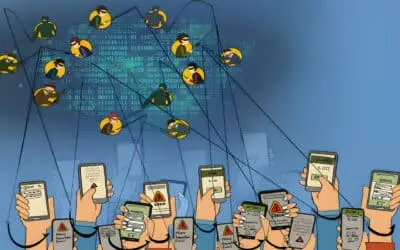


Pakistan faces a wave of digital attacks from outside its borders. These are not normal cybercrimes. They are well-planned efforts to change what people believe. Countries like India, Afghanistan, and Iran have all used online tricks to make Pakistan look weak or dangerous. They run fake accounts. They use bots to spread certain hashtags.
In 2021, campaigns pushed hashtags like #SanctionPakistan and #CivilWarinPakistan. Millions saw them. These were not regular posts. They were part of influence operations, planned moves to create fear and hate online. Iran’s state media also posted harmful stories. Research showed that about one-third of the accounts spreading anti-Pakistan content had links to Iran’s own news networks.
Role of Foreign Intelligence Agencies
These online attacks are part of what experts call information warfare. Indian and Afghan intelligence use social media to cause confusion in Pakistan. Around the time of the Afghan peace talks, bots spread lies about Pakistan’s work on CPEC and FATF. They said Pakistan was unstable and under threat.
These campaigns were not random. Analysts say that many posts came from Afghan-linked accounts. Some worked with hostile networks that shared the same goal: to create chaos in Pakistan.

Source: South Asia Voices

Source: Tribune
Local Political Actors Also Spread Disinformation
Not all the disinformation comes from outside. Inside Pakistan, political parties and pressure groups also use fake news. They spread false claims, audio leaks, and edited videos.
Memogate
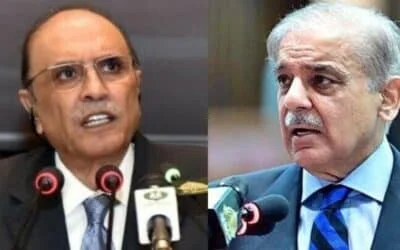
The audio leaks from the Memogate scandal were widely questioned. Experts and officials said the recordings were likely forged or manipulated. The Supreme Court dismissed any wrongdoing, and President Zardari called it “a conspiracy” against his government. Husain Haqqani, central to the controversy, formally refuted the emails, calling them fake or fabricated. Additional coverage is available from France 24, which explains how the scandal escalated and ultimately resulted in Haqqani’s resignation.
You May Like To Read: Weaponizing Data and Algorithms: Behind the Curtain of Manipulation (IW5)
Aurat Azadi March Fake Videos
In the lead-up to the Aurat March, doctored videos appeared to show attendees chanting blasphemous slogans. A six-second clip was edited with fake subtitles to change “Ansar” and “Orya” into names like Allah or Prophet, triggering outrage. Fact-checks by The Express Tribune confirmed the video was altered; no blasphemy occurred in the original footage. Other viral memes falsely showed participants waving the French flag; fact-checking revealed it was the Women’s Democratic Front flag, featuring red, white, and purple stripes, not the French flag. A study by Media Matters for Democracy further highlighted how misleading YouTube titles and subtitled clips were used to target the movement.
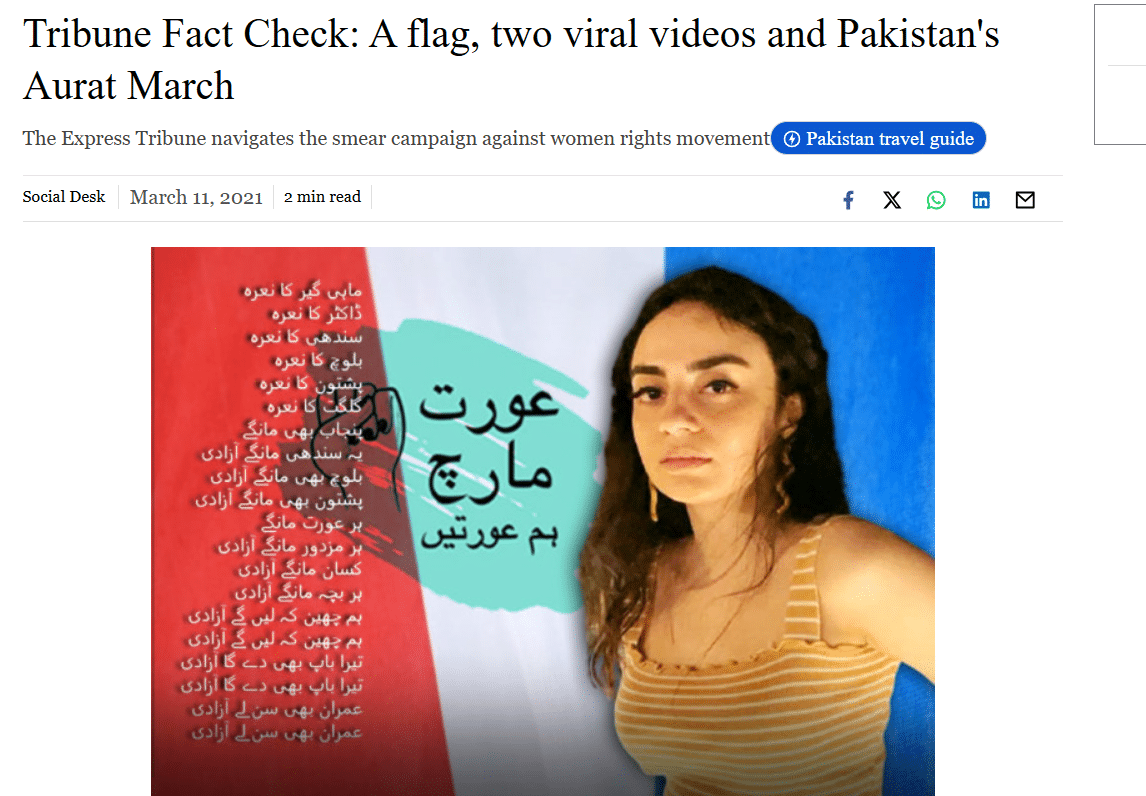
Source: Tribune
Attacks on the Army and Judiciary
Disinformation also targets Pakistan’s army and courts. Online posts try to make people distrust these important institutions. In 2024, the Senate passed a new rule. If someone spreads lies about the army, they can be banned from holding office for 10 years.
Audio leaks often show fake talks between politicians and judges. These clips claim that decisions in court are fixed or biased. But most are found to be false or edited.
Big Events Used for Disinformation
Operation Sindoor (May 2025)
During a tense moment between India and Pakistan, social media exploded with lies. Some posts claimed that Pakistani cities had been bombed. Others said Pakistan’s fighter jets were shot down.
Photos and videos were faked. Some were old, reused to look new. Even state media in India shared some of these false stories. Fact-checkers later proved the content was fake. But the damage was already done. People were scared, and anger spread quickly.
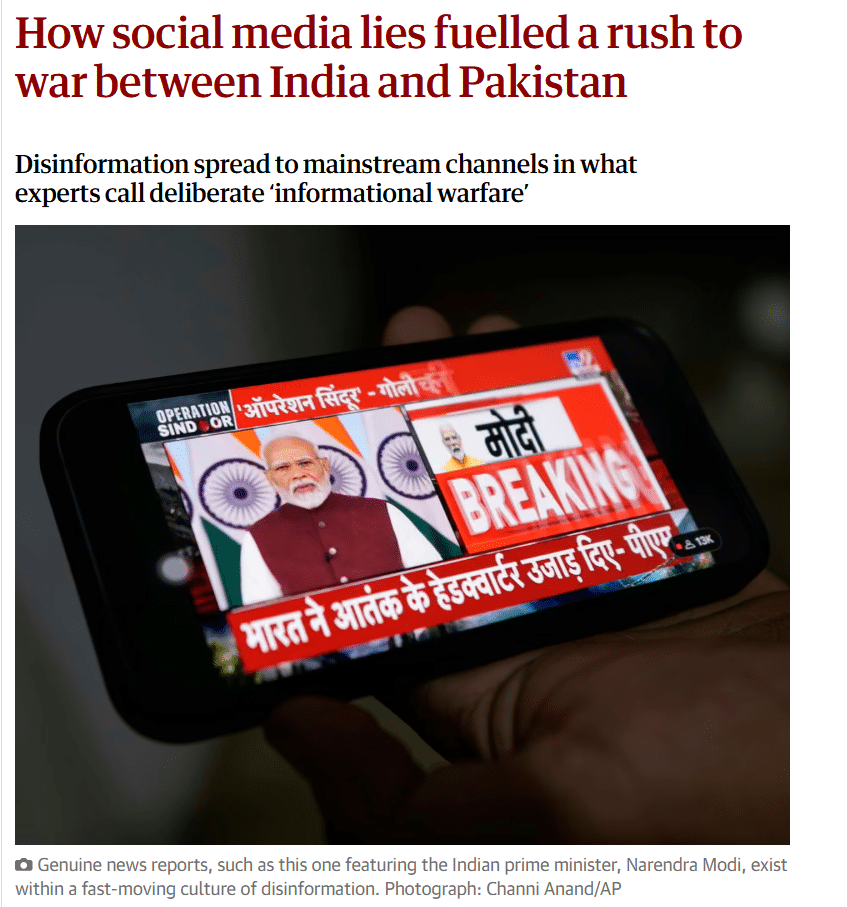
Source: The Guardian
Pahalgam Attack Narrative
After the Pahalgam incident, many Pakistani users on social media raised concerns about how quickly blame was placed on Pakistan without a proper investigation. Independent observers noted unusual online activity that appeared coordinated. Bots and fake accounts, many traced to Indian networks, rapidly pushed hashtags like #BJPBehindPahalgam. These posts questioned the official narrative and suggested the possibility of a false-flag operation aimed at justifying political or military pressure on Pakistan. The use of AI tools and mass tweeting helped these campaigns trend faster than traditional news outlets could verify events.
You May Like To Read: The Rise of Deepfakes and Synthetic Media (IW4)
What Can Pakistan Do?
Support Fact-Checkers
Pakistan must support fact-checkers like Dawn, Herald, and Surkhi. These teams help the public understand what is real and what is not. Their work can stop fake news from spreading.
Pass Laws That Regulate Online Campaigns
Pakistan should make laws that force people to name who paid for online posts or ads. Hidden sponsors can no longer hide. This will make the digital space more honest.
Punish False Content
If someone shares fake videos or audio to hurt institutions, they must face the law. Fast action from the courts will stop others from doing the same.
Use Government Media to Share the Truth
The state should use its TV, radio, and social media to tell the truth. When fake news starts, officials must speak fast. If the truth comes late, lies win.
Train Citizens
Schools and mosques can teach people how to check facts. Children should learn early how to spot fake posts or videos. Adults should also know how to double-check claims before sharing.
Work with Civil Society
Pakistan’s youth, teachers, and scholars should speak up against disinformation. They can organize talks and events to spread awareness and promote unity.
Pakistan is under digital attack—from foreign enemies and some of its people. These attackers use fake accounts, edited videos, and AI tools to spread lies. They target the army, the courts, and the very idea of democracy. Their goal is to create doubt, fear, and anger.
But Pakistan can fight back. The tools are simple: truth, speed, and awareness. If the government acts fast, if the media checks facts, and if people learn to ask questions before sharing, then the power of lies can be broken.
A nation built on facts, not fear, will stand firm. In the age of digital shadows, truth must be Pakistan’s light.