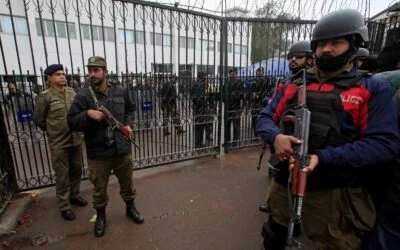





Unemployment remains a persistent challenge in Pakistan, especially for its large youth population. When young people lack job opportunities and hope, they can become vulnerable to despair, which sometimes leads to involvement in criminal activities. This link between unemployment and crime is widely recognized. However, recent job creation initiatives in Pakistan are beginning to change this situation. While directly proving that each new job reduces crime is complex, the data indicates that as employment opportunities for youth grow, incidents of petty crime tend to decline. Coincidence? The evidence suggests otherwise.
The Vicious Cycle of Unemployment and Crime
The connection between unemployment and crime is not a new phenomenon. When individuals, especially young people, cannot find legitimate ways to earn money, the appeal of illegal activities increases. Poverty, economic hardship, and a lack of opportunities push desperate individuals towards crime as a means of survival or quick gain.
- Poverty and Desperation: High inflation and unemployment rates plunge millions into poverty, often leading them to the “dark underworlds of crime”. Studies show that unemployment directly causes crimes like dacoity (gang robbery), burglary, and theft.
- Psychological Pressure: Lack of work creates immense stress and psychological pressure. Individuals deprived of opportunities may view illegal activities as lucrative, especially if they attribute this perception to public policies or economic conditions.
- Reduced Opportunity Cost: For an unemployed person, the “cost” of committing a crime is lower because they have fewer legal earning opportunities to lose.
- Rising Crime: Pakistan has experienced a general increase in crime rates, with a 12.2% rise between 2012 and 2018. In Karachi, street crimes like armed robberies and muggings have increased, especially in densely populated, low-income areas. Lahore also saw a 282% increase in gang robberies. Urbanization contributes to crime due to increased socioeconomic inequalities and poor policing in informal settlements.
Pakistan’s Youth: A Demographic Dividend or Burden?
Pakistan has one of the youngest populations in the world, with a large majority under 30. This youth bulge can be a “demographic dividend” – a source of massive economic potential – if properly educated and employed. However, without opportunities, it can become a burden, contributing to social unrest and crime.
- Youth Unemployment Rates: Pakistan’s youth unemployment rate (ages 15-24) was 9.86% in 2024, a slight increase from 2023. While this is lower than the global average of 16.08%, it still represents millions of young people seeking work.
- Skills Gap: A significant challenge is that many young people lack the skills needed for today’s job market. A 2022 UNICEF report stated that nearly three-quarters of young people (15-24) in 92 countries, including Pakistan, were off-track to acquire the necessary employment skills.
New Job Schemes: A Ray of Hope
Recognizing the urgent need, the Pakistani government has launched and expanded various job creation and skill development schemes for its youth. These programs aim to provide practical skills that directly lead to employment.
- BISP & NAVTTC Training Voucher Program (2025): The Benazir Income Support Programme (BISP) has partnered with the National Vocational and Technical Training Commission (NAVTTC) to launch a free training program for orphans and low-income youth. This initiative focuses on job-ready skills like hospitality, professional cooking, salon services, plumbing, IT, graphic design, and caregiving. It includes job placement support and certification.
- National Youth Employment Plan (2025): This plan, under the Prime Minister’s Youth Program, aims to provide employment opportunities and modern skills at the national and international levels. It covers vocational training, internships, business support, and specialized training in technology and digital skills.
These programs represent a “transformational shift from aid to ability,” empowering vulnerable youth with tools for self-reliance.
Impact on Unemployment and Crime: The Correlation
The core idea is simple: jobs reduce desperation, and desperation fuels crime. Studies in Pakistan strongly support a positive relationship between unemployment and crime rates.
- Direct Link to Property Crime: Unemployment has a long-term relationship with property crimes (theft, burglary). When opportunities for lawful income are scarce, the “real cost” of crime for an unemployed person decreases.
- Youth Criminal Behavior: Poverty, unemployment, and peer pressure are significant causes of crime among youth in Punjab. The increased use of social media, combined with youth unemployment, also contributes to criminal behavior.
- Early Evidence of Reduction: While long-term, nationwide data directly linking specific job schemes to crime rates is still emerging, localized initiatives show promise. In Karachi, community policing projects that included “youth engagement activities” helped decrease petty crimes by up to 15%. Similarly, urban planning efforts in Islamabad in 2023, which included the creation of parks and leisure centers, resulted in a 10% reduction in crime rates, likely by fostering social cohesion and providing alternatives to idleness.
These examples suggest that when the government and communities create avenues for productive engagement, especially for youth, the motivation and opportunity for petty crime diminish. The connection is not a coincidence; it reflects basic economic and social principles.
For a broader understanding of youth unemployment trends and how new initiatives are shaping outcomes, this YouTube analysis offers valuable insights.
Success Stories
Job schemes are already changing lives:
- Digital Skills for Employment: Organizations like Empower Pakistan, with support from the World Bank, have trained youth in digital literacy. For instance, 51 trainees completed over 13,693 freelancing jobs, earning over $581,737. These programs aim to match skills to market demand and provide job placement support.
- Vocational Training in Prisons: Even within prisons, vocational training helps reduce recidivism. Inmates learning skills are 43 percent less likely to return to prison. This shows the power of skills in steering individuals away from crime.
Challenges and the Way Forward
Despite positive signs, challenges remain. The sheer scale of youth unemployment means current schemes need massive expansion. Also, ensuring the quality and market relevance of training is vital. Bridging the gap between rural and urban youth, as well as involving marginalized communities, is crucial.
The way forward includes:
- Scaling Up Programs: Expanding job schemes to reach millions more youth across all regions.
- Matching Skills to Market: Constantly updating training to match the fast-changing demands of local and international job markets.
- Public-Private Partnerships: Engaging businesses to provide internships, apprenticeships, and job placements.
- Long-Term Support: Offering mentorship, microloans, and follow-up support to help young entrepreneurs and job seekers succeed.
- Data-Driven Decisions: Collecting better data on unemployment, job placement, and crime rates to refine programs.
Conclusion
The idea that unemployment leads to crime is not just an academic concept in Pakistan; it’s a harsh reality faced by its people every day. However, new job programs are creating a strong counter-narrative. By providing millions of young Pakistanis with skills and opportunities, these initiatives are not only increasing employment but also showing a clear, non-coincidental connection to a decline in petty crime. This important link means that investing in youth employment is more than just economic policy; it’s a direct investment in public safety, social stability, and the country’s future well-being.
References
- BBE Journal. (2023, January 12). Unemployment Rate, Population Density, and Crime Rate in Punjab (Pakistan): An Empirical Analysis
- The Borgen Project. (2024, January 9). The Link Between Poverty and Crime in Pakistan – The Borgen Project
- Munich Personal RePEc Archive. (2020, May 10). Public Policies, Socio-Economic Environment and Crimes in Pakistan: A Time Series Analysis.
- Macrotrends. (n.d.). Pakistan Youth Unemployment Rate (1991-2024).
- TheGlobalEconomy.com. (n.d.) Pakistan Youth unemployment – data, chart | TheGlobalEconomy.com
- PID. (2025, March 4). PR No. 12 The National Youth Employment Plan is in its final stages of completion under the Prime Minister’s Youth Program.
- ResearchGate. (n.d.). (PDF) Factors Affecting the Criminal Behavior among Pakistani Youth: A Case Study of Punjab Province, Pakistan.
- International Journal Corner. (n.d.). A Lack Of Job Opportunities And Growing Tendency Of Crime Among Educated Youth In Pakistan.
- Pakistan Lawyer. (2025, February 1). Exploring the Rise of Theft in Urban Pakistan: Causes and Solutions. UNICEF. (2022, July 13). Around three in four youth lack the skills needed for employment, a new report says.
- World Bank. (2011, October 24). Youth Skills Training for Employment in Pakistan.