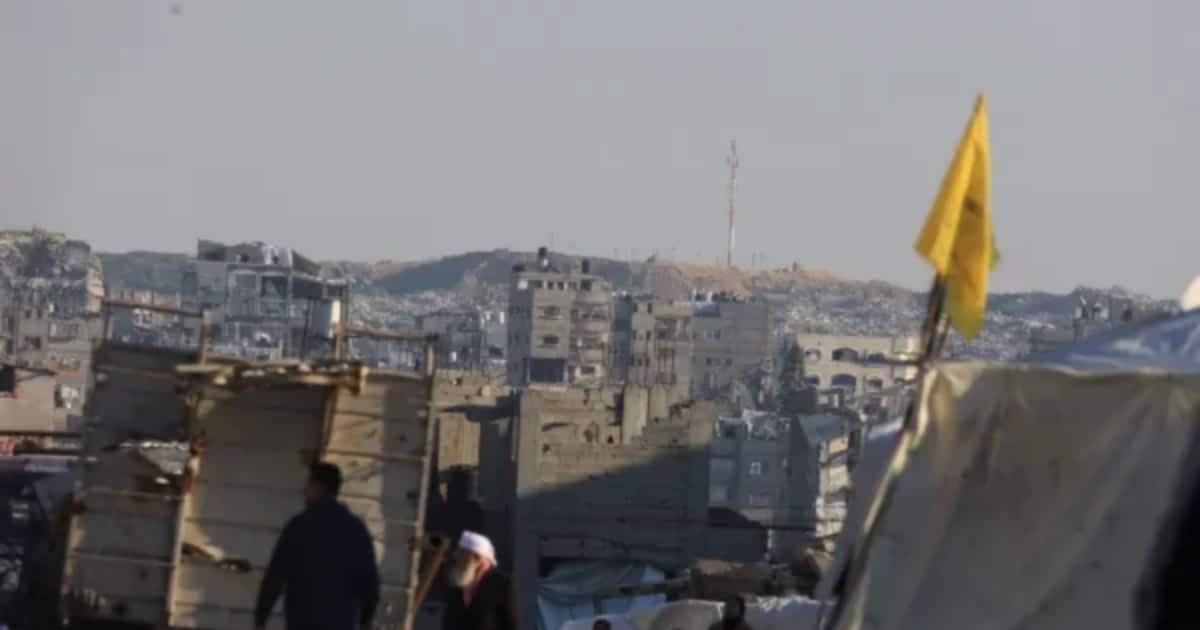





TEL AVIV — Israel plans to implement a strict “exit-to-entry” ratio at the Rafah Border Crossing when it reopens next week, according to sources briefed on the matter. The move is designed to ensure a higher number of Palestinians depart Gaza than enter, raising significant concerns regarding the long-term demographic future of the territory.
The Rafah Border Reopening
- Expected Date: Next Week (Late January 2026).
- Current Control: Israeli military (since 2024); transitioning to US-backed Palestinian committee.
- Key Figure: Ali Shaath, head of the transitional administration.
- The “Ratio” Policy: Israel seeks to limit entries from Egypt while facilitating departures.
- New Security Measure: Proposed Israeli military checkpoint inside Gaza for all travelers.
You May Also Like: CDF Field Marshal Asim Munir’s Presence Draws Global Attention at Davos
Phase Two of the Trump Peace Plan: What’s Changing?
The reopening of the Rafah crossing, the sole lifeline for over two million Gazans—is a cornerstone of President Donald Trump’s ceasefire plan. Earlier this month, Washington confirmed the transition into Phase Two, which mandates:
- Israeli Troop Withdrawal: Forces are expected to pull back further from urban centers.
- Administrative Handover: Hamas is due to yield control to the US-backed committee led by Ali Shaath.
- Border Management: The crossing will likely be staffed by Palestinian Authority (PA) officials from Ramallah and monitored by EU personnel.
How much does New #Gaza cost?
680,000 human lives.
380,000 murdered children under five.
Free Palestine 🇯🇴 #GazaGenocide #gazapeaceboard pic.twitter.com/r1rrHDAjIg
— Manakdeep Singh Kharaud (@Iam_MKharaud) January 23, 2026
The Checkpoint Controversy: Security vs. Sovereignty
A major sticking point in the current negotiations is Israel’s demand for a permanent military checkpoint located inside Gaza near the Egyptian border. This facility would subject every Palestinian entering or leaving to Israeli biometric and security screenings.
While Israel cites security as the primary driver, Palestinian officials and international observers warn that this could turn the Rafah crossing into a permanent bottleneck, effectively controlling the movement of the entire population.
Concerns Over “Encouraged Emigration”
The most explosive detail of the new border policy is the intent to restrict the number of Palestinians allowed back into Gaza. Sources indicate that while Israel denies “forced transfer,” the policy of favoring exits over entries aligns with previous rhetoric regarding “voluntary emigration.”
Palestinians remain highly sensitive to these measures, fearing a permanent displacement similar to historical exoduses. Any attempt to bar temporary travelers from returning is likely to jeopardize the fragile October ceasefire.
Check out our latest video: