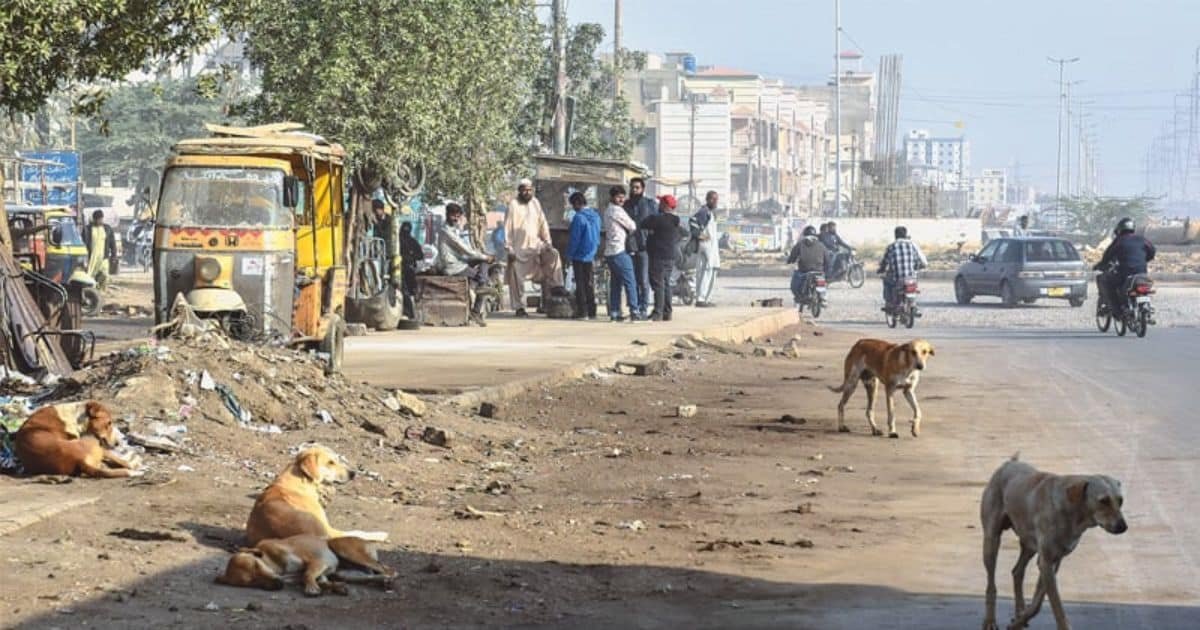





KARACHI: At least 22 people have died from rabies in Sindh so far this year, highlighting growing concerns over inadequate control of the stray dog population and insufficient healthcare response, according to families of victims and health officials.
Relatives of rabies victims blame persistent governmental lapses at multiple levels for the fatalities, citing delays in providing vaccines, lack of life-saving medicines, and insufficient training of healthcare providers to manage dog-bite cases. About half of the victims hailed from interior districts, while the rest were from urban centers, with children disproportionately affected.
One tragic case involved a 17-year-old girl from Karachi who died after being bitten on her thumb by a street dog while playing badminton. Her family, Aliyan and Bazla, told Dawn that despite taking her to a government hospital in Orangi Town and then to a private hospital in Nazimabad, she received inadequate treatment. “We buried our sister today. We are still in shock and feel frustrated that we couldn’t save her life despite taking her immediately to medical facilities,” her elder brother said.
You May Also Like: Lahore’s Skies to Soar Again: Govt. Confirms Three-Day Basant Festival with Strict Safety Ordinance
Healthcare experts explained that proper post-exposure prophylaxis (PEP) is critical to preventing rabies. Aftab Gohar, Manager at the Rabies Prevention and Training Centre at Indus Hospital, said, “As per WHO protocol, any animal bite wound should be washed rigorously with soap for 10–15 minutes, and vaccines administered according to wound severity. Rabies immunoglobulin is required in high-risk cases, along with the vaccine.”
Citizens across the province are paying a heavy price on account of government’s failure to control dog population.https://t.co/BncjRevOk6
— Dawn.com (@dawn_com) December 19, 2025
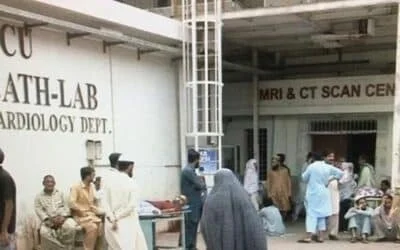
Data from major tertiary hospitals in Karachi underscores the scale of the problem. Over 42,000 dog-bite cases have been reported this year alone—more than 16,000 at Indus Hospital, over 12,000 at Jinnah Postgraduate Medical Centre (JPMC), and over 13,000 at Dr Ruth Pfau Civil Hospital. Dr Rumana Farhat of CHK noted a rise in patients presenting with severe wounds, warning that inadequate vaccine doses fail to prevent rabies.
Cases from interior Sindh have also increased. Dr Nausheen Rauf of JPMC said that six of the 14 rabies patients seen at her hospital this year came from districts including Qambar, Mirpur Mathelo, Ghotki, Dadu, Badin, and Sukkur, with daily dog-bite reports ranging from 35 to 45.
Project Director of the Rabies Control Programme Sindh (RCPS) Sumera Hussain acknowledged that the initiative, launched in 2022 to manage the dog population humanely, remains limited in scope. Delays in fund release and operational challenges have restricted its coverage to only seven districts, six of which are in Karachi. She emphasized that under local government rules, controlling the stray dog population primarily falls under the responsibility of municipal councils.
Experts and affected families warn that unless vaccination, awareness, and dog population control measures are scaled up, the number of rabies-related deaths is likely to rise further, particularly among children in both urban and rural areas.
Check out our latest video: