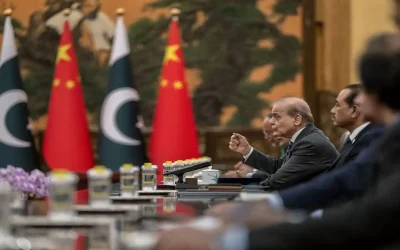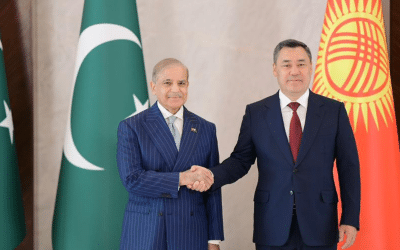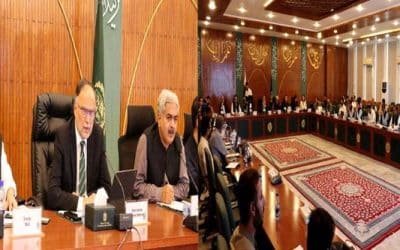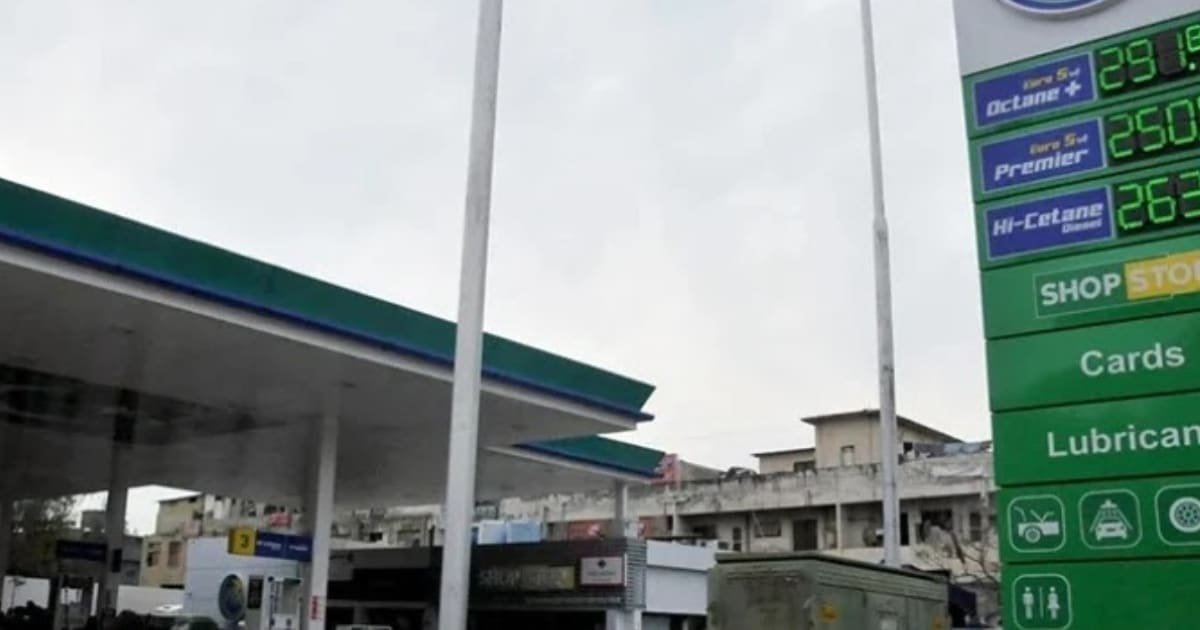


ISLAMABAD — In a strategic move to maintain domestic price stability, the federal government has formally reached out to provincial administrations to help shoulder the fiscal burden of rising international petroleum costs. Prime Minister Shehbaz Sharif and senior cabinet members have initiated high-level contacts with the governments of Punjab and Sindh, urging a coordinated national effort to prevent a massive hike in petrol and diesel rates despite a volatile global market.
Key Highlights
- Fiscal Sharing: The Centre is asking provinces to utilize fiscal space or adjust development budgets to co-fund fuel subsidies.
-
Emergency Funding: The Ministry of Finance has released Rs27 billion to OGRA to settle oil industry price differential claims (PDCs).
-
Conservation Drive: New federal proposals include increased work-from-home, virtual meetings, and a “carrot-and-stick” policy for energy auditing.
-
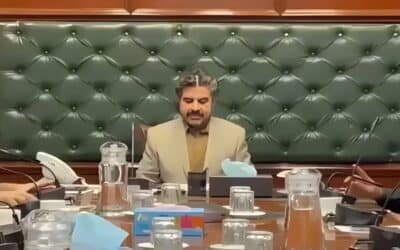
Sindh’s Response: Transport Minister Sharjeel Memon vowing full implementation of federal measures, including potential lockdowns if necessary.
-
Austerity Measures: Subsidy funds are being sourced directly from the newly created Prime Minister’s Austerity Fund.
A National Strategy for Price Stability
The federal government’s outreach to the provinces marks a shift toward a more decentralized approach to managing the energy crisis. Sources indicate that the Prime Minister has personally engaged with provincial leadership to determine if they can scale down certain Annual Development Plans (ADPs) to provide direct relief to consumers.
While international oil prices showed a slight dip over the last 48 hours, a significant “price gap” remains. Currently, the differential stands at approximately Rs75 per liter for petrol and a staggering Rs175 per liter for high-speed diesel (HSD). The extent of provincial cooperation will likely dictate whether these gaps can be sustained without passing the cost to the public.
Centre asks provinces to shoulder fuel price burden https://t.co/zgtwAl5Qkx
— Khaleeq Kiani (@KhaleeqKiani) March 26, 2026
The Prime Minister’s Austerity Fund
To bridge the immediate financial shortfall, the Ministry of Finance confirmed the release of a Rs27 billion tranche to the Oil & Gas Regulatory Authority (OGRA). These funds, diverted from various federal expenditure reduction measures, are aimed at settling claims from Oil Marketing Companies (OMCs) who have kept prices unchanged since mid-March despite global surges.
“This is about shielding the common man from the impact of international market shocks,” a Finance Ministry official noted. Total price differential claims are estimated to reach Rs69 billion by the end of the month, necessitating further cost-cutting across all levels of government.
Energy Conservation and Governance
Beyond financial contributions, the Centre is pushing for a unified energy conservation policy. The proposed measures include:
-
Hybrid Work Models: Encouraging work-from-home and scattered attendance at offices and educational institutions.
-
Climate Control Limits: Stricter monitoring of air-conditioner usage in public buildings.
-
Transport Efficiency: Promotion of car-pooling and a reduction in official vehicle usage.
Sindh’s Transport Minister Sharjeel Inam Memon has already signaled Karachi’s readiness, stating that the provincial government is prepared to implement any federal decision—including a lockdown—to ensure fuel reserves are maintained, and public needs are met.
The coming days will be critical as Punjab and Sindh conduct internal consultations to assess their “fiscal space.” For the urban and semi-urban public, the success of this federal-provincial alliance will determine whether the current “freeze” on fuel prices can continue or if a market-driven adjustment is inevitable.
You May Like To Read: Airfares Under Pressure as Jet Fuel Costs Continue to Rise Sharply
Check out our latest video: