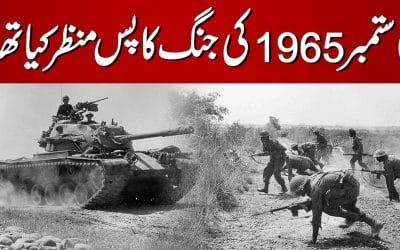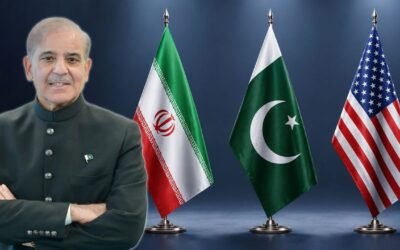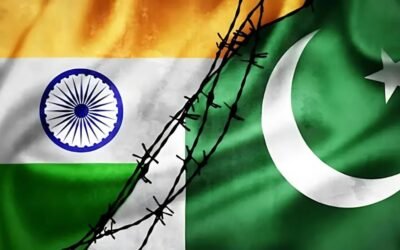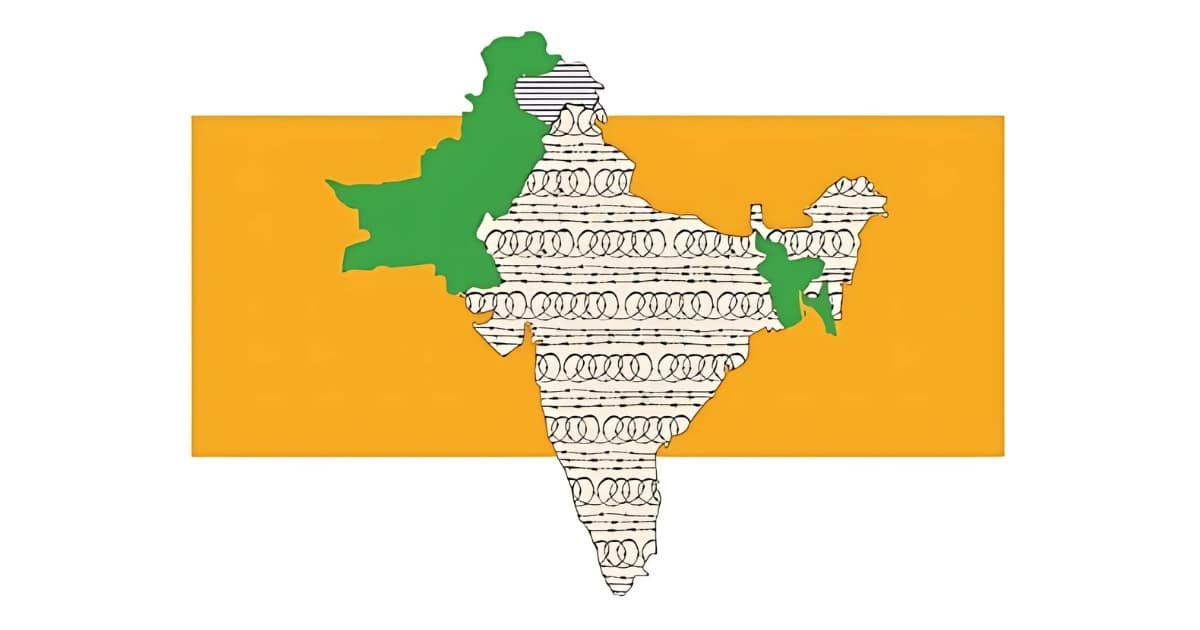





The events of the 1971 Indo-Pakistani War and the loss of East Pakistan as Bangladesh were a painful chapter in the history of Pakistan. 1971 was not only a political loss but also a traumatizing separation from their Bengali countrymen and women. The Pakistan army fought bravely and would have continued the fight to the last man, but civilian lives were at stake. Separatist entities played their role in shattering the nation’s confidence in its military. Despite these unfortunate circumstances, this crisis also served as a turning point for introspection and reform. It prompted a long-term effort to reestablish national resilience and military capabilities from scratch.
You May Like To Read: The Evolution of Pakistan’s Defence Industry Since Independence
Immediate Aftermath and National Trauma
16 December 1971 was a dark day for Pakistan. For a nation that was established on the notion of two Muslim-majority wings brought together by Islam, this division was a collapse of national ideology. The public had largely been witness to military triumphs on the Western Front. The surrender on the Eastern Front came as a shock. Although most of the population of West Pakistan was aware of the grave situation through letters and radio, the last few months before an all-out war were tumultuous. Due to India’s ban on its airspace, land movement as well as communication were slow to reach. There was no clear-cut information on what was happening on the ground. This resulted in a period of deep mourning, outrage, and soul-searching. The competence of the military leadership and the political establishment in power during this crisis came into question. Zulfikar Ali Bhutto became the new President of Pakistan by popular vote. His government was required to deal immediately with this crisis. Its first-order tasks were the release of the Prisoners of War (POWs) and rebuilding of public trust and morale. The military was deprived of its eastern command with many of its highest-ranking officials either martyred on the Eastern Front or POWs in India. A commission was also formed to inquire into the reasons behind the defeat in East Pakistan. Several top generals were forced into retirement.
Rebuilding the Military and Emphasis on Self-Reliance
The 1971 war had lessons for the military top brass. Some urgent weaknesses needed to be worked upon, including the dependence on foreign military assistance and the absence of a strong indigenous defense base. The 1965 and 1971 US arms embargoes exemplified the need for independent structures for the manufacturing of arms and military hardware. Pakistan responded with a deliberate drive towards the modernization of its military and technological indigenization. This era saw an emphasis on establishing a home-based defense industrial base. This policy would guide Pakistan’s military policy for decades. This was also the time when the leadership of the country, with support from the military, opted to start working on acquiring a nuclear deterrent. The goal was to establish a strategic equilibrium in the area and make sure that another similar-scale military defeat never occurs. The nuclear program, which really got underway in the mid-1970s, turned into a source of national pride and an important pillar of Pakistan’s security policy.
You May Like To Read: Trump’s Tariff Policy Hits India Hard, Pakistan Exempted from Penalties
Strategic Alliances and The New Geo-Political Landscape
The post-1971 era also saw a new strategic realignment of Pakistan’s foreign policy. The nation strengthened its strategic relationship with China, which was its principal ally since the 1960s. China supplied military equipment and technology, which helped Pakistan in rebuilding its military and establishing its defense industry. This partnership has had long-term benefits for Pakistan. It later resulted in the co-development of platforms such as the JF-17 Thunder fighter aircraft and the Al-Khalid main battle tank.
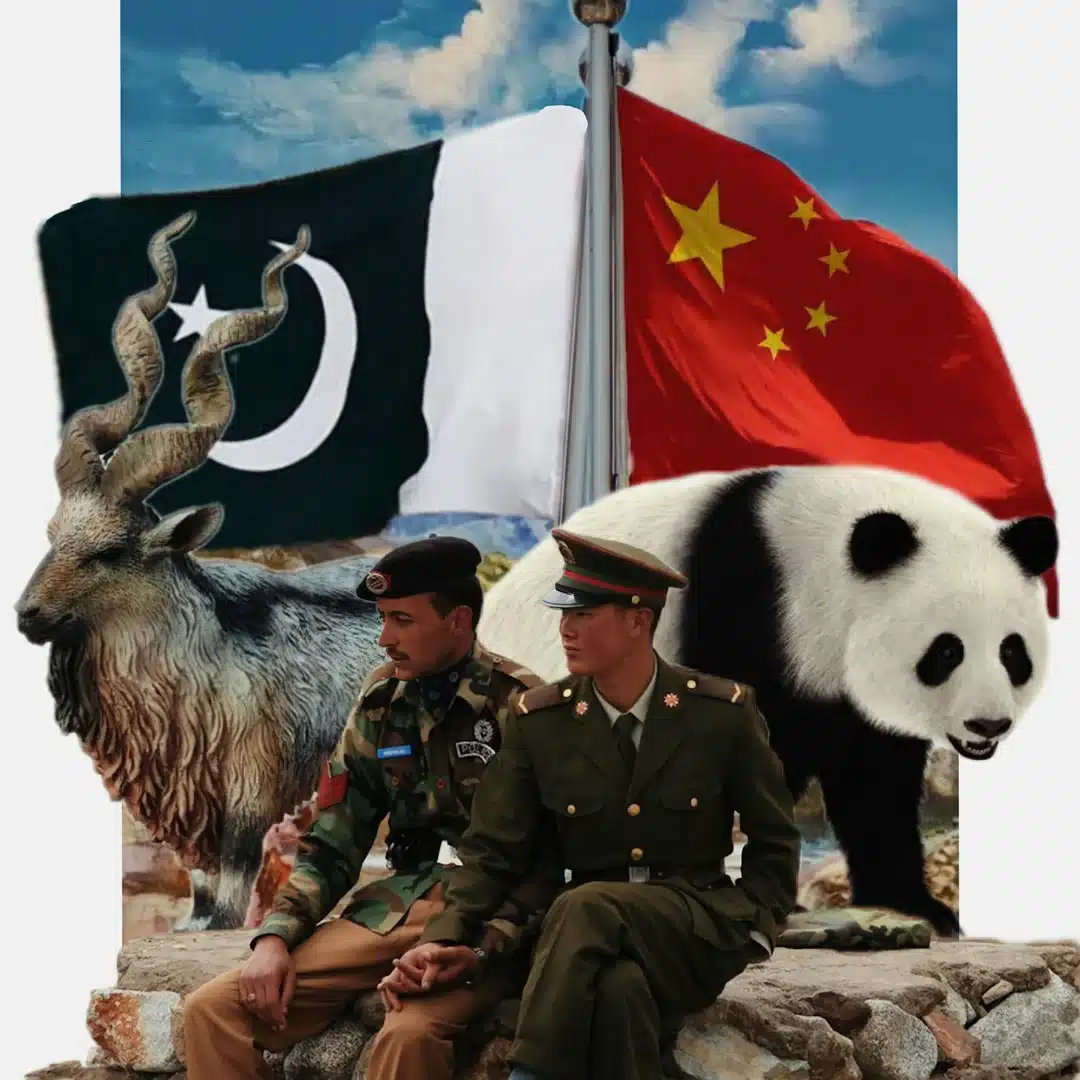
Source: Reddit r/Pakistan
Pakistan also started developing closer relationships with the Muslim world, especially with nations of the Middle East, like Saudi Arabia. This provided a new source of political and economic support. This was vital for a nation struggling economically and being diplomatically isolated. The military was taking on new challenges in this geopolitical context. Pakistani officers and troops had also started serving as trainers and advisers in various Gulf states. This not only brought in revenue but also restored the morale and professionalism of the forces.
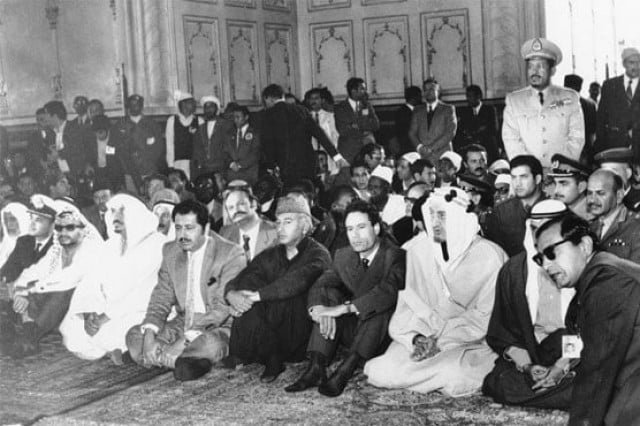
Source: Express Tribune
Lastly, though the 1971 war was an unfortunate debacle, it was also an agent of change. It prompted Pakistan towards a complete overhaul of its military strategy, defense infrastructure as well as foreign policy. The move towards self-sufficiency, the quest for a nuclear capability, and the creation of new strategic alignments were all immediate reactions to the 1971 war. These shifts not only revived the nation’s pride but also set the stage for Pakistan to become a regional military power in the decades ahead. The post-1971 decade proved that Pakistan was built to last. It was also reflective of the resilience and camaraderie of Pakistani citizens as well as their armed forces in the face of tragedy.