




New Agency to Protect Pakistan Online
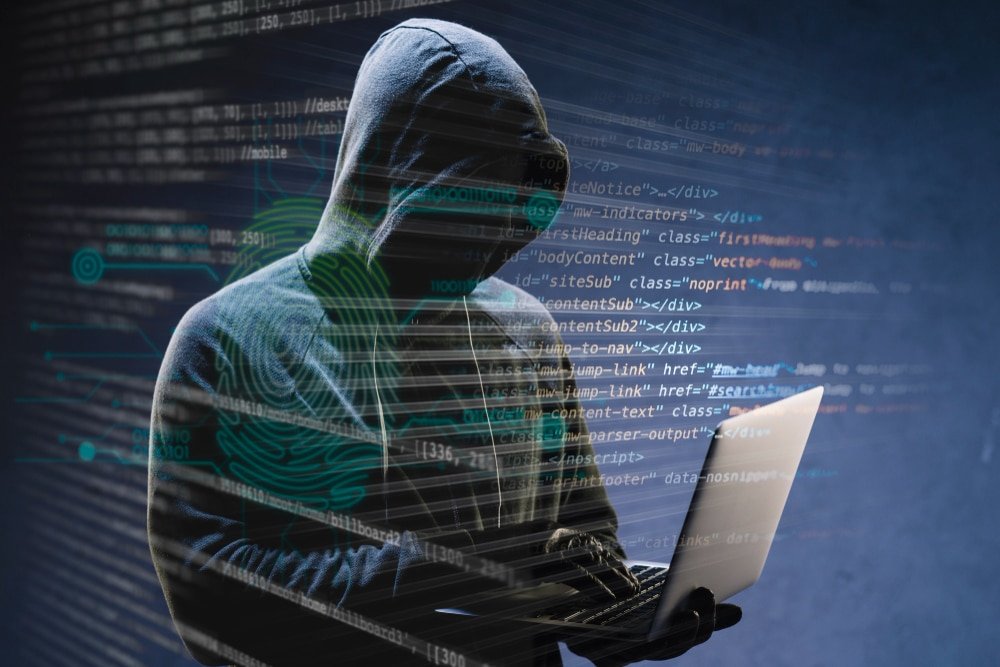
Pakistan is rapidly embracing the digital world. With this, new dangers like online scams, hate speech, and fake videos have grown. To combat these threats, the government established the National Cyber Crime Investigation Agency (NCCIA). This agency was created in Section 51 of the Electronic Crimes Law of 2016. Its job is to handle all cybercrime cases and give Pakistan modern tools for online safety.
Our Prophet Muhammad (peace be upon him) taught us to protect others. Today, this also means keeping people safe online. The NCCIA aims to keep Pakistan safe, its economy strong, and its people’s honor protected in the digital world.
What is the NCCIA?
The National Cyber Crime Investigation Agency (NCCIA) is Pakistan’s primary agency for investigating cybercrimes. It officially started on May 3, 2024. Before this, the FIA (Federal Investigation Agency) handled cybercrime. Now, NCCIA has taken over and has more power to act quickly against online dangers.
The NCCIA’s main office is in Islamabad. It also has offices in Lahore, Karachi, Quetta, and Peshawar, covering the entire country.
What Crimes Does NCCIA Handle?
Under the Electronic Crimes Law, NCCIA handles many types of online crimes. These include:
- Online Terrorism: Attacks on essential sites like banks or government websites. For example, in April 2023, some government websites were hacked, prompting security groups to act quickly.
- Data Theft: When personal info, like bank details or phone numbers, is stolen or sold online. NCCIA now leads these investigations.
- Online Money Scams: Fake investment plans, crypto scams, and digital money laundering. In 2023 alone, Pakistan lost over Rs. 3 billion to online scams. This highlights why NCCIA is crucial in preventing these significant financial losses.
- Hate Speech: Spreading hateful messages or harmful ideas on social media. NCCIA monitors this using specialized computer programs.
- Child Abuse Material (CSAM): NCCIA works with groups like Interpol to find and remove such content and catch those who create it.
- Fake Videos (Deepfakes): Fake videos and edited content that target leaders or cause public trouble are seen as national security threats.
- Online Harassment and Threats: Cases where people, especially women, are bothered or blackmailed online now go directly to NCCIA for quick help.
NCCIA in Action
Since May 2024, NCCIA has been very busy. Here are some examples:
- Stopping Phone Tampering: In June 2025, NCCIA worked with the PTA in Gujranwala. They raided shops that changed mobile phone codes (IMEI). They took 25 tampered phones and arrested people. This helps protect buyers and prevents the sale of illegal phones.
- Catching a Big Scam Group in Multan: In June 2025, NCCIA apprehended two individuals involved in a massive online scam in Multan. They tricked people out of over Rs 20 billion. This demonstrates NCCIA’s increasing influence in combating significant online financial crimes.
- Helping in the Global Fight Against Malware: In May 2025, NCCIA collaborated with the FBI and Dutch police. They arrested 21 individuals in Lahore and Multan. These people were part of a global malware group called “HeartSender.” This action shows Pakistan’s role in stopping online criminals worldwide.
- Closing Down 12 Illegal Call Centers: In July 2025, NCCIA closed 12 call centers in Islamabad. These centers were doing online scams and illegal money transfers. They arrested 93 people, including some from other countries. This demonstrates that NCCIA can effectively stop organized online fraud.
These actions demonstrate how NCCIA is combating various types of online crime. Each win helps make Pakistan safer online and builds trust in the agency.
Tools NCCIA Uses
The NCCIA uses smart technology to find, track, and catch criminals:
- AI (Artificial Intelligence) to find patterns
- Blockchain analysis for crypto scams
- Watching the Dark Web (hidden internet)
- Getting data from phones and computers
- Tracking online addresses across countries
The old cybercrime police (FIA Cybercrime Wing) had already achieved a 63% resolution rate of their cases in 2023. With NCCIA now in charge, this number is expected to rise even higher.
Doing the Right Thing Online
Islam teaches us to be fair and kind. The Quran says: “Do not let the hatred of a people prevent you from being just. Be just: that is nearer to righteousness.” — Surah Al-Ma’idah (5:8) NCCIA officers learn not just tech skills but also how to do their job fairly and according to Islamic rules. Their goal is to protect people, not to harm them.
Things NCCIA Needs to Overcome
Even with a good start, NCCIA faces challenges:
- Not Enough Staff: It’s challenging to find experts in emerging technologies like AI.
- People Don’t Know: Many people are unaware of when or how to report online crimes.
- Laws Are Slow: Laws can’t always keep pace with new online threats, such as metaverse scams.
- Working with Other Countries: It’s challenging to obtain data from large tech companies in other countries due to the limited number of existing agreements.
What Pakistan Needs to Do
To help NCCIA, Pakistan should:
- Launch a major campaign to educate people about cyber safety.
- Invest more in online security and digital education.
- Enter into agreements with major tech companies, such as Meta and Google, to share data.
- Add cyber training to university classes.
Conclusion: Our Duty
Being safe in the future means not just soldiers, but also computer code. Pakistan’s creation of NCCIA is a big step. As online dangers grow, we must act fast, fairly, and with justice.
Just as Islam tells us to protect life, honor, and truth, Pakistan must use these values in the online world. NCCIA is more than a cyber watchdog; it safeguards Pakistan’s values and security in the digital age.
Let’s support it with laws, money, and prayers.