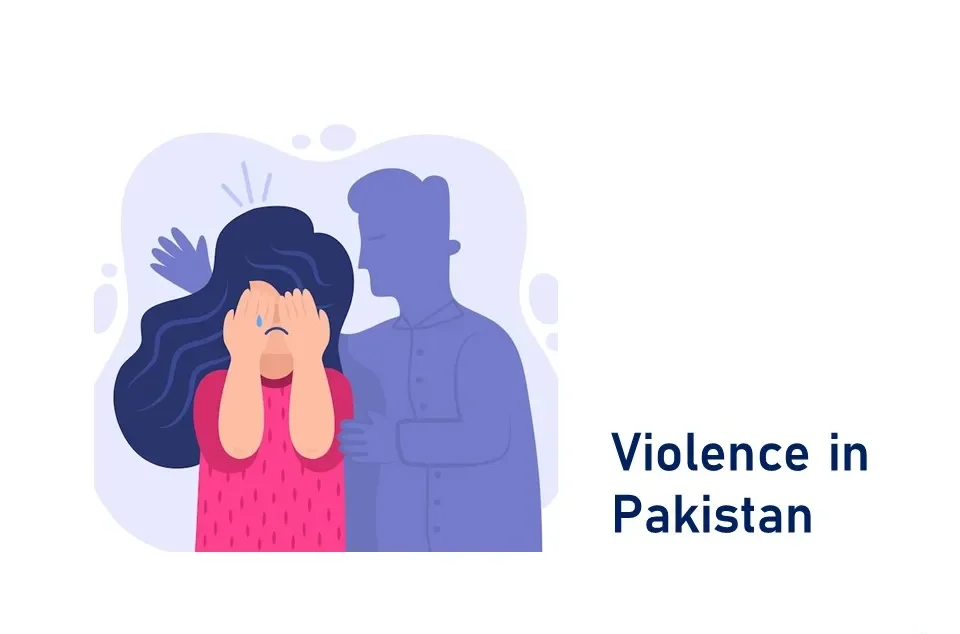





ISLAMABAD — Pakistan reported a total of 3,172 cases of gender-based violence (GBV) across the country during the first six months of 2026, including 18 violent incidents targeting transgender individuals.
According to the bi-annual Six Months Cruel Numbers Report (January–June 2026) released by the civil society organisation Sahil, severe crimes such as murders, physical torture, and abductions made up the majority of reported incidents during this period.
خوفناک خطرناک ہوشربا رپورٹ۔۔۔
جنوری تا جون 2026 تک پنجاب میں خاتون وزیر اعلی ہونے کے باوجود خواتین پر تشدد،زیادتی،قتل،جنسی زیادتی،صنفی بنیاد پر تشدد سمیت دیگر جرائم کے سب سے زیادہ 74 فیصد یعنی 2352 واقعات ہوئے،سندھ میں 554،خیبرپختونخواہ میں 180،بلوچستان 48 اسلام آباد میں 30 آزاد… pic.twitter.com/RtcS71kA5H— Fahim Akhtar Malik (@writetofahim) July 23, 2026
Breakdown of Reported Crimes
The data compiled by Sahil paints a concerning picture of violence against vulnerable groups nationwide. Murders emerged as the largest single category, accounting for over 20 percent of all documented cases.
| Crime Category | Reported Cases | Share of Total (%) |
|---|---|---|
| Murders | 644 | 20.3% |
| Physical Torture | 514 | 16.2% |
| Abductions / Kidnappings | 462 | 14.6% |
| Suicides | 363 | 11.4% |
| Rape Cases | 280 | 8.8% |
| Injuries / Assault | 175 | 5.5% |
| Honour Killings | 132 | 4.2% |
| Other Crimes (Harassment, Gang Rape, Pornography) | 21 | 0.7% |
| Unspecified / Additional Categories | 601 | 18.3% |
In terms of age groups, 334 victims were between 21 and 30 years old, 306 were aged 11 to 20, and 120 were between 31 and 40. However, age details were missing or not reported in 71 percent of the cases, pointing to significant gaps in documentation.
Geographic Breakdown & High-Risk Districts
Punjab accounted for the overwhelming majority of incidents, with 74 percent of all reported cases. Sindh followed at 17 percent.
The remaining 9 percent were spread across Khyber Pakhtunkhwa (6 percent) and a combined 3 percent in Balochistan, Islamabad Capital Territory (ICT), Azad Jammu and Kashmir (AJK), and Gilgit-Baltistan (GB).
Out of 104 districts surveyed nationwide, Sahil identified the following 10 as the most vulnerable hotspots for gender-based violence:
- Faisalabad
- Multan
- Lahore
- Gujranwala
- Kasur
- Rahim Yar Khan
- Rawalpindi
- Karachi
- Vehari
- Sialkot
Perpetrator Profile, Crime Scenes, and Police Registration
The report challenges common assumptions about safety, showing that most incidents occur in familiar, domestic settings.
- Location of Occurrence: Over half (54 percent) of cases took place inside the victim’s own home, while 12 percent occurred at the perpetrator’s residence.
- Identity of Perpetrators: Acquaintances formed the largest group at 27 percent, followed by strangers at 24 percent and husbands at 13 percent. Perpetrators remained unidentified in 20 percent of cases.
- Legal Registration Status: Police First Information Reports (FIRs) were registered in 76 percent of the cases. Registration status was not mentioned in 23 percent of reports, while 1 percent remained completely unregistered.
Sahil, which has been tracking and working against gender-based violence since 2024, compiled the report using primary data gathered from national and regional news sources across all four provinces, ICT, AJK, and Gilgit-Baltistan.