




ISLAMABAD, May 15 — The International Monetary Fund (IMF) says that Pakistan’s close ties to Gulf countries are now its biggest economic weakness. After sending a $1.1 billion loan payment, the IMF warned that the war in the Middle East could hit Pakistan hard. This is because the country relies heavily on the Gulf for oil and money sent home by workers. Experts predict this crisis will slow down growth and make daily life more expensive for Pakistanis over the next two years.
Quick Facts
- The IMF believes the war in the Gulf is the biggest threat to Pakistan’s finances.
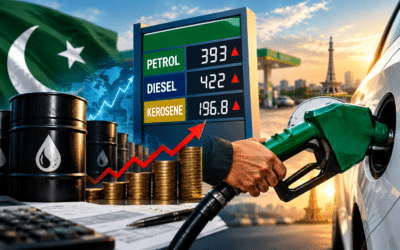
- Pakistan gets 81% of its fuel from Gulf countries.
- Over half of all money sent from abroad comes from Pakistanis working in the Gulf.
- Economic growth is expected to drop because of the regional conflict.
- Prices for basic goods are likely to rise faster this year and next.
- The government must create a plan for interest-free banking by June 2026.
- Tax collection is still struggling to meet targets set by the IMF.
The report makes it clear that if the Gulf economy slows down or workers have to come home, Pakistan will struggle to pay its bills. Right now, the money sent back by workers is what keeps the country’s markets moving. While the government has managed to save money lately, the IMF is worried that they are just cutting spending instead of finding new ways to collect taxes. This makes the economy feel stable for now, but it might not last if the war continues to push up the price of oil.
To keep the loan program on track, the government has to make some tough choices. The IMF wants Pakistan to stop giving subsidies on fuel and let prices match the global market. At the same time, the country is moving toward an Islamic, interest-free banking system. The IMF has officially added this to its checklist, demanding a clear map of how the banks will change by next summer. These steps are meant to fix the economy, but they will likely lead to higher costs for the average person in the short term.