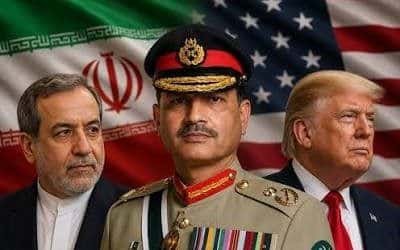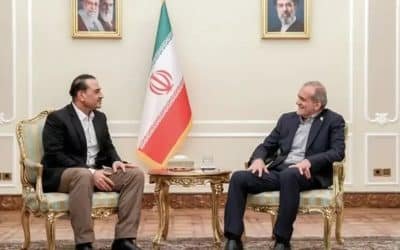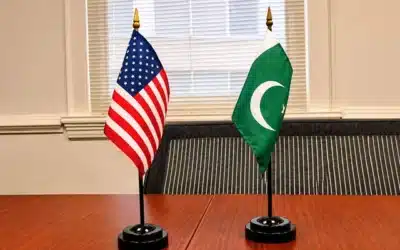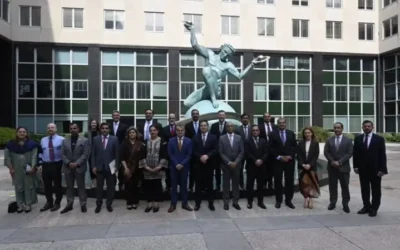




On Friday, April 10, 2026, direct high-level negotiations between the United States and Iran began in Islamabad, Pakistan. These talks follow a fragile two-week interim ceasefire brokered by Pakistan on April 8, which halted 40 days of intense warfare that saw the closure of the Strait of Hormuz and the assassination of top Iranian leadership.
The Iranian Stance: “Absolute Pessimism”
Iranian Vice President Mohammad Reza Aref confirmed Iran’s participation but voiced extreme caution. His statement highlights the “deceptive nature” of the U.S. and underscores a strategy of “maximum skepticism”,
Islamabad will participate in talks but doubts US’s deceitful nature: Iran
Iranian Vice President Mohammad Reza Aref has said that Iran will actively participate in the talks in Islamabad, but deep doubts will remain due to the deceitful nature of the United States. pic.twitter.com/YFh1zOCmDg
— Hamdan News (@HamdanWahe57839) April 10, 2026
- Deep Distrust: Aref stated that Iran enters these talks with “absolute pessimism” regarding American intentions, though they remain committed to a diplomatic resolution to prevent further infrastructure destruction.
- Consolidating Success: The Vice President framed the talks as an opportunity to secure Iran’s “military successes” on a diplomatic level, claiming that the 40-day war proved Western strategic estimates of Iranian resilience were incorrect.
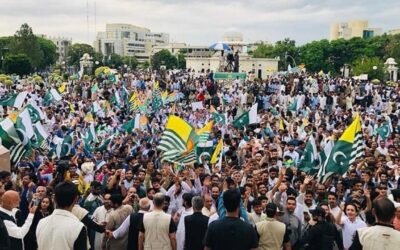
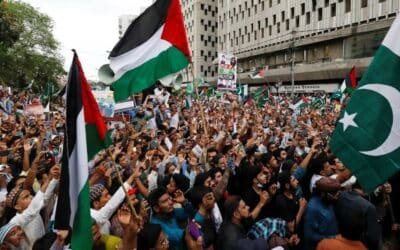
- “Soft Power” Defense: Aref attributed the current ceasefire to the “determination and public demonstrations” of the Iranian people, characterizing these displays of national unity as Iran’s “soft power” that defeated foreign political and security objectives.
The Delegations: A Face-to-Face Encounter
This summit marks the first in-person meeting between senior officials since the conflict erupted on February 28:
- The American Team: Led by Vice President James David Vance, with support from special envoy Steve Witkoff.
- The Iranian Team: Led by Speaker of Parliament Mohammad Bagher Ghalibaf, who has played a central strategic role in Iran’s wartime leadership.
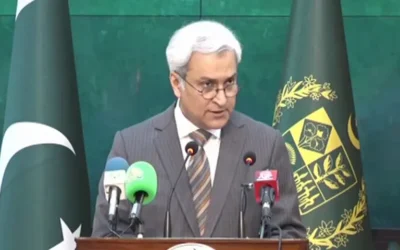
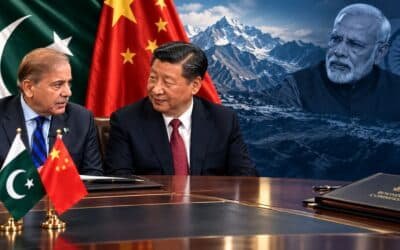
- The Host: Prime Minister Shehbaz Sharif and the Pakistani government are acting as the primary mediators, hosting the delegations at a high-security neutral venue in the capital.
The Negotiating Table: Two Competing Visions
While the ceasefire is in place, the core demands of both sides remain starkly different:
| U.S. / Islamabad Accord Plan | Iran’s 10-Point Peace Plan |
| Immediate reopening of the Strait of Hormuz. | War reparations for damage to civilian infrastructure. |
| Complete end to Iran’s nuclear enrichment. | Security guarantees against future U.S./Israeli aggression. |
| Restrictions on regional armed proxies. | Lifting of all sanctions (dating back 45 years). |
| Conditional release of frozen assets. | Full sovereignty over the Strait of Hormuz. |
You May Like To Read: Islamabad Red Zone Sealed and Public Holidays Declared for Historic US-Iran Summit
Check out our latest video: