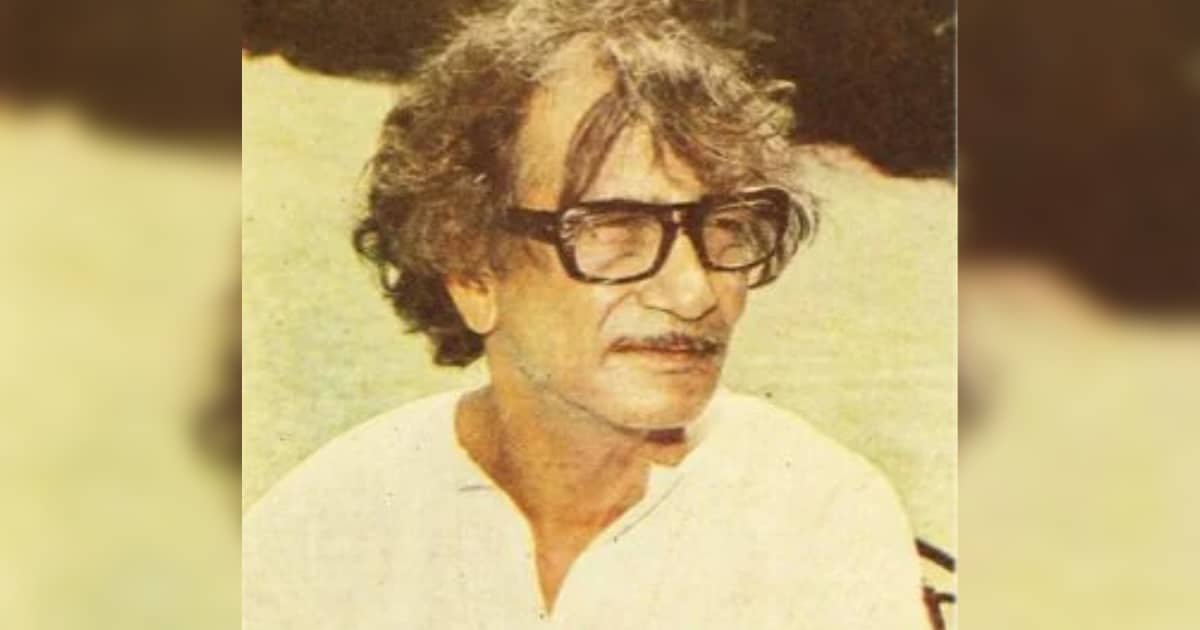



The iconic, often enigmatic, life of legendary Pakistani artist Sadequain is once again being thrust into the spotlight, not through an auction house or a weighty art monograph, but via the captivating medium of film. This week, the Sadequain Foundation hosted a special screening in Islamabad of the documentary short film, “Raaz-e-Fun Sadequain” (The Secret of Sadequain’s Art), offering a deep, intimate look at the man behind the monumental murals and haunting calligraphy.
Sadequain, who passed away in 1987, remains one of the most towering and misunderstood figures in South Asian art. His work, spanning powerful figurative paintings of the ‘40s and ’50s, the stark beauty of his Rubaiyat illustrations, and the massive, public murals, was always a reflection of his own spiritual turmoil and genius. The challenge for any filmmaker is to capture this internal world, and “Raaz-e-Fun” attempts to do so by weaving together rare archival footage, personal anecdotes, and expert analysis.
View this post on Instagram
The film serves as a crucial bridge for a new generation, many of whom are familiar with his work’s pervasive presence in public spaces like the State Bank of Pakistan or the Frere Hall, but may not grasp the fierce dedication and even bohemian austerity that defined his life. It delves into the artist’s famous decision to give his art away for free, a move that simultaneously cemented his populist fame and contributed to the confusion and unauthorized circulation of his masterpieces.
The Foundation’s initiative in bringing this film to various cultural centres is a commendable effort to control and clarify the artist’s official narrative. In an era where art history can easily be distorted or lost, this short film acts as a meticulously researched guardian of his legacy. It focuses not just on his technical mastery, his revolutionary take on calligraphy being a major highlight, but also on the philosophical weight of his creation.
Source: Aicon Art
“Raaz-e-Fun Sadequain” is more than just an art documentary; it’s a necessary cultural intervention. By visually resurrecting the artist’s intense creative process and the social context of his time, the film doesn’t just display his masterpieces, but invites the audience to understand the mind that forged them. For art lovers, cultural commentators, and anyone interested in the soul of modern Pakistani art, this screening is a reminder of a genius who painted not just for posterity, but for the shared human condition.