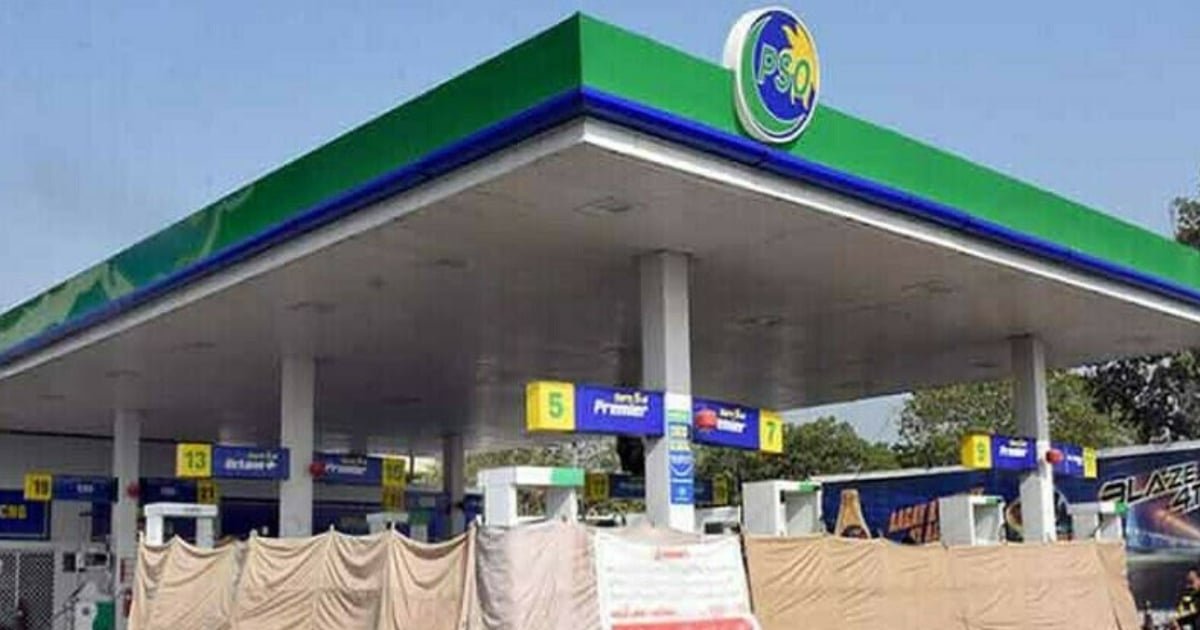


Petroleum dealers across Pakistan have postponed their planned strike scheduled for March 26, 2026, citing the uncertain supply situation caused by the ongoing Middle East conflict. The decision was announced on March 25 by Pakistan Petroleum Dealers Association (PPDA) Chairperson Abdul Sami Khan, who said the association wants to avoid adding to the hardships of consumers if the war escalates and leads to further fuel supply disruptions. While no new date for the strike has been confirmed, the PPDA chief noted that the situation remains highly volatile and will be reviewed closely in the coming days.
Petroleum dealers announced on Wednesday that they were postponing a strike they planned to begin on March 26, keeping in view the situation resulting from the ongoing Middle East conflict, which has given rise to a global fuel crunch and supply uncertainties.…
— Dawn.com (@dawn_com) March 25, 2026
Key Highlights
- Petroleum dealers postpone strike originally planned for March 26 due to Middle East conflict and potential fuel supply risks.
- PPDA Chairperson Abdul Sami Khan says the decision aims to prevent additional hardship for consumers.
- Strike was called to demand an increase in dealers’ margin from 2.59 percent to 8 percent after the recent Rs55 per litre hike in petrol and diesel prices.
- Government has so far maintained adequate stocks of petrol and diesel, with no severe shortage reported.
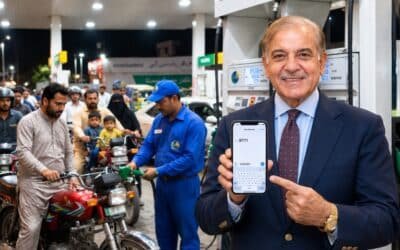
- Dealers express concern over lack of consultation on proposed mobile app-based quota system for two- and three-wheelers.
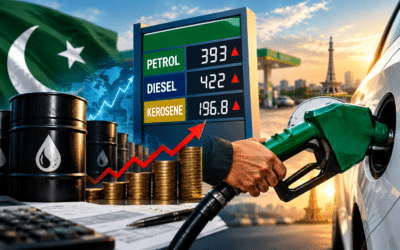
The PPDA had originally announced the strike on March 13 after the government increased petrol and diesel prices by Rs55 per litre, the highest single hike in recent history. The association had demanded a revision in the dealers’ margin, arguing that the current rate does not fairly compensate them for operational costs. However, with global oil prices remaining unstable due to the US-Israel war on Iran and disruptions in the Strait of Hormuz, the dealers decided to put the strike on hold to avoid worsening the situation for the public.
The government has assured that current fuel stocks are comfortable and that arrangements for alternative supplies are being strengthened. Officials have also been monitoring the market to prevent hoarding and ensure smooth distribution. The proposed targeted subsidy scheme for motorcycles and rickshaws is still under consideration, though petroleum dealers have complained that they were not consulted on the matter.
This responsible decision by the petroleum dealers reflects a shared understanding of the difficult times the country is facing. By prioritising public convenience during a period of global uncertainty, the association has demonstrated maturity and concern for the common citizen. The government, on its part, continues to work on balancing fiscal needs with public relief while securing alternative fuel supply chains. Both sides are expected to remain in dialogue to find a fair and sustainable solution that protects both dealers and consumers in the long run. As the situation in the Middle East evolves, Pakistan remains focused on ensuring uninterrupted fuel availability and supporting the daily needs of its people.
You May Like To Read: Airfares Under Pressure as Jet Fuel Costs Continue to Rise Sharply
Check out our latest video: