

ISLAMABAD — On the eve of the International Day of Education, a major UNESCO report has highlighted a global “representation gap,” revealing that young people remain largely excluded from the decisions that shape their future. Titled “Lead with Youth,” the 2026 Global Education Monitoring Report warns that despite being the primary beneficiaries of education, youth are treated as partners in policy discussions in only one-third of countries worldwide.
UNESCO “Lead with Youth” Report 2026
- Global Theme: “The Power of Youth in Co-creating Education.”
- The Stat: Only 33% of countries have formal bodies to engage youth in education policy.
- Youth Sentiment: Only 20% of students feel they are treated as valued partners by their governments.
- Pakistan Context: 26 million children remain out of school; “Education Emergency” currently in effect.
- Key Players: President Asif Ali Zardari, PM Shehbaz Sharif, and UNESCO Representative Fuad Pashayev.
“Pakistan’s youth bulge is both a challenge and a great opportunity. The government, along with provincial governments, has launched programs to empower youth through vocational training. NAVTTC provides modern training at the federal level, with programs vetted by third-party… pic.twitter.com/ds1PEsEp7u
— Government of Pakistan (@GovtofPakistan) January 21, 2026
Exclusion from Power: The UNESCO Findings
The UNESCO report emphasizes that while young people are politically active on issues like climate change and public debt, they are underrepresented in formal positions of power. The report finds a significant “satisfaction gap,” particularly among school-age students.
“Meaningful engagement requires more than mere consultation; it requires a seat at the decision-making table,” the report states. It calls for formal mechanisms, institutional resources, and a genuine willingness on the part of authorities to act on student feedback rather than treating youth participation as a symbolic gesture.
You May Also Like: PTI Demands Withdrawal of Asset Secrecy Bill, Says Lawmakers Not Above Ordinary Citizens
Pakistan’s Leadership Stresses Skill Acquisition
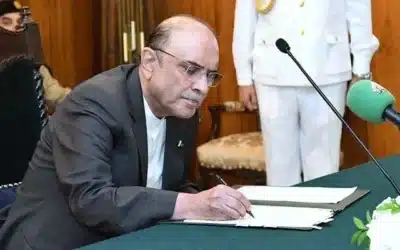
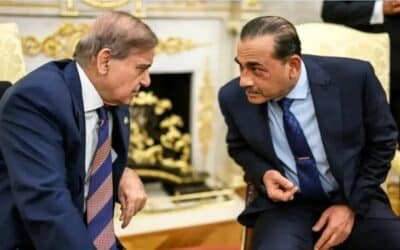
Marking the day in Islamabad, President Asif Ali Zardari and Prime Minister Shehbaz Sharif issued separate messages emphasizing that Pakistan’s survival is tied to its youth bulge.
- President Zardari highlighted that education must nurture “critical thinking and ethical action” to protect democratic societies.
- PM Shehbaz Sharif focused on the Prime Minister’s Youth Skills Development Program, noting that the government is prioritizing high-tech and digital skills to align Pakistani youth with the global labor market.
Addressing the “Education Emergency” in Islamabad
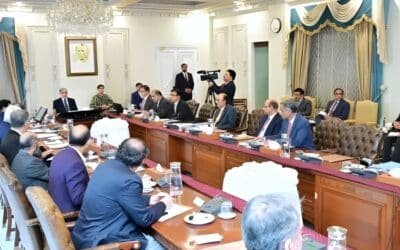
At a joint event held by UNESCO and the Ministry of Federal Education at the Islamabad Model College for Girls, Minister of State Wajiha Qamar described education as the “most powerful investment” for the nation.
UNESCO Representative Fuad Pashayev reminded the forum that Pakistan’s current “education emergency”—characterized by millions of out-of-school children—cannot be solved by top-down policy alone. He argued that students must be viewed as “co-creators” of the system to ensure that reforms are relevant to the modern world.
The Financial Scale: World Bank’s $26.4 Billion Role
Adding to the global perspective, the World Bank confirmed it remains the largest financier of education in the developing world. With a massive $26.4 billion portfolio across 81 countries, the bank currently supports 324 million students, with a growing focus on bridging the digital divide and enhancing foundational learning in countries like Pakistan.
Check out our latest video: