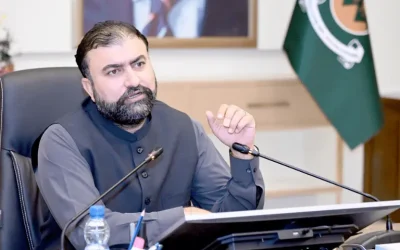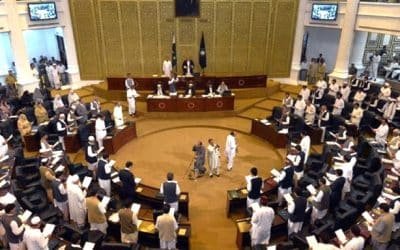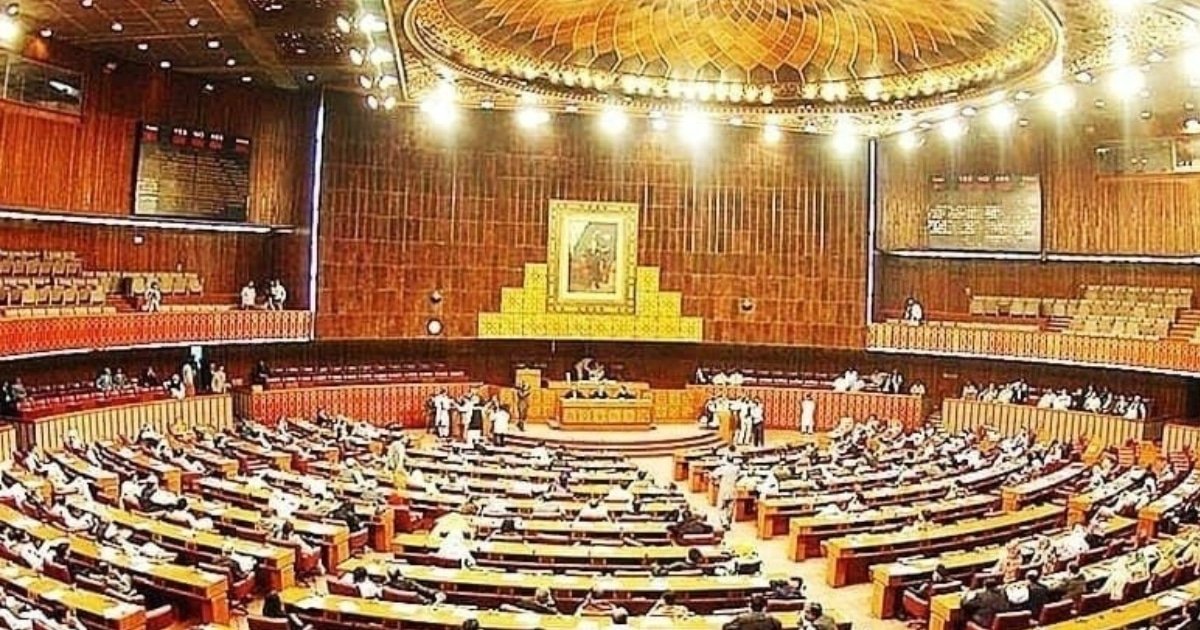



Speaking in the National Assembly, Qaiser strongly objected to the amendment to Section 138 of the Elections Act, which was approved a day earlier. He announced PTI’s complete dissociation from the legislation and urged the government to scrap it, arguing it undermines public trust in elected representatives.
Pakistan’s National Assembly has passed a new election amendment allowing MPs to withhold public disclosure of their assets for up to one year if publication poses a security risk to them or their families. The bill was presented by PPP MNA Shazia Marri.@NuktaPakistan pic.twitter.com/whF9VW5xyw
— Ali Hamza (@alihamzaisb) January 21, 2026
Key Highlights
- PTI opposes and seeks withdrawal of the Asset Secrecy Bill passed on Wednesday.
- Proposed change to Section 138: Allows Speaker/Chairman to exempt public publication of a member’s assets/liabilities for up to one year (renewable) if it poses a “serious threat” to life/safety — but full details must still be submitted confidentially to ECP.
- Existing law (Sections 137–138): MPs and provincial assembly members must declare assets (including spouses/dependent children) annually by Dec 31; ECP publishes them in the official gazette.
- House also passed Income Tax Third Amendment Bill 2025 to protect taxpayers and strengthen Alternate Dispute Resolution Committee.
- Seven new bills introduced, including National Anti-Money Laundering and Counter Financing of Terrorism Authority Bill, National Archives Amendment Bill 2026, and Abandoned Properties Management Amendment Bill 2026.
- Ministers highlight SIFC success: Billions in investments attracted across sectors via single-window facilitation, new investment/visa policies.
Under current rules, lawmakers’ asset declarations are publicly available to promote openness and prevent misuse of public office. The controversial proviso would let the Speaker or Senate Chairman grant confidentiality for security reasons — a provision PTI views as opening the door to reduced accountability.
Transparency at the Heart of Democracy
Pakistan’s democratic journey relies on trust between the people and their representatives. Public disclosure of assets helps citizens hold leaders accountable and ensures no one is above the law. PTI’s pushback reflects a broader demand for fairness — ordinary Pakistanis face full scrutiny in financial matters, so elected officials should lead by example rather than seek exemptions.
Other Key Developments in the Session
The National Assembly also approved the Income Tax Third Amendment Bill 2025, aimed at safeguarding taxpayers and improving dispute resolution. Ministers praised the Special Investment Facilitation Council (SIFC) for drawing billions in foreign investment through streamlined processes and policy reforms — a positive sign for economic recovery. Meanwhile, seven fresh bills were introduced for debate, covering anti-money laundering, national archives, and abandoned property management.
As Parliament debates these changes, the focus on transparency remains crucial for strengthening public confidence and building a more accountable system. PTI’s call for withdrawing the asset secrecy provision underscores the need for laws that unite rather than divide the nation in its pursuit of good governance.
Check out our latest video: